Last updated November 17, 2026

Free written scope consultation - allowances, timeline, and change-order rules on paper before a single trade is scheduled
How to Hire a Construction Contractor in The Hammocks: A Step-by-Step Guide
Most homeowners in The Hammocks think they’re hiring for carpentry, tile work, or shingle installation. They’re not. In this part of Miami-Dade County, you’re hiring for paperwork, code compliance, and dual-approval fluency first – and the actual trades second. A contractor can be fully licensed, do flawless work, and still leave you stuck if they’ve never navigated a Miami-Dade High-Velocity Hurricane Zone product approval or submitted a single package to your HOA’s architectural review committee. That gap is exactly where good projects go sideways, and it’s the part of contractor hiring that almost every generic guide skips.
This guide walks through what to verify, what to ask, and what to look for in a bid – specific to The Hammocks, its housing stock, its canal-side lots, and its community association rules. You’ll learn how to check a license in under two minutes, how to read a scope of work for the line items that turn into change orders, and how to spot the contractors who’ve never actually done a project inside a Hammocks community.
Quick Answer
To hire a construction contractor in The Hammocks, verify an active Miami-Dade County license for the specific scope (general, roofing, pool, or specialty), confirm general liability and workers’ compensation coverage, ask directly about HOA architectural review experience, and insist on a written line-item bid that names permits, inspections, and HOA filing steps. The right contractor asks about your lot position and association before quoting foundation or paver work – not after.
Styles & brands we work with
- Kitchen remodeling
- Bathroom remodeling
- Home additions & ADU
- Roofing
- Windows & doors
- Driveway & pavers
- Fence
Table of Contents
- Why The Hammocks Changes the Hiring Playbook
- Step 1: Verify the License Category That Actually Applies
- Step 2: Confirm Insurance the Right Way
- Step 3: Test for Real HOA Experience
- Step 4: How to Read a Bid for Missing Line Items
- Why the Lowest Bid Is Usually a Red Flag Here
- Red Flags Unique to The Hammocks
- Questions to Ask Before You Sign
Why The Hammocks Changes the Hiring Playbook
The Hammocks sits on the western edge of Miami-Dade, in a stretch of the county that gets hammered by summer downpours and sits squarely inside the High-Velocity Hurricane Zone for building code purposes. That combination drives everything: impact-rated window and door products, wind-load-rated roofing assemblies, drainage design for pavers and driveways, and foundation considerations for lots that sit near the canal system versus those on interior streets.
Then there’s the HOA layer. A large share of The Hammocks’ housing was built in planned communities with architectural review committees. These committees approve paint colors, fence heights and materials, paver styles, window frames, roof colors, and even the sightline of a new addition from the street. A contractor who’s only worked in unincorporated areas or older Miami neighborhoods won’t know that a material perfectly legal under county code can be rejected by a review board.
So hiring here means evaluating three things at once:
- Code competence – Miami-Dade product approvals, permit paths, and inspection sequences for the specific scope.
- Association literacy – knowing what an architectural review submission requires and building that timeline into the schedule.
- Material fluency – understanding what your community allows and what performs in this climate before quoting.
A contractor strong on one and weak on the others is a partial hire. The full package is what protects your investment.
Step 1: Verify the License Category That Actually Applies
Here’s where most homeowners get it wrong. They check that a contractor is “licensed” and stop. But Florida licenses are category-specific, and the category must match the work. A roofing license doesn’t cover a kitchen remodel. A general building contractor license doesn’t automatically cover a pool. A handyman with no license can legally do only small jobs under the threshold the state sets.
For The Hammocks projects, match the license to the scope:
- Certified or registered general contractor – whole-home remodels, structural work, additions, and ADU construction where the project involves multiple trades.
- Roofing contractor – full roof replacements, re-roofs, and roof structure repairs.
- Specialty contractor – windows and doors, fencing, pavers, and finishes, each under its own licensed classification in Florida.
- Pool contractor – new pools, resurfacing, and equipment, which require their own state class.
How to verify in under two minutes:
- Ask for the contractor’s license number in writing before any site visit.
- Look up the license in the Florida DBPR licensing database (for state-certified contractors) or the Miami-Dade County contractor licensing records (for locally registered ones).
- Confirm the license status is active, not expired or suspended.
- Confirm the scope shown on the license covers what you’re hiring for.
- Check the name on the license matches the name on the contract and the company’s business records.
If any of those five things doesn’t line up – walk. A licensed-but-wrong-category contractor can complete work you’ll later have to tear out to close out a permit, and that’s a two-time payment you never budgeted for.
Step 2: Confirm Insurance the Right Way
A certificate of insurance is a starting point, not proof. Any contractor can email one. What matters is whether the policy is current, whether it names the actual scope of your project, and whether it covers the people who will be on your property.
You want to see two policies:
- General liability insurance – covers damage to your home or a neighbor’s property. Confirm the limits in writing.
- Workers’ compensation insurance – covers injuries on the job. Without it, an injured worker could look to your homeowner’s policy. Ask for the certificate to be sent directly from the insurance agent, not forwarded by the contractor.
Also ask whether subcontractors carry their own coverage. On larger The Hammocks jobs – additions, roof replacements, kitchen remodels – multiple trades arrive on site. A primary contractor without verified sub coverage is essentially passing risk to you. Insured-and-bonded status is one of the fastest ways to tell a professional operation from an eager one, and it’s worth the two phone calls to confirm.
Insist on a written line-item contract with the scope, materials by name, permit and inspection responsibility, and payment schedule. Estimates should be free, and the written estimate sets the final price – not a verbal ballpark.
Step 3: Test for Real HOA Experience
This is the filter most guides miss, and the one that separates a contractor who’s actually built inside The Hammocks from one who’s just driven through it. Community associations here review and approve exterior changes before work starts. Approvals involve a submission package, committee turnaround, sometimes a neighbor-notice period, and a written approval you may need for the county permit file.
Ask these questions, and listen for the shape of the answers:
- “What HOA architectural review documents do you prepare for a project like mine?” A competent answer names a submission form, a site or elevation plan, a product spec sheet (often with a photo or sample), and an approval letter you’ll keep in your file.
- “Have you handled a rejection and resubmission?” The good ones have and can describe the fix – a different fence height, a roofing color, a window frame tone.
- “Which The Hammocks communities have you submitted to?” Vague answers here often mean the contractor is depending on you to run the review process. Word the questions so the answer reveals whether they’ve actually done it.
- “How do you handle the review timeline in your schedule?” A contractor who hasn’t planned for it will tell you it’s “quick.” A contractor who has will build lead time into the estimate.
When we quote material, we also check community restrictions – paver styles and colors, fence materials and heights, roofing profiles – before we commit to a product. The reason is simple: you shouldn’t discover a material issue at the review committee when you planned for it at the estimate.
If you want to start the conversation with a contractor who understands this dual-track approval process, you can The Hammocks Construction as your starting point and ask the questions above directly.
Step 4: How to Read a Bid for Missing Line Items
A bid that looks clean on the surface can hide costs that return as change orders mid-project. The reliable way to protect yourself is to check that the bid covers the fixed costs every project in The Hammocks carries. If you don’t see them, they’re still coming – they just arrive as a change order once the work is underway, and usually at a moment when you can’t say no.
Read every bid for these line items, and insist on a written line-item scope:
- Permit fees and permit pulling responsibility – who applies, who pays, and whether the cost sits in the bid or is “TBD after permit.”
- Inspection scheduling – Miami-Dade’s inspection sequence has required milestones for most scopes; who books them and who’s responsible for re-inspection fees if work fails.
- HOA architectural review submission – the paperwork prep, any filing fee, and the review timeline block.
- Product approval documentation – Miami-Dade product control numbers for windows, doors, roofing, and impact products, listed by brand and model.
- Final inspection and certificate of occupancy or completion – especially for additions and ADUs, where a final CO is required before you can legally occupy the space.
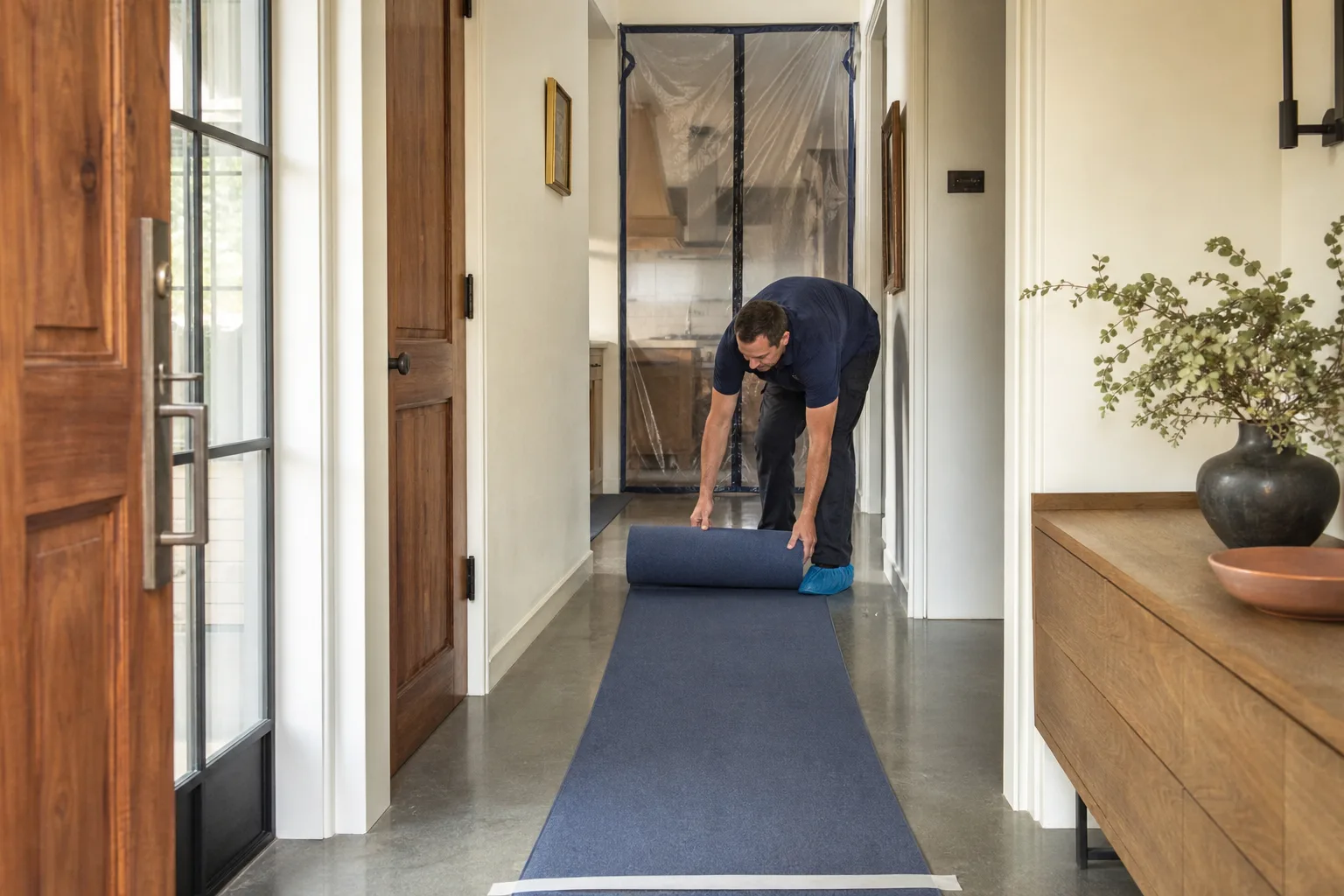
- Site protection and cleanup – dumpsters, haul-off, and yard protection, especially for paver and driveway work where trucks cross finished surfaces.
- Change-order language – the rate structure and written approval process for anything outside the original scope. If the bid doesn’t include one, ask why.
A bid missing two or three of these is not necessarily a bad contractor – but it is a bid you can’t compare fairly against another. Equalized, both bids should name the same categories of cost.
Why the Lowest Bid Is Usually a Red Flag Here
In a market where contractors don’t have to touch the HOA process or handle product approvals, the overhead is lean. Bids come in lower because the work is simpler. In The Hammocks, the dual-approval cost is real, and it lands in three places: the design and documentation, the review timeline, and the inspection management. A contractor unfamiliar with that reality will leave those out of the bid, because they don’t know they exist.
The result is the pattern most homeowners learn the hard way: a low bid that ends with a series of change orders covering the very line items the bid skipped. By the time the change orders land, the project is committed and the review is already done. You’re paying twice – once for the initial vision and again to fix what a more experienced contractor would have built correctly the first time.
The lowest bid is also usually low for a quieter reason. Contractors who work across many communities negotiate material pricing through established supplier relationships. In our trade, the contractor relationships you want are the ones with the material manufacturers themselves – the ones with GAF, CertainTeed, and Owens Corning on the roofing side, Cambria, Caesarstone, and Silestone on quartz surfaces, or Belgard, Unilock, and Techo-Bloc for pavers – because they carry real access to spec support and warranty tiers. A fly-by-night operator buys from the cheapest local source and charges you for it in poor fit and long-term performance.
Red Flags Unique to The Hammocks
Some warning signs are universal – no written contract, pressure to pay in full up front, no license number. Others are specific to The Hammocks, and a homeowner who knows them avoids the majority of hiring headaches.
- No questions about lot position. Canal-front, canal-adjacent, and interior lots behave differently under foundation and paver work. Drainage, water table, and fill all shift. A contractor who quotes driveway pavers or a foundation without asking about the lot is quoting a job they haven’t seen clearly.
- No mention of the High-Velocity Hurricane Zone. Every window, door, and roofing product on an exterior scope in The Hammocks has a product approval requirement. A bid without product control numbers attached to the specific brands and models is a bid you’ll have to chase.
- No reference to community architectural review. If the contractor doesn’t bring up your HOA in the first meeting, they don’t plan for it.
- One-size-fits-all material quotes. The Hammocks’ associations vary on what’s acceptable. A contractor pitching a single paver style for every community hasn’t worked inside those communities.
- No proof of subs’ insurance. Larger jobs use multiple trades. Ask for the sub coverage before work starts.
- No written change-order procedure. Verbal approvals are how surprise invoices happen.
- Unwillingness to put material brand names in writing. Brand transparency is your best leverage. A bid that names the manufacturer and model means you can compare properly. A bid that says “standard impact glass” is a bid you can’t defend.
For a view of how a brand-transparent scope actually looks, a good side reference is how a driveway & pavers proposal names the supplier, the paver family, and the color, rather than describing the finish in adjectives.
Questions to Ask Before You Sign
These are the questions that separate a contractor who’s done this in The Hammocks from one who hasn’t. Bring them to every bid meeting, and take notes on the answers.
- What’s your license number, category, and current status? Verify it against the Miami-Dade or state database before signing.
- Can you send me certificates of insurance directly from your agent? General liability plus workers’ comp, with any subs listed.
- What’s your process for HOA architectural review? Ask for the documents they prepare and how the timeline runs.
- Which Miami-Dade product approvals cover the materials in this scope? Get the product control numbers in writing.
- Who pulls the permit and who schedules inspections? It should be in the bid, not on you.
- What are your change-order terms? Get them in writing before work starts.
- What brands and models are specified in your bid, and can you show me the alternatives? A contractor with real supplier relationships can offer genuine choices.
- How do you sequence a project like mine, and what are the review and inspection milestones? The answer shows whether they’ve actually run this playbook.
- What warranty applies to labor and to the materials? Name the tiers – manufacturer, installer, and workmanship.
- Who’s my point of contact during the project? The right answer is a named role within the company, not a personal cell that goes dark mid-build.
The pattern that emerges from those ten answers is the thing you’re really evaluating. A contractor who answers cleanly on every one is a contractor you can trust with the scope you’ve been saving for.
If the project is a larger addition or ADU, one more layer applies – the ADU scope is where code, structural planning, and HOA approvals all meet at once, and it’s where experience shows the fastest. You can read more about how that plays out in home additions & ADU work before you start interviewing.
How to Read a Full-Scope Bid That Rings True
Once you’ve asked the questions, the bid itself is the final test. A full-scope bid is one where a single decision doesn’t ripple into a second contractor’s quote, and where the material choices are transparent enough to compare.
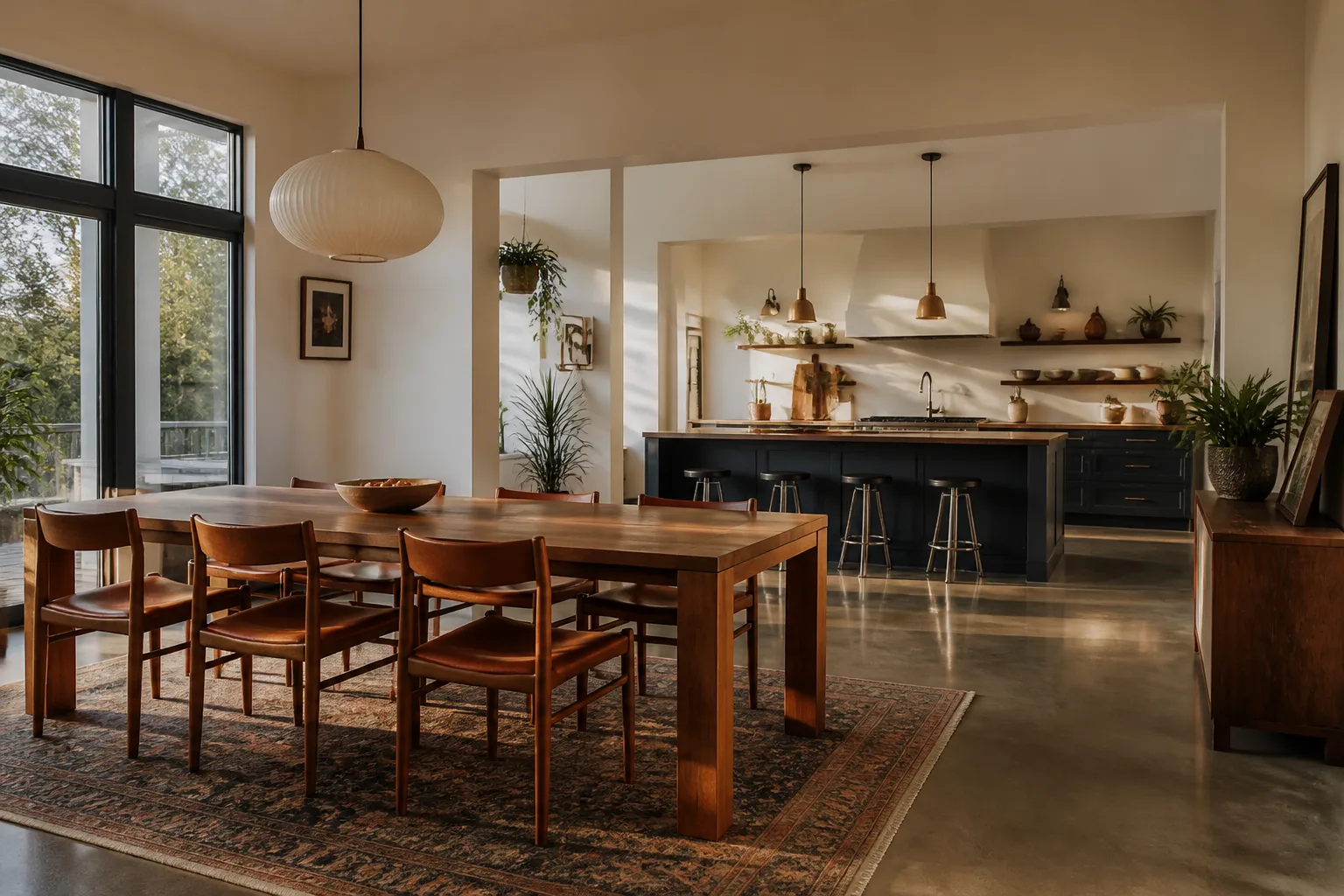
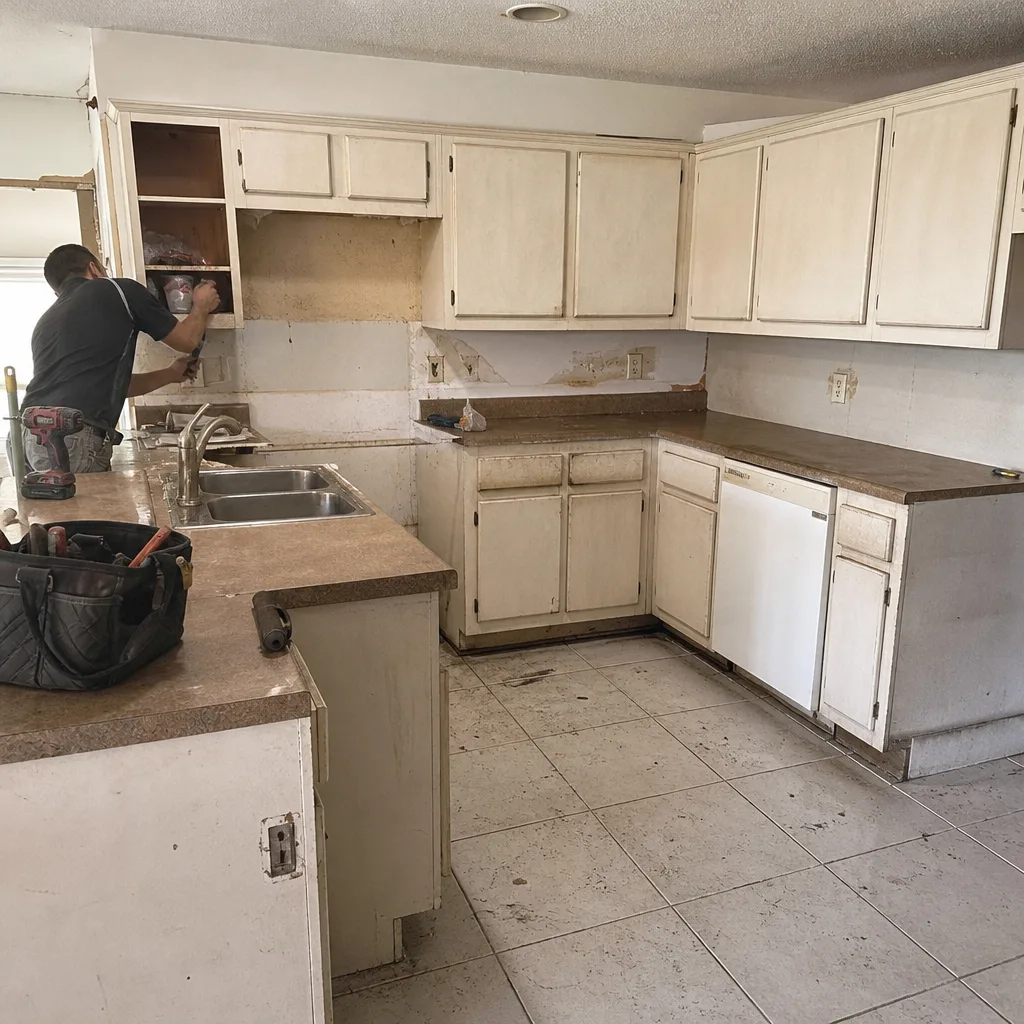
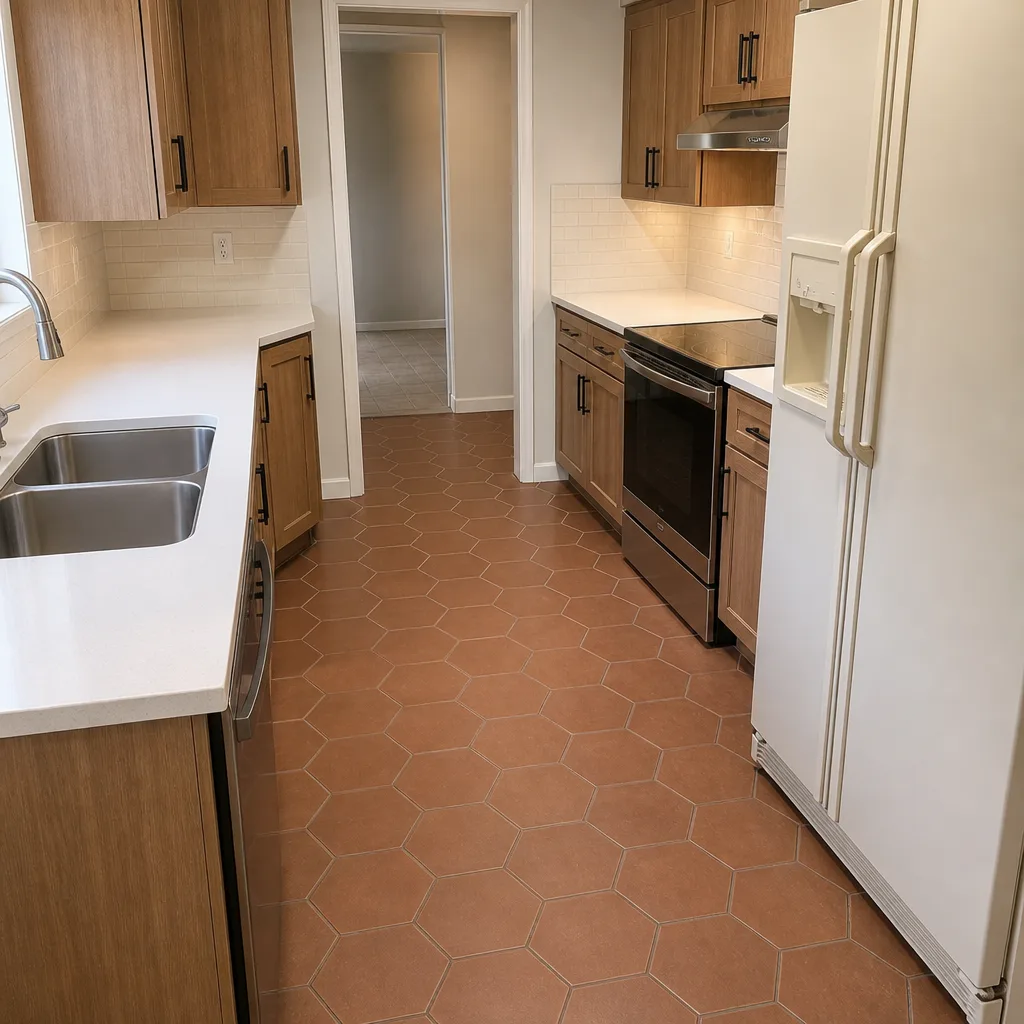
Take kitchen remodeling, for example. A well-structured bid names the cabinet line (KraftMaid or Wellborn, for instance), the countertop surface (Cambria, Caesarstone, or Silestone quartz, listed by colorway), the fixtures (Kohler, Grohe, Toto, or Moen by model), and the schedule for demolition, rough-in, inspection, and finish. Every line is checkable. You can compare two bids line by line because both name the same things.
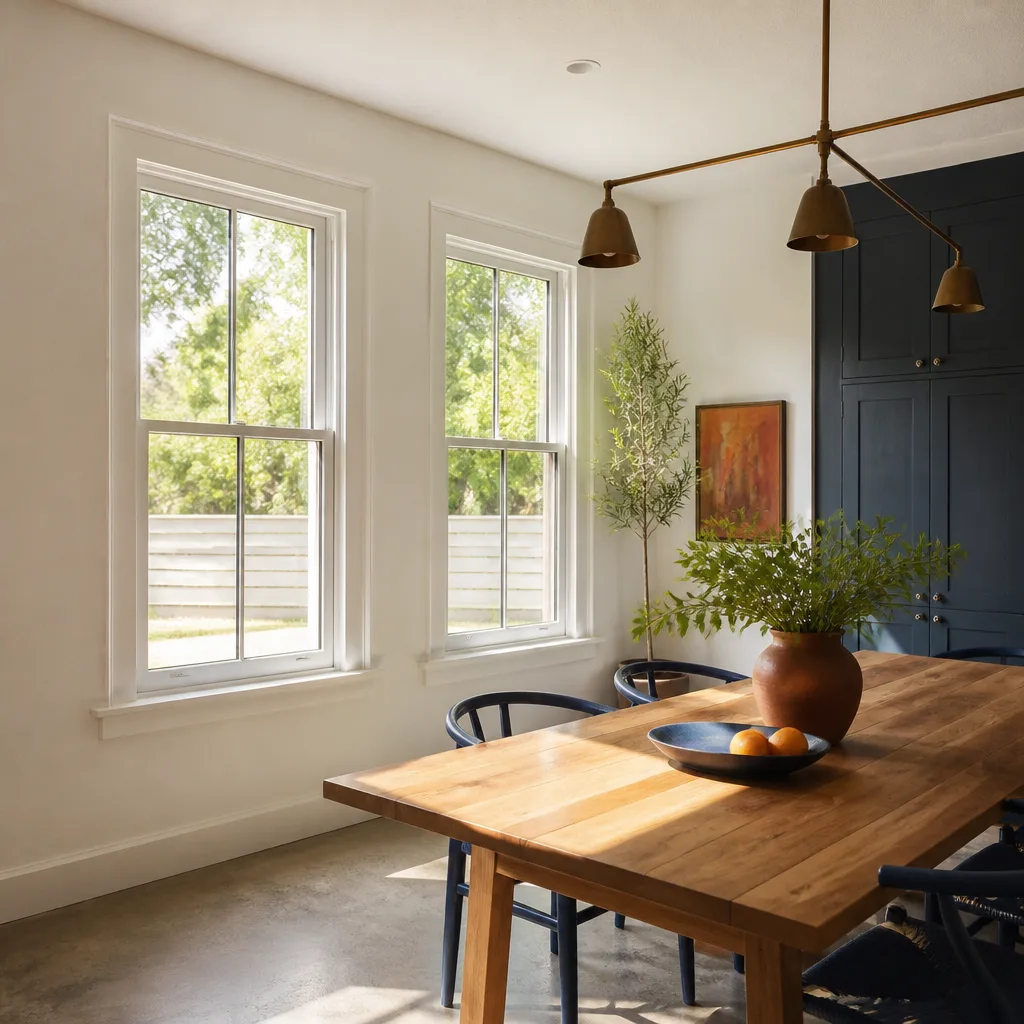
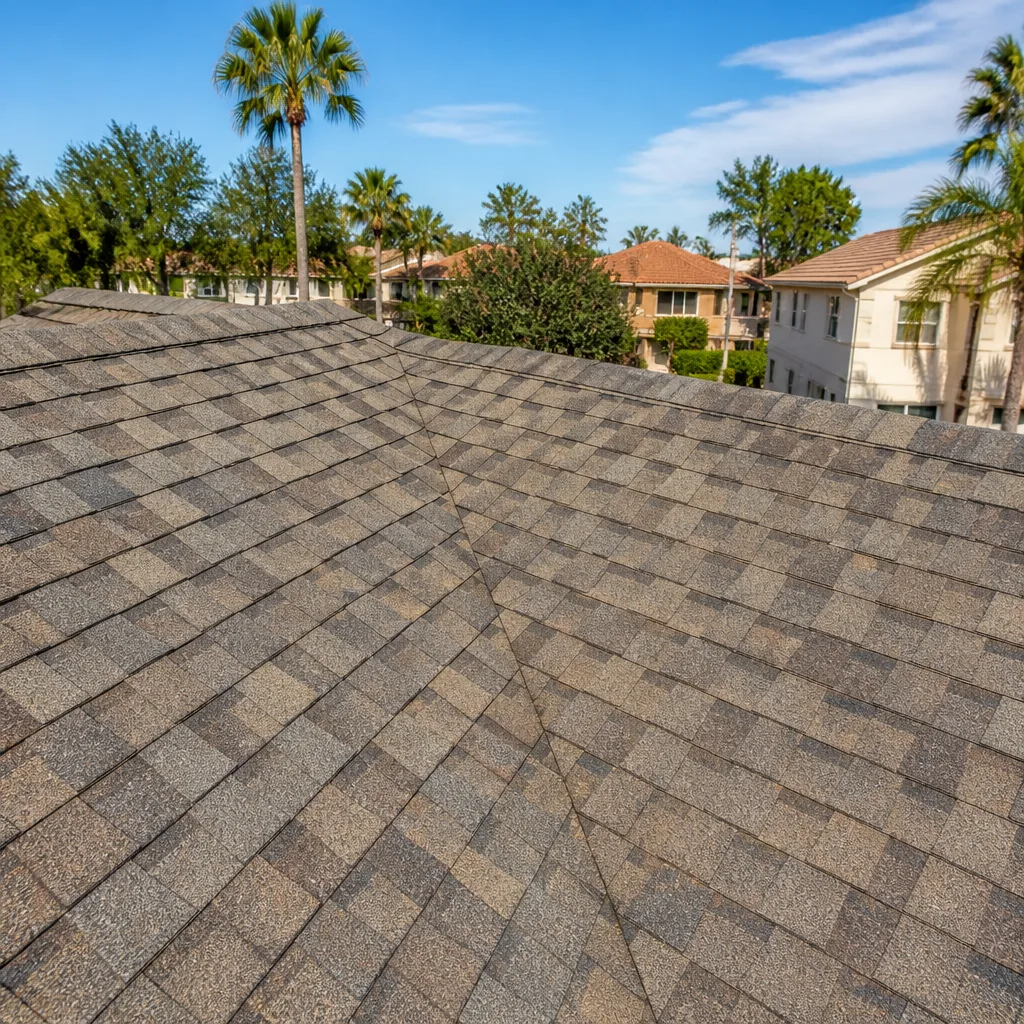
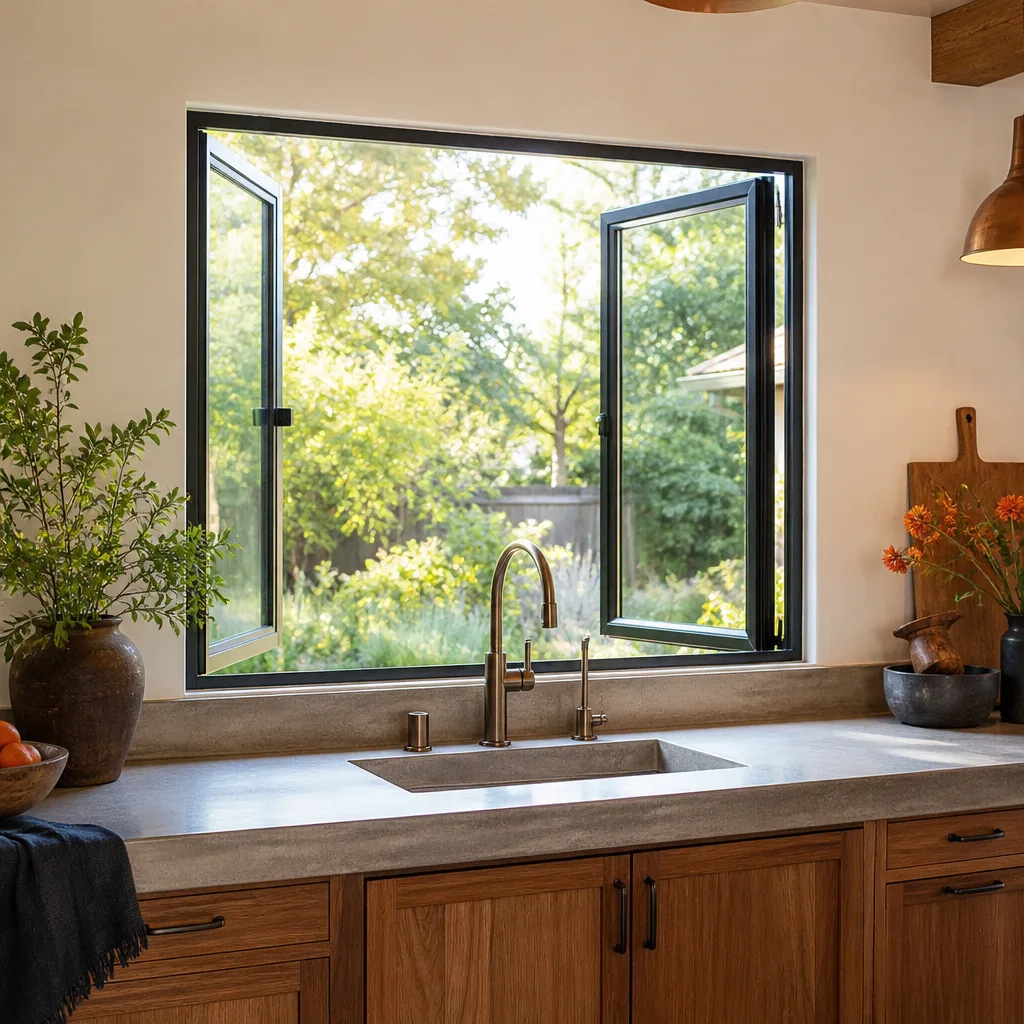
The same goes for exterior scopes. A window bid that specifies the product family and the Miami-Dade approval for each unit – whether it’s CGI, CWS, ES Windows, or ECO Window Systems for impact-rated glazing – is a bid you can defend if the review committee or the inspector asks a question. A bid that just says “impact windows and doors” cannot be compared to anything.
We build bids this way because material transparency is the whole point of hiring a contractor who carries the roster. The homeowner’s leverage is in choosing, and that choice only exists if the bid is written in specifics. One contractor from the driveway to the roofline isn’t a slogan – it’s the scope structure that makes a bid legible in the first place.
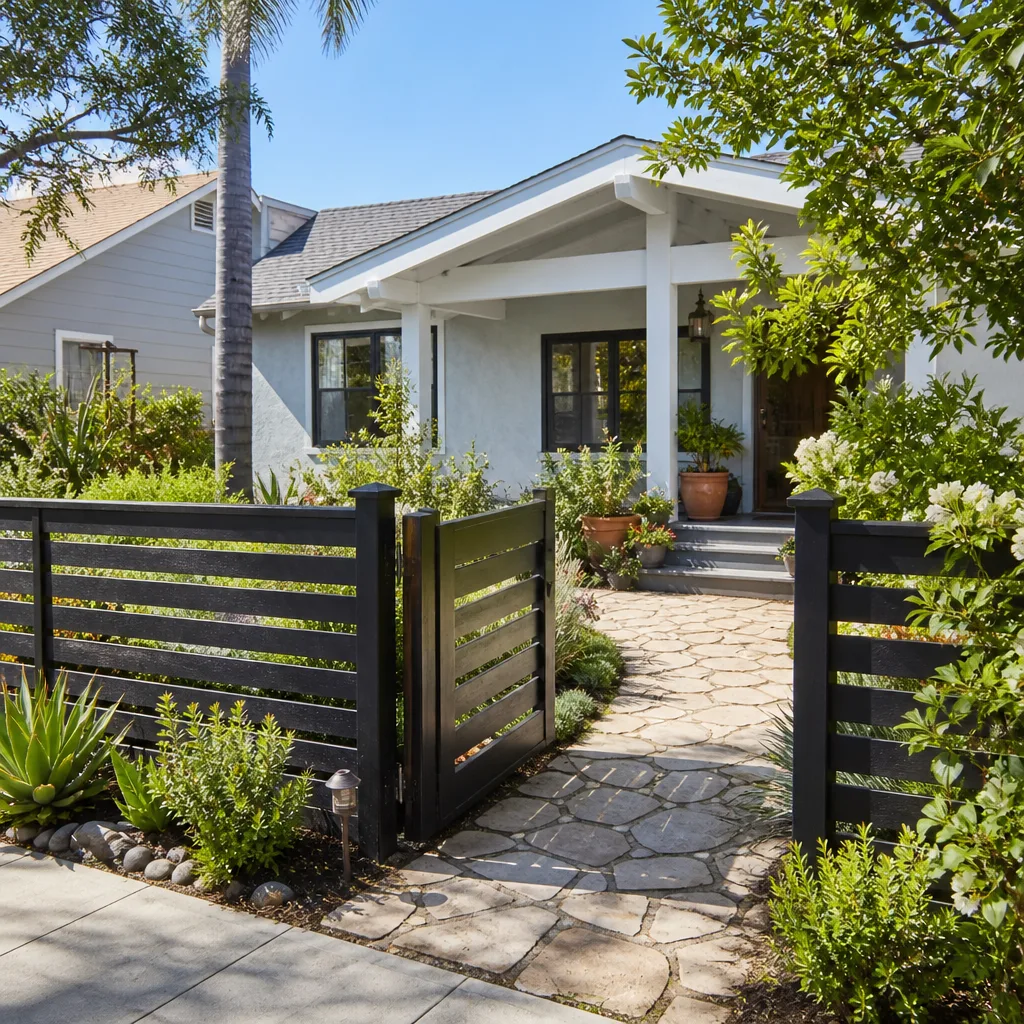
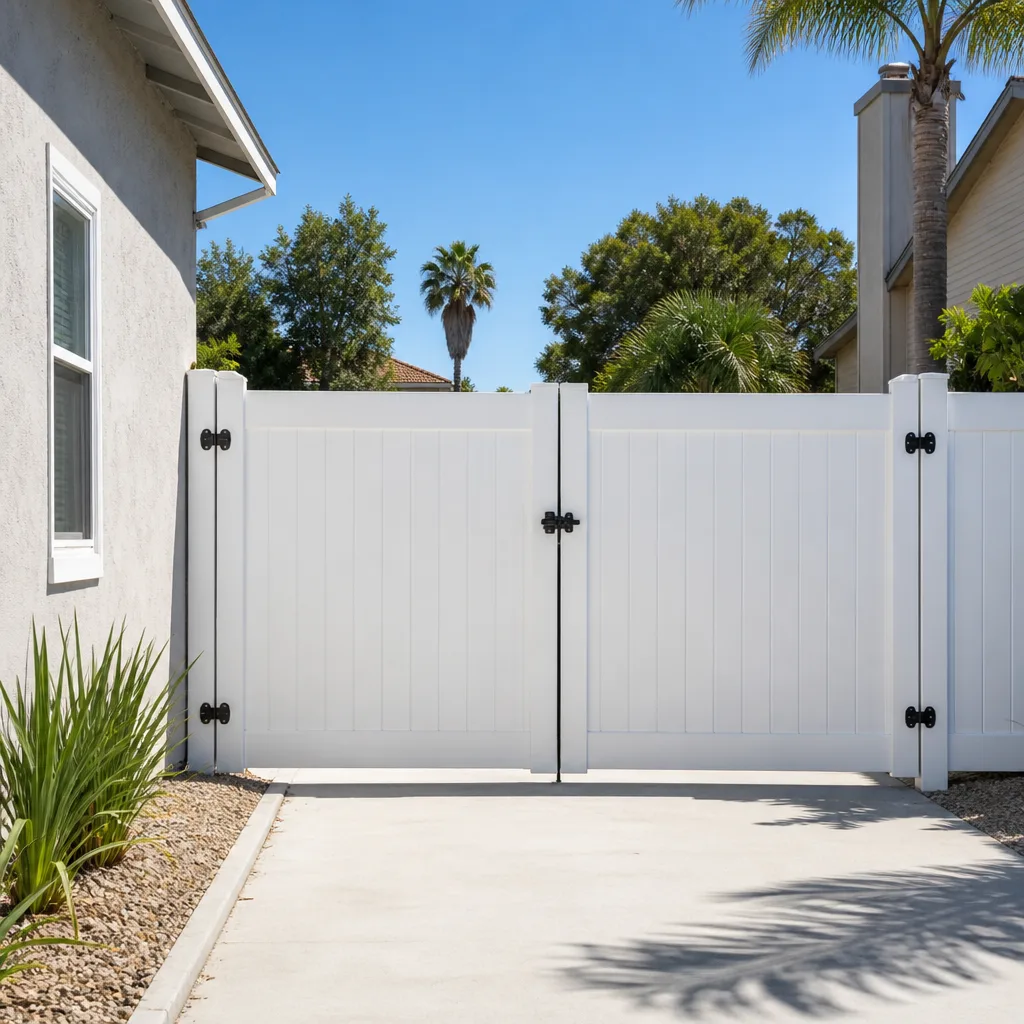
Fence work follows the same logic. A fence bid that names the manufacturer – Master Halco or Ameristar, for example – alongside the height, style, and community restriction check, is a bid that survives the architectural review process. A blank-fence bid is one that gets rejected or reordered at your expense. You can see how a proper exterior scope reads on the fence installation side of the business.
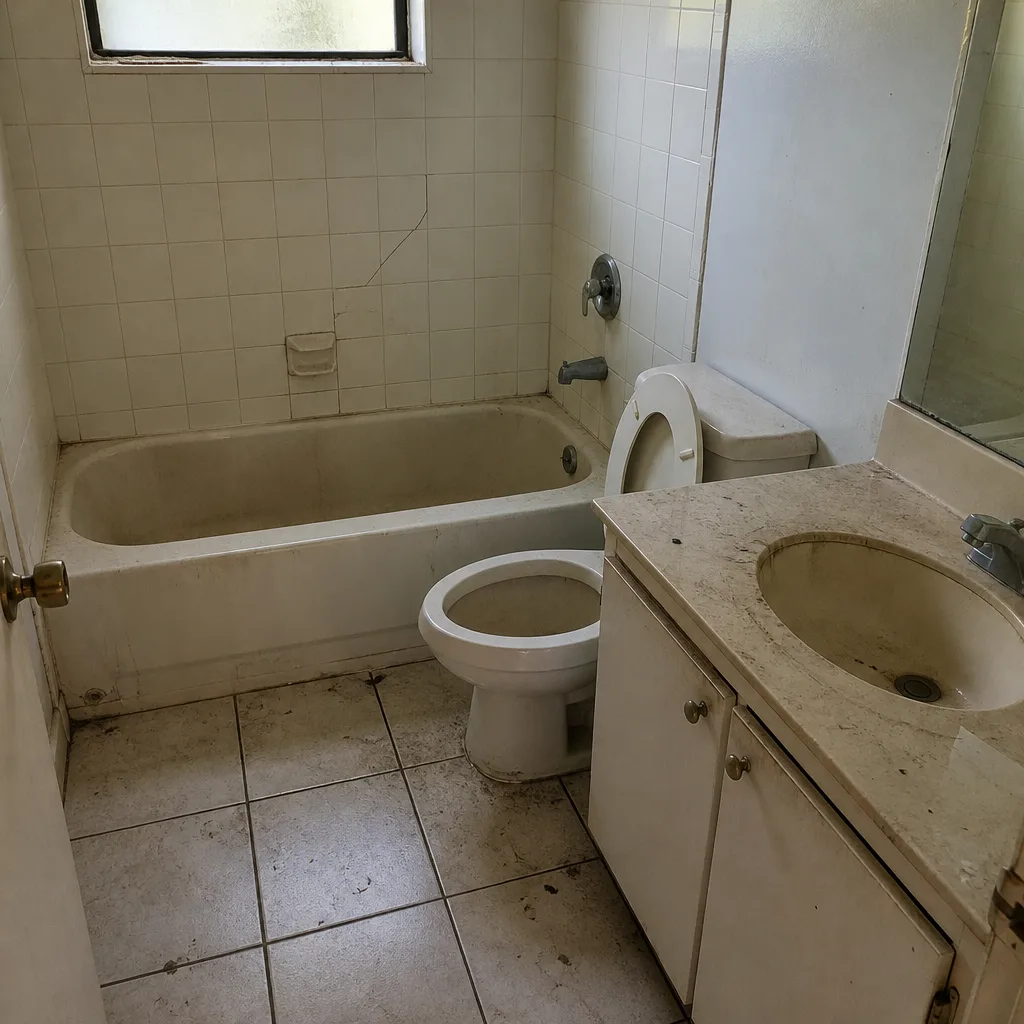
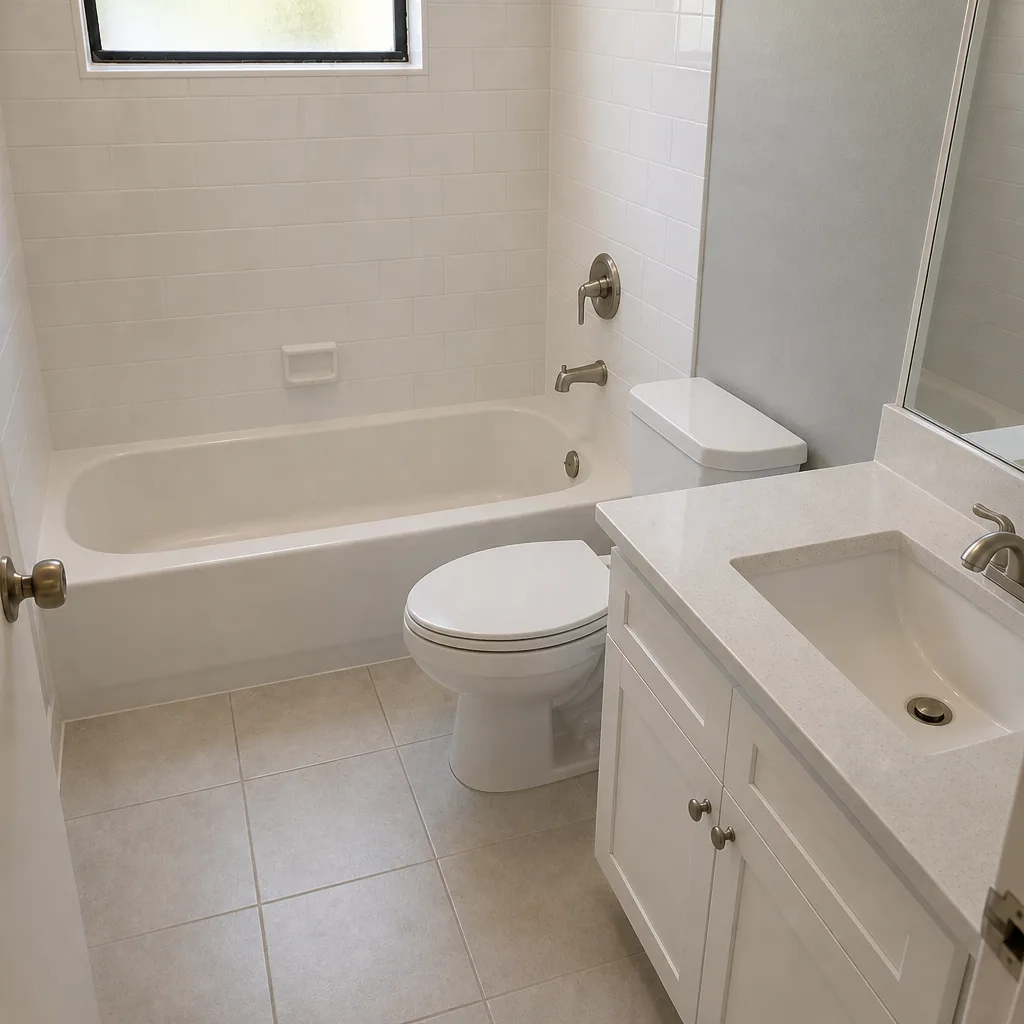
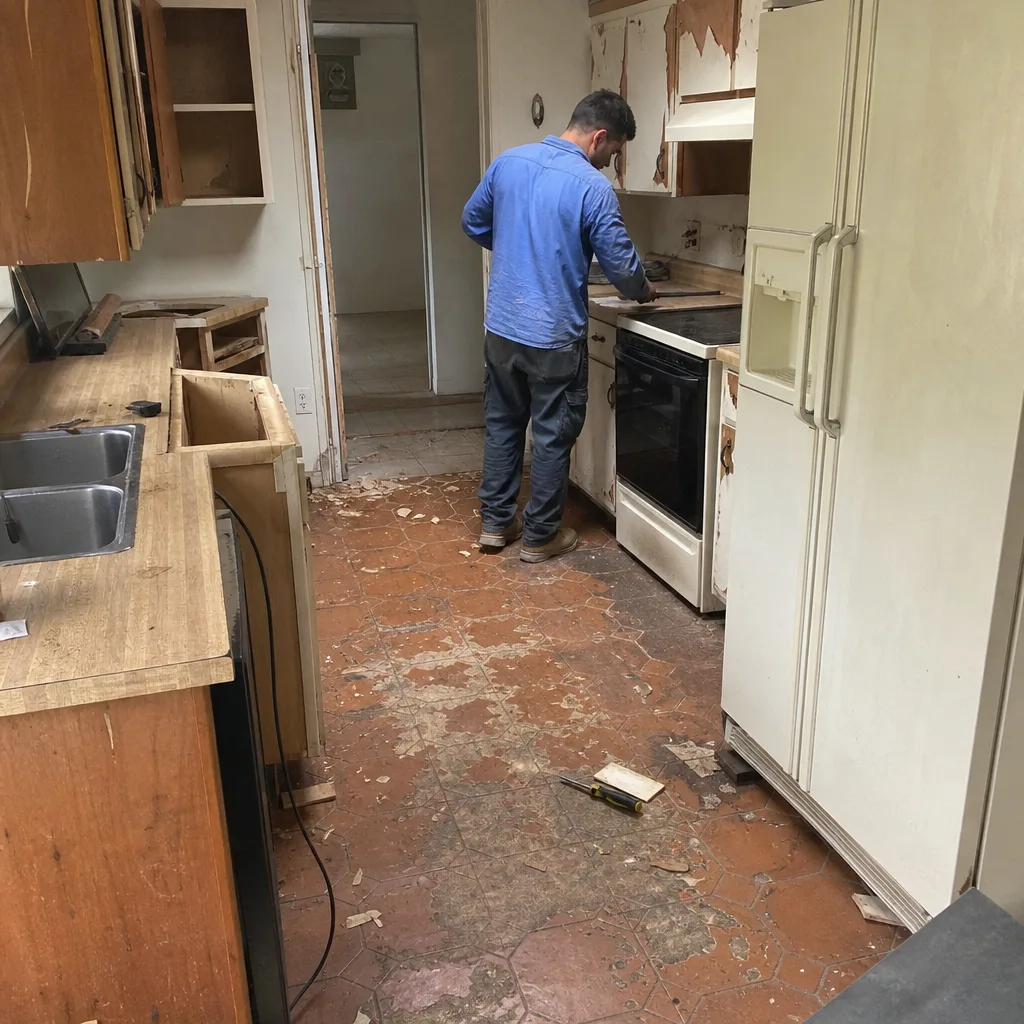
See the difference
 Before
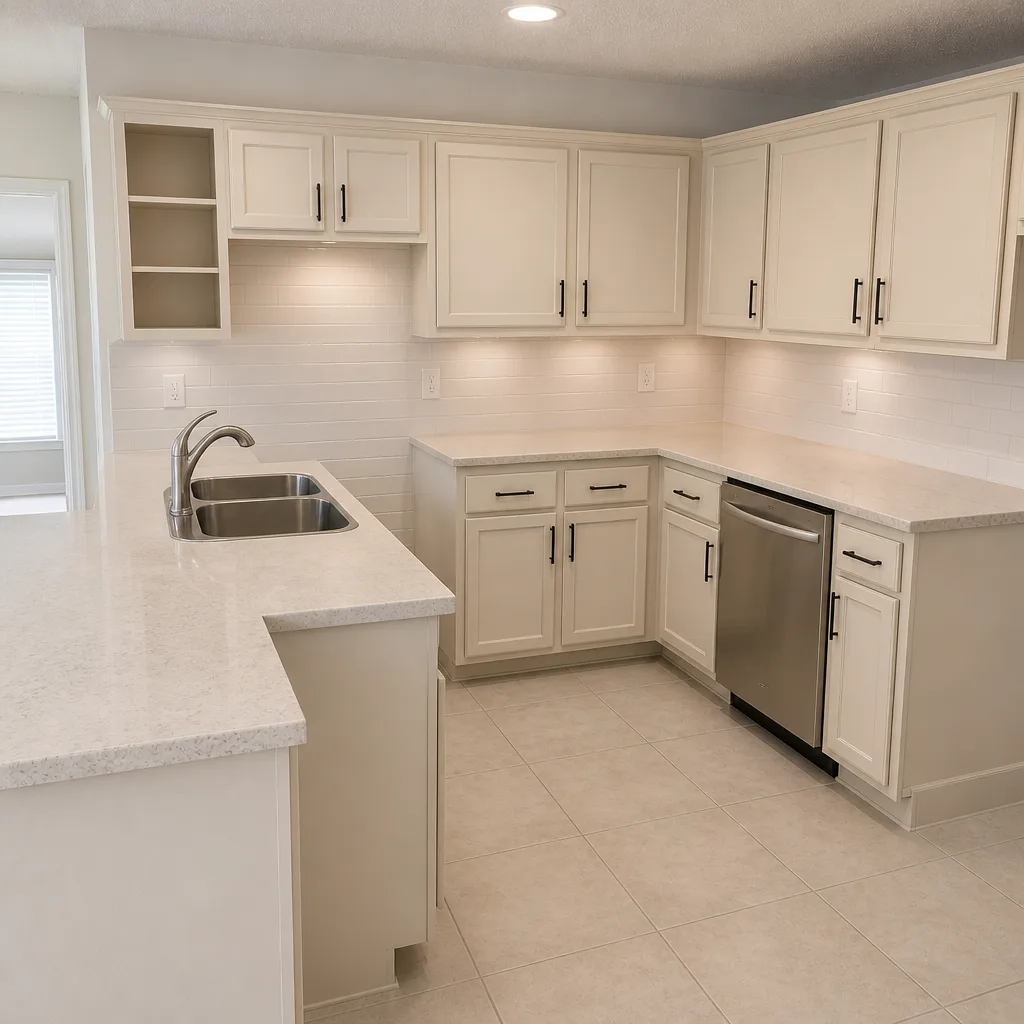 After
 Before
 After
 Before
 After
Common Mistakes to Avoid
- Comparing bids on price alone. A clean per-square-foot number across two bids means nothing if one includes permits, inspections, and HOA filing and the other leaves them out. Equalize the scope first, then compare.
- Skipping the license category check. “Licensed” is not the same as “licensed for this scope,” and a wrong-category contractor can leave you with work that fails final inspection.
- Assuming the contractor handles your HOA. Some do, some don’t, and some say they do but have never actually submitted a package. Ask for the process, not the promise.
- Ignoring lot position in the conversation. In The Hammocks, canal-adjacent and interior lots can behave differently under foundations, driveways, and drainage. A contractor who doesn’t ask is quoting blind.
- Skipping written change-order terms. In a project with dual approvals, scope adjustments are common. Without a written process, verbal “quick fixes” become invoices.
- Accepting a verbal quote. Free estimates are standard, and a written line-item estimate is the only document that sets your price. Turn down any job that only exists in a text thread.
- Not verifying subs’ insurance. The primary contractor’s policy doesn’t automatically cover a sub’s workers on your property. Ask for sub certificates before work begins.
- Letting the brand names disappear before signing. The bid you sign should name materials by manufacturer and model. If those specific names showed up during the sales conversation but vanished from the contract, walk.
When to Call a Professional
Some projects genuinely fall into handyman territory – patching a fence board, swapping a fixture, touching up paint. But the moment a project steps into permit, inspection, or structural change, the calculation shifts. If the scope requires a Miami-Dade permit, an inspection sequence, or an HOA architectural review, a licensed contractor isn’t an optional upgrade – it’s how the work gets completed legally and how it holds up when the home is eventually sold or insured.
Common situations in The Hammocks where a professional belongs on the job from the start:
- A window, door, or roof replacement where impact-rated product approval is required.
- Any addition, ADU, or structural change requiring a permit and final inspection.
- A kitchen or bathroom remodel where plumbing, electrical, or structural trades are involved.
- A driveway, paver, or fence project inside a community with architectural review.
- Foundation or drainage work on a canal-adjacent lot.
The Hammocks Construction offers free estimates in The Hammocks. Call (844) 797-9354. We answer 24/7. Fast dispatch from 7am to 7pm, Sunday through Friday.
Frequently Asked Questions
There’s no set price – costs are per job, based on scope, materials, and the permit and review requirements your project triggers. Every credible contractor in The Hammocks will offer a free estimate and a written line-item quote; the written estimate sets the final price. Call (844) 797-9354 for an exact quote – estimates are free.
Ask for the license number in writing, then verify it in the Florida DBPR licensing database for state-certified contractors or in Miami-Dade County’s contractor records for locally registered ones. Confirm the status is active and the license category covers the scope – roofing, general, specialty, or pool – before work starts. Call (844) 797-9354 to schedule your free estimate.
In most communities here, yes. County approval and architectural review are two separate tracks – a community can reject a material or design that’s perfectly legal under Miami-Dade code. Get the review committee’s sign-off in writing before ordering materials. For help aligning the project scope with review requirements, call (844) 797-9354 and we’ll walk through it with you.
Not if the scope was written correctly. A proper bid names permits, inspections, HOA filing, and materials by manufacturer and model up front, so the written estimate sets the final price. Change orders should only apply to scope changes you approve in writing. Call (844) 797-9354 for a free line-item estimate.
Yes – permit pulling and inspection scheduling belong in the bid, not in your hands. Any contractor who leaves that to you is a contractor who hasn’t thought through the sequence. Ask for it in writing, and expect the product approval numbers listed for every Miami-Dade-regulated item on the scope. Call (844) 797-9354 to schedule your free estimate.
The timeline depends on scope, but community architectural review and Miami-Dade inspection milestones both add lead time that a well-written estimate will include. Ask the contractor to list review and inspection windows in the schedule, then compare across bids as apples to apples. Call (844) 797-9354 for a scope-and-timeline estimate on your project.
Yes, but experience inside The Hammocks communities matters. A contractor from outside the area may be excellent at the trades while unfamiliar with local community restrictions, canal-lot foundation considerations, and typical review-board timelines. Ask specifically which The Hammocks communities they’ve submitted to and how they handle canal versus interior lots before you sign.
Ask again, in writing. A bid that says “standard impact glass” instead of naming a product family and its Miami-Dade approval – or “paver driveway” instead of naming the supplier and color – is a bid you can’t compare or defend. If the contractor won’t name specifics, that’s a signal about the rest of the project. Call (844) 797-9354 if you want to see how a fully named bid reads.
The Bottom Line
Hiring a contractor in The Hammocks is a compliance decision as much as a construction one. The right contractor carries an active license in the correct category, has current liability and workers’ comp coverage, has genuinely run HOA architectural review in local communities, and writes a bid that names every permit, inspection, and material by manufacturer and model. The lowest number on the page almost always reflects missing line items, not efficiency. Matching the scope to a contractor who knows both tracks – county code and community review – is the difference between a project that closes out cleanly and one that pays for the same work twice. If you want a written line-item estimate from a team that plans for both, call (844) 797-9354. We answer 24/7. Fast dispatch from 7am to 7pm, Sunday through Friday.
Written by the team at The Hammocks Construction.