Last updated November 17, 2026

Free written scope consultation - allowances, timeline, and change-order rules on paper before a single trade is scheduled
Choosing the Right Construction Brand: A Buyer’s Guide for The Hammocks
You can tear a page out of a home improvement flyer, hand it to a contractor, and end up holding a product that cannot legally be installed in The Hammocks. Not because the brand is cheap. Not because the shingle or door is badly made. Because the product has no Miami-Dade Notice of Acceptance, and in the High Velocity Hurricane Zone that approval decides whether the installation passes inspection at all. Brand recognition means nothing if the paperwork isn’t there. This guide walks through how the NOA system works, how to verify any product before you specify it, which categories carry the most risk, and why the contractor’s brand roster matters as much as the brand name on the box.
Quick Answer
In The Hammocks, the right construction brand is the one that holds a current Miami-Dade Notice of Acceptance for the exact model and installation method your project uses, not the one with the biggest advertising budget. Verify the product in Miami-Dade’s public NOA database before you commit, and choose a contractor who carries several approved brands in each category. A broad, compliant roster is what keeps your project legal when one product line runs short.
Styles & brands we work with
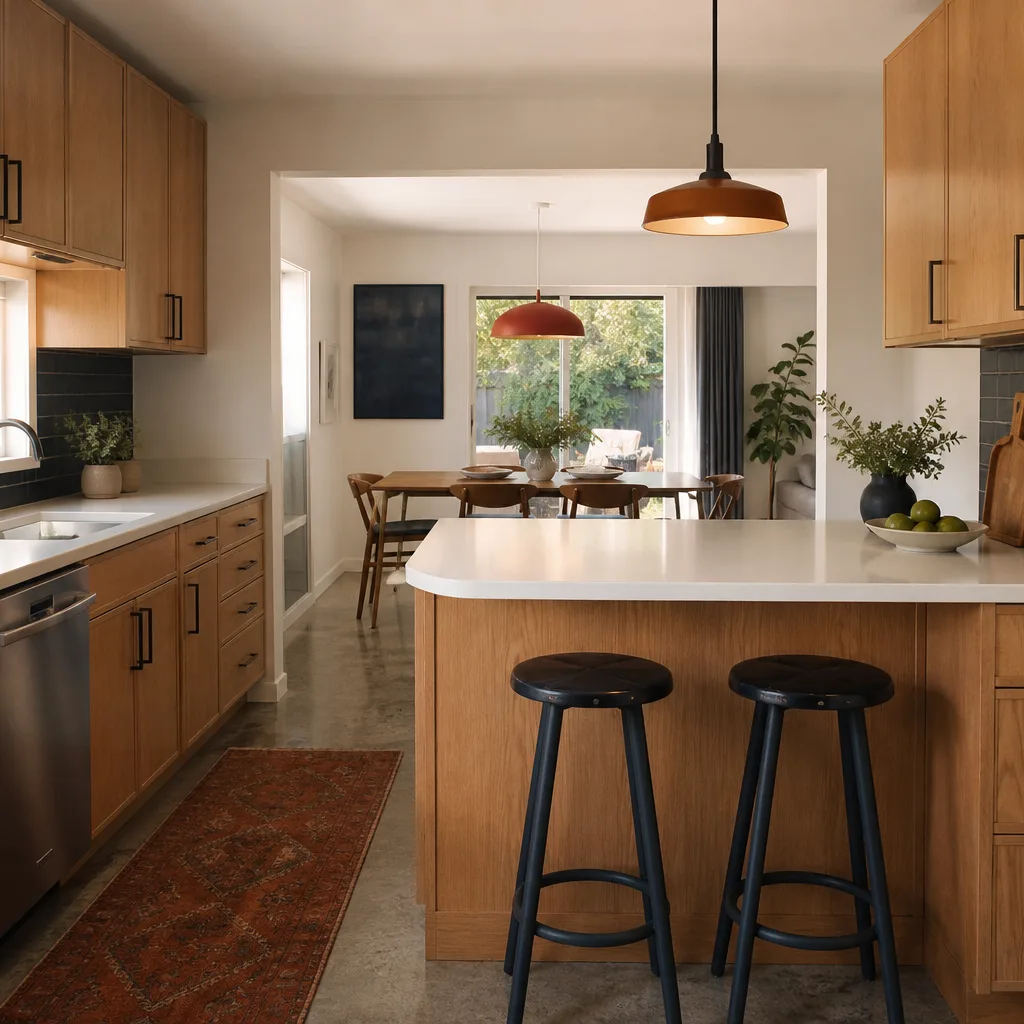
- Kitchen remodeling
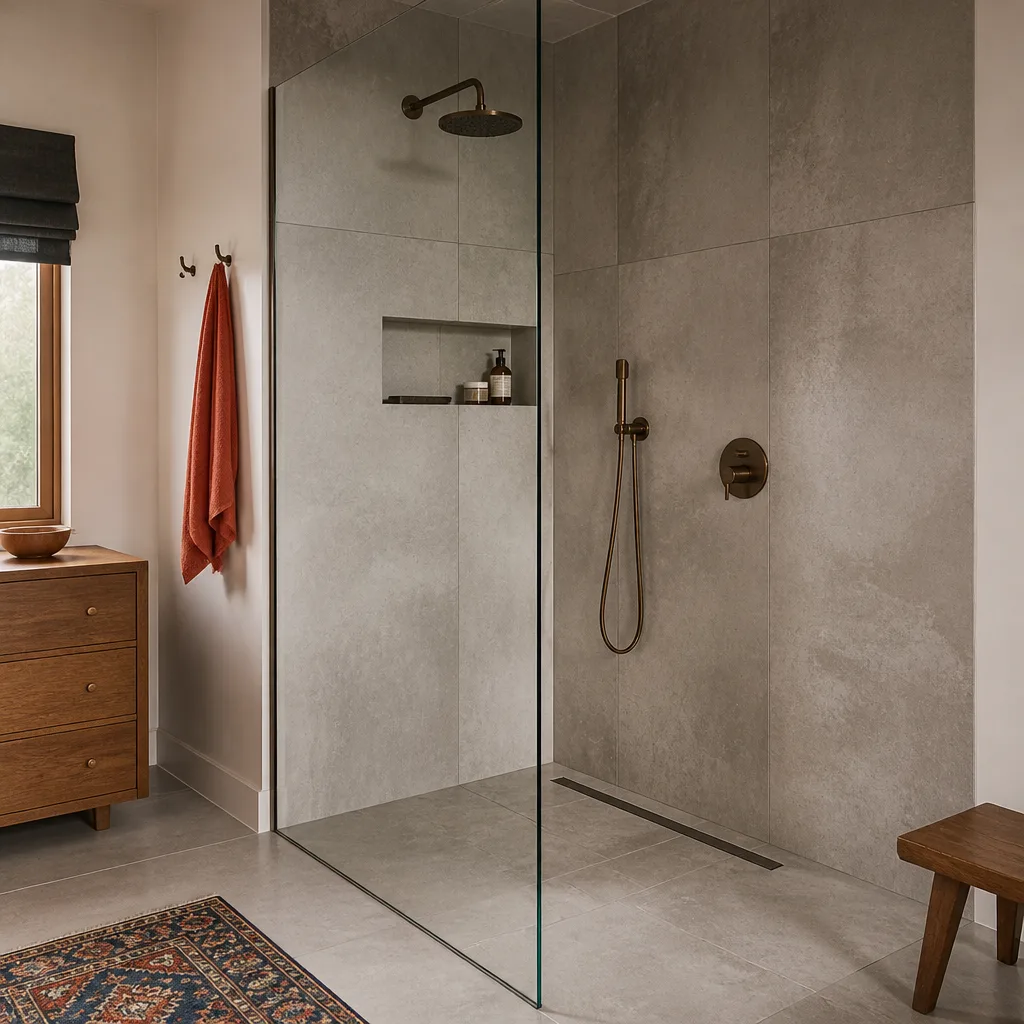
- Bathroom remodeling
- Home additions & ADU
- Roofing
- Windows & doors
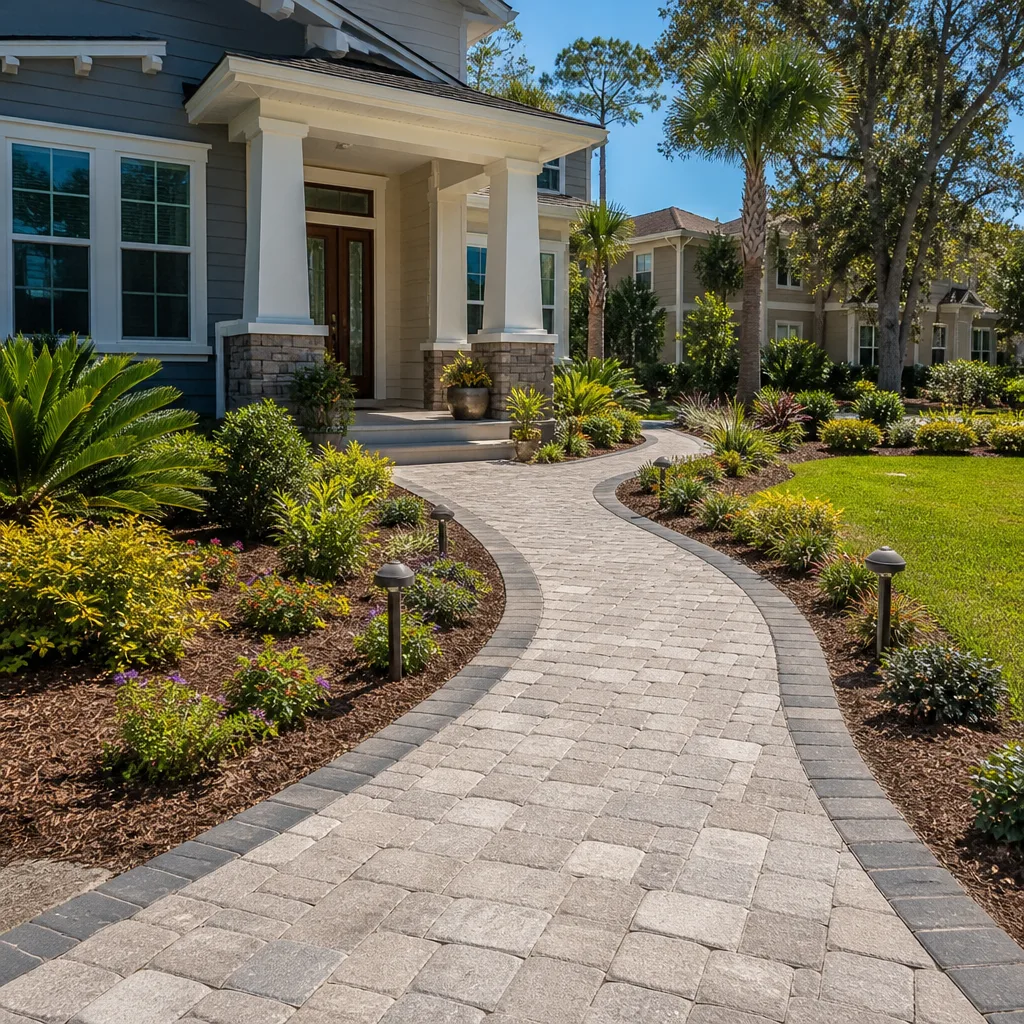
- Driveway & pavers
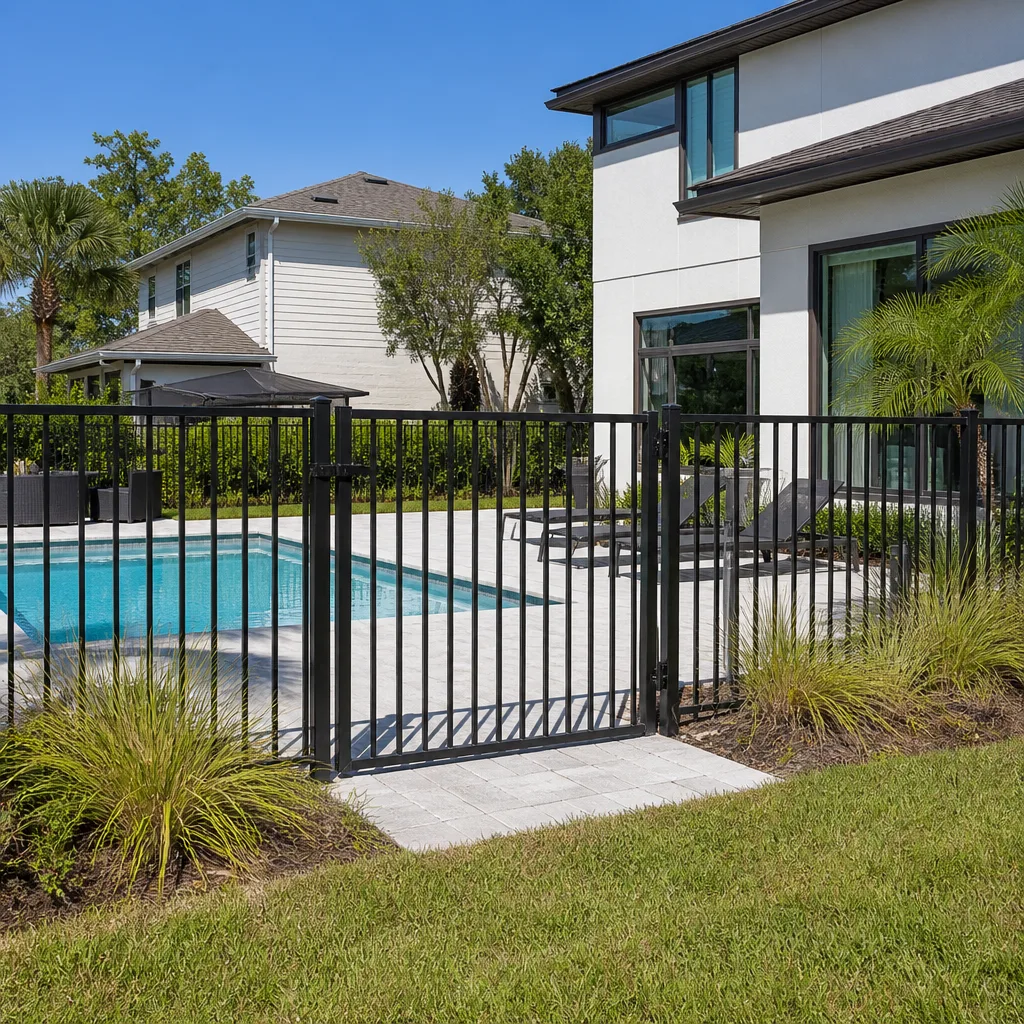
- Fence
Table of Contents
- How Miami-Dade’s NOA Approval System Actually Works
- How to Verify a Product Before You Specify It
- Roofing Brands and HVHZ Compliance
- Windows, Doors and Impact Performance
- Pavers, Fencing and the Outdoor Envelope
- Interior Brands Where the NOA Doesn’t Apply
- Why Contractor Brand Relationships Change the Outcome
- Approved vs. Approved With Conditions
- How a Broad Roster Protects You From Substitutions
How Miami-Dade’s NOA Approval System Actually Works
The Notice of Acceptance is Miami-Dade County’s product approval for construction materials used in the High Velocity Hurricane Zone, which covers all of Miami-Dade. An NOA is issued to a specific manufacturer for a specific product line, and it spells out the conditions under which that product may be installed. A shingle system, an impact window, a garage door, a paver attachment method: each can carry its own approval, and each approval can limit how the product is used. If your roofer installs a shingle that isn’t listed under a valid NOA, the work can fail inspection no matter how clean the installation looks. That’s the part homeowners don’t see coming. The inspection is about documentation as much as workmanship.
Why does this matter so much in The Hammocks? The neighborhood sits squarely inside Miami-Dade, so every roof, window, door and exterior attachment on your home is subject to the same HVHZ rules. Wind-driven rain and hurricane-season gusts are the design conditions the code is written around, and the NOA is the county’s way of confirming that a product has been tested to withstand them.
Every NOA includes several pieces of information you should learn to read:
- NOA number and expiration date. Approvals are periodically re-evaluated. An expired NOA is not a valid approval.
- Product description. The specific product line, model, and sometimes the dimensions or profiles that are covered.
- Installation conditions. The substrate, fastener pattern, underlayment, and attachment method the approval requires.
- Limitations. The parts of the building where the product may or may not be used.
A contractor who works in The Hammocks regularly knows how to read an NOA. A contractor who doesn’t will hand you a manufacturer’s brochure and call it approval. Those are two different documents, and only one of them satisfies the building department.
How to Verify a Product Before You Specify It
Miami-Dade maintains a public product approval database, and any homeowner can search it. The process is straightforward once you know the steps, and it takes only a few minutes per product. This is the single most useful habit you can build before signing a contract in The Hammocks.
- Get the exact product name and model number from the contractor’s written estimate or the manufacturer’s current spec sheet. “Brand X impact window” is not specific enough. You need the series and model.
- Search the Miami-Dade product approval database for that name. The database lists NOA numbers, issue dates, and expiration dates.
- Confirm the NOA is current. Check that the expiration date has not passed. If it has, ask the contractor for the replacement NOA.
- Read the installation conditions. The approval may require a specific fastener spacing, a specific sheathing, or a specific substrate. Ask the contractor to confirm in writing that the installation plan matches those conditions.
- Confirm the approval covers your use. A product approved for a single-family residence may be limited to a certain roof pitch or certain wall type. If your home doesn’t match, you need a different product.
If the contractor cannot produce the NOA number when you ask, that’s a signal. Not proof of wrongdoing, but a signal. Any contractor who installs HVHZ-rated products in The Hammocks should have those numbers at hand or be able to pull them quickly.
Roofing Brands and HVHZ Compliance
Roofing is where brand selection and NOA compliance get tangled most often. On the surface, the shingle brands are familiar: GAF, CertainTeed, Owens Corning, IKO, Atlas, Tamko, and Boral for tile. Each of them makes multiple product lines, and each line carries its own NOA. Two shingles from the same manufacturer can have very different approval situations. The one on the flyer may not carry an active approval for the roof system your home uses.
There’s a second layer to this in The Hammocks: the roof system as a whole, not just the shingle. Underlayment, fasteners, and the attachment method are part of what gets approved. A contractor can install an approved shingle over a non-approved underlayment and still fail inspection. That’s why we tend to think about the roof as a system rather than a product. The brand on the wrapper matters, but so do the pieces underneath it.
A sensible approach for a The Hammocks roof looks like this:
- Start with the roof type. A tile roof and a shingle roof have different brand candidates, and tile brands like Boral have their own approval footprint.
- Pick two or three approved lines rather than locking in on one. Manufacturers run allocations and stockouts, and having a backup keeps the schedule on track.
- Compare warranties within the approved set. GAF, CertainTeed, and Owens Corning all run tiered warranty programs. Once compliance is settled, warranty coverage becomes the real differentiator.
- Ask for the NOA number for every component, including the underlayment, in the written estimate.
For homeowners planning exterior work alongside a new roof, we handle the full envelope through The Hammocks Construction, which helps keep the roof, siding, and window details coordinated. James Hardie siding, for example, is a common pairing because it’s engineered for humid climates and holds up against the same weather loads the roof is rated for.
Windows, Doors and Impact Performance
Windows and exterior doors are the second big compliance category. In an HVHZ county, an impact-rated product needs an NOA, and the approval usually specifies not just the glass but the frame, the anchorage, and the installation details. A window that carries an approval for one anchorage method may not be legal when installed with a different one. Same brand, same product name, different approval status depending on how it’s installed.
Homeowners ask whether they can simply choose the highest wind-load rating they can find. In practice the answer is more practical. The product needs an approval for your specific opening size and your specific installation method. Larger openings often need different framing. Cut corners on the installation details and the approval doesn’t apply, even if you bought the right window. When a The Hammocks home gets new windows and exterior doors, the smart process is:
- Have the openings measured, including rough opening dimensions.
- Match products to those openings from at least two approved lines so you have options.
- Get the installation method in writing, and confirm it matches the NOA’s conditions.
- Check submittals before the order is placed. The right time to catch a mismatch is before delivery, not at inspection.
Exterior doors follow the same logic. Door brands under the impact umbrella are numerous, and checking the NOA is the same three-minute step as for a window. Interior doors, by contrast, are not subject to hurricane approval. If your project is a full window and door replacement, the interior pieces are design decisions and the exterior pieces are compliance decisions. That distinction saves a lot of confusion.
Pavers, Fencing and the Outdoor Envelope
Pavers and fencing live in a middle zone. A driveway paver doesn’t face the same wind loads as a roof, but the attachment methods and the installation details still matter under South Florida conditions, and the better suppliers build products for the climate. Belgard, Unilock, and Techo-Bloc are three names we work with regularly, and each carries product lines suited to the heat, rain, and UV exposure a The Hammocks driveway sees every year. Fencing brands like Master Halco and Ameristar bring commercial-grade aluminum and steel options that hold up better than builder-grade panels.
Where brand selection pays off most in the outdoor category is durability over the long haul. A paver system is set once and lives through hundreds of rainy seasons. The difference between a well-specified product and a commodity option often shows up in color retention and joint stability, not in the first year.
Our driveway & pavers work leans heavily on brand choice because base preparation and the paver system have to work together. For fences, the brand usually follows the function: pool safety, privacy, perimeter. Our fence installation decisions start with that purpose and work backward to the material and the supplier.
A quick guide to what drives the brand decision in this category:
- Pool barriers – aluminum or steel systems, with attention to height and gate hardware.
- Privacy fencing – vinyl or wood panels, matched to how much wind your lot gets and how the sun hits the fence line.
- Driveways and patios – concrete pavers in a system that allows proper drainage and edge restraint.
- Walkways – smaller format pavers, often used as a design accent next to the driveway.
None of these choices is a package deal. You specify a material, and we build to the brand’s spec. That’s the whole point.
Interior Brands Where the NOA Doesn’t Apply
Inside the house, the Miami-Dade approval question mostly disappears. Kitchens and bathrooms don’t need an NOA for the cabinet, the countertop, or the faucet. This is where brand selection becomes a matter of material performance, warranty, and how the pieces fit together. It’s also where a broad brand roster saves the most time and friction, because decisions that normally live across three showrooms can happen in one conversation.
Countertops are the biggest example. Cambria, Caesarstone, and Silestone each occupy the top tier of quartz surfaces, and each brings a different finishing approach and warranty path. Switching between them isn’t a downgrade or an upgrade so much as a different design result. Homeowners who see all three side by side tend to be happier with the choice than homeowners who see only one.
The same principle holds for the plumbing and fixtures side of a kitchen or bathroom. Moen, Delta, and American Standard each carry fixtures across several price points and finish families, and matching the finish across a shower valve, sink faucet, and toilet is usually easier within one line than across three. Blanco covers sinks particularly well, and pairing a Blanco sink with the right faucet line gives a much cleaner finished result than mixing an unknown faucet into the same counter. Kohler, Grohe, and Toto round out the fixture bench across premium tiers.
Cabinetry pulls the room together. KraftMaid and Wellborn both offer a range of door styles and finishes that can be specified down to the molding detail. When we plan a kitchen or bath in The Hammocks, we treat cabinet, countertop, and fixture decisions as one workflow so the finished result is coherent, not assembled from three separate purchases. Our home additions & ADU work takes the same approach when a new space needs its own kitchenette or bath.
Kitchen and bath work rarely needs an inspection for product approval, but it still needs the right product for the room. A humid South Florida bathroom is a harder environment for wood cabinetry than the same cabinetry in a drier climate. Specifying finishes and substrates that match that reality is the interior equivalent of reading an NOA. It’s the detail that keeps the room intact after five years.
Why Contractor Brand Relationships Change the Outcome
A contractor who works with one brand does one thing well, but options disappear. A contractor who works with a broad roster can keep you in compliance when the first-choice product isn’t available, or when the specific approved line doesn’t match your home’s configuration. The roster is the backup that protects the schedule and the code compliance at the same time.
The full-scope house also benefits. Roofing, windows, siding, and doors are all part of the same weather envelope, and getting them from one coordinated relationship means fewer hand-off gaps. That’s the “one contractor from the driveway to the roofline” idea in practice: not a marketing line, but a reduction in the number of places where a detail can get lost.
In our experience, the biggest difference a broad roster makes shows up when a specific product needs to change mid-project. The homeowner doesn’t want to hear “we only carry this one line.” They want to hear three or four approved alternatives and pick one. Being authorized to install and work with dozens of named brands across roofing, doors, cabinetry, countertops, plumbing fixtures, pavers, fencing, and prefab ADU systems means that the answer is usually yes, here are the options.
Where broad rosters matter most:
- Roofing – GAF, CertainTeed, Owens Corning, IKO, Atlas, Tamko, and Boral give coverage across warranty tiers and roof types.
- Windows and doors – multiple approved lines for different opening sizes and installation conditions.
- Kitchens and baths – Cambria, Caesarstone, and Silestone for counters; KraftMaid and Wellborn for cabinets; Moen, Delta, Kohler, Grohe, Toto, and American Standard for fixtures.
- ADU and additions – site-built plus prefab and modular lines like Abodu, Dvele, Mighty Buildings, Boxabl, and Plant Prefab.
A roster protects more than convenience. It protects the compliance chain.
Approved vs. Approved With Conditions
This is where most homeowner research stops too early. An NOA isn’t a yes-or-no stamp, it’s a “yes, if.” Two products can both carry active approvals and still perform very differently on your house depending on the conditions attached to each one. A product approved for installation over plywood sheathing may not be approved over OSB. A shingle approved for a 4:12 roof pitch may not be approved for a 2:12. An impact window approved with one fastener pattern may not be approved with a different sequence.
The practical takeaway: read the installation conditions of the NOA, not just the number. If the conditions match your home and your contractor’s plan, you’re good. If they don’t, you need a different product or a different installation method.
How to confirm which applies:
- Pull the NOA for the exact product. Read the entire document, not just the cover page.
- List the conditions in plain terms. Substrate, attachment, dimensions, exclusions.
- Compare with the contractor’s written scope line by line. Ask about any condition that isn’t addressed.
- Flag mismatches before the purchase order is signed. Once the material is on site, changes get expensive.
In The Hammocks, this matters most on re-roofs and window replacements because those are the two categories where inspectors are most likely to ask for the paperwork. A roofing product approved with conditions that don’t match your roof deck is a fail waiting to happen, even if the installation day itself goes perfectly.
How a Broad Roster Protects You From Substitutions
Supply chain substitutions are the quiet risk. A contractor orders Brand A, gets a partial shipment, and fills the gap with Brand B to avoid delaying the crew. If the job is documented properly, that’s a change order. If it isn’t, the second product can end up in your house without an NOA, or with an approval that doesn’t cover your installation. That’s how a compliant project becomes non-compliant without anyone intending it.
The protection against this is having a roster instead of a single line, and getting every product change documented in writing. When the contractor has five approved alternatives in the same category, there’s no need to substitute quietly. The homeowner gets a real choice with real documentation.
What to ask your contractor before work starts:
- Which specific brand and model is going on my home?
- What’s the NOA number for that product, and for each component underneath it?
- If the product changes, will I get a written notice with the new NOA number before installation?
- Are all the approved substitutes also acceptable to you, or is the approval limited to the one product?
“We work with what’s best for your home” only holds up when the contractor can actually put the right product in place. In an HVHZ county, the right product is a documented, approved one.
Common Mistakes to Avoid
- Buying on brand recognition alone. A familiar logo means nothing if that product line has no active NOA for your use. Check the database before you commit.
- Confusing a manufacturer’s brochure with an NOA. They look similar at a glance, but only the NOA is the county’s approval document.
- Assuming all products from one brand are approved. Approvals attach to specific product lines and models, not to a brand name overall.
- Ignoring the installation conditions. An NOA that requires a substrate or fastener pattern your home doesn’t have is not an approval for your project.
- Letting substitutions happen silently. If a different product arrives on site, it needs its own NOA number and a written change in your scope.
- Specifying one line and no backup. In The Hammocks, one-line plans run into supply gaps, and gaps invite compliance shortcuts.
- Skipping the permit question. Most roof and window work in Miami-Dade requires a permit and an inspection. Ask your contractor to confirm they’ll pull it before you sign.
See the difference
 Before
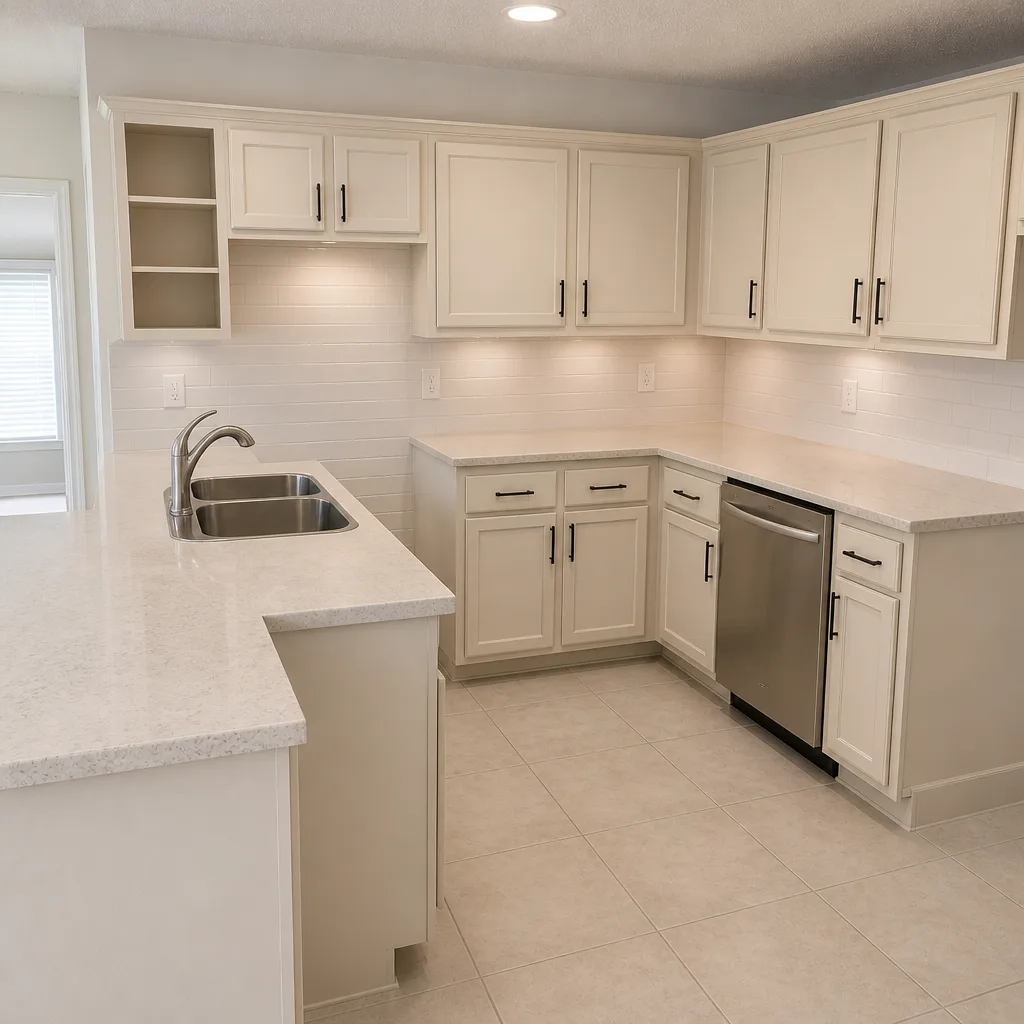 After
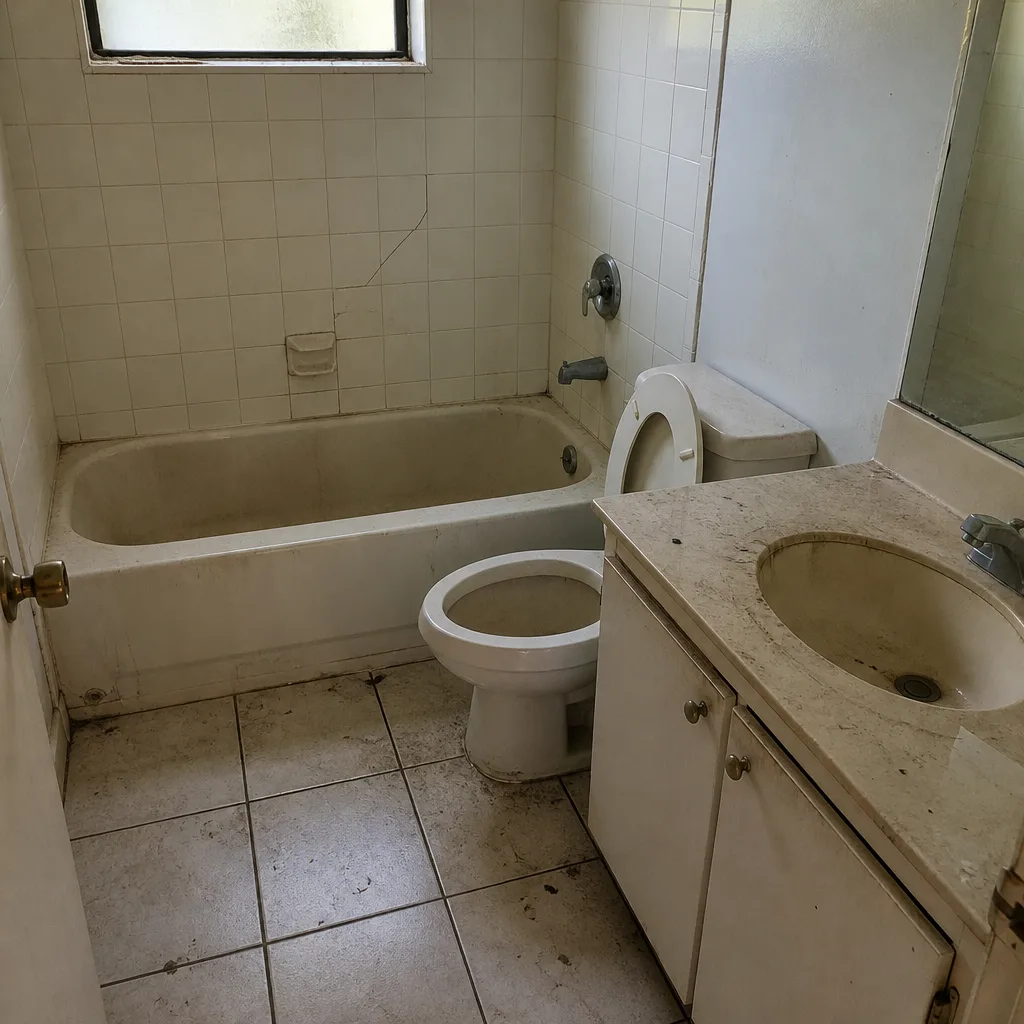 Before
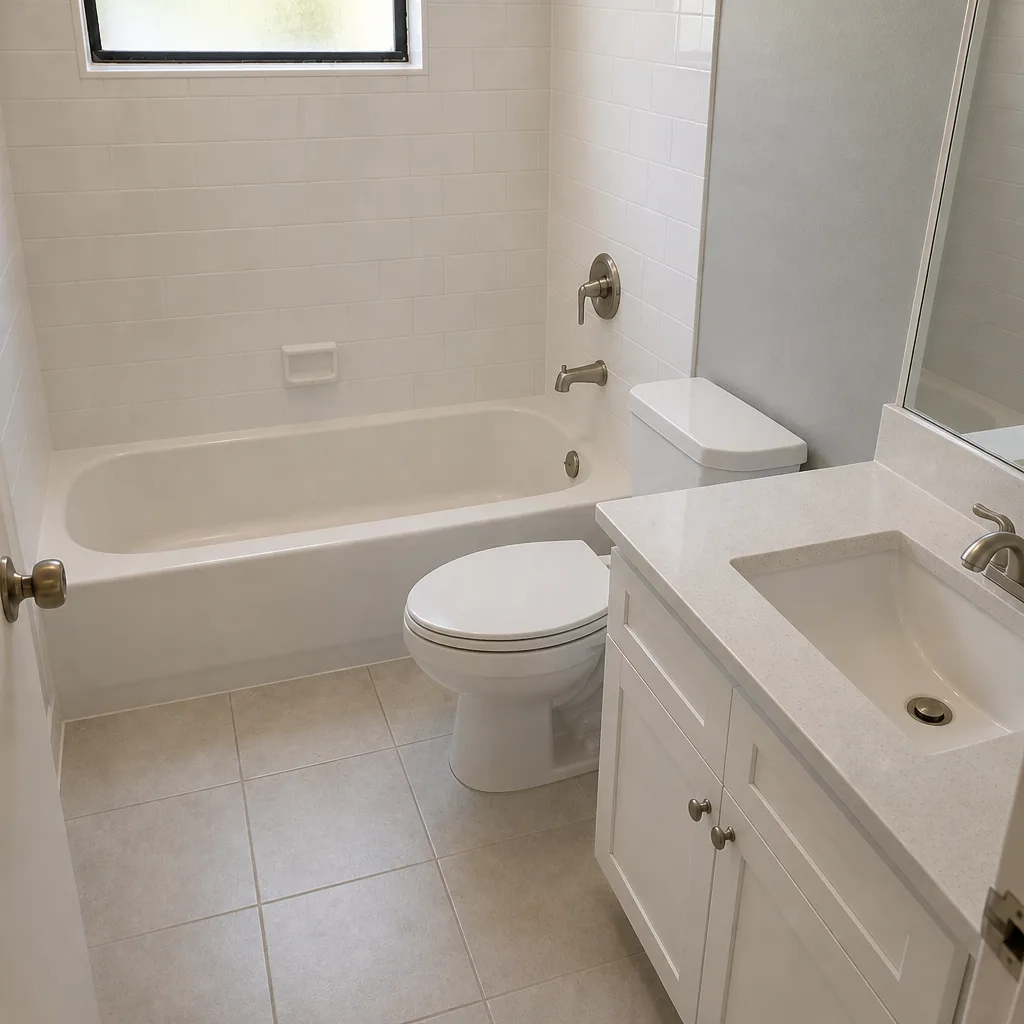 After
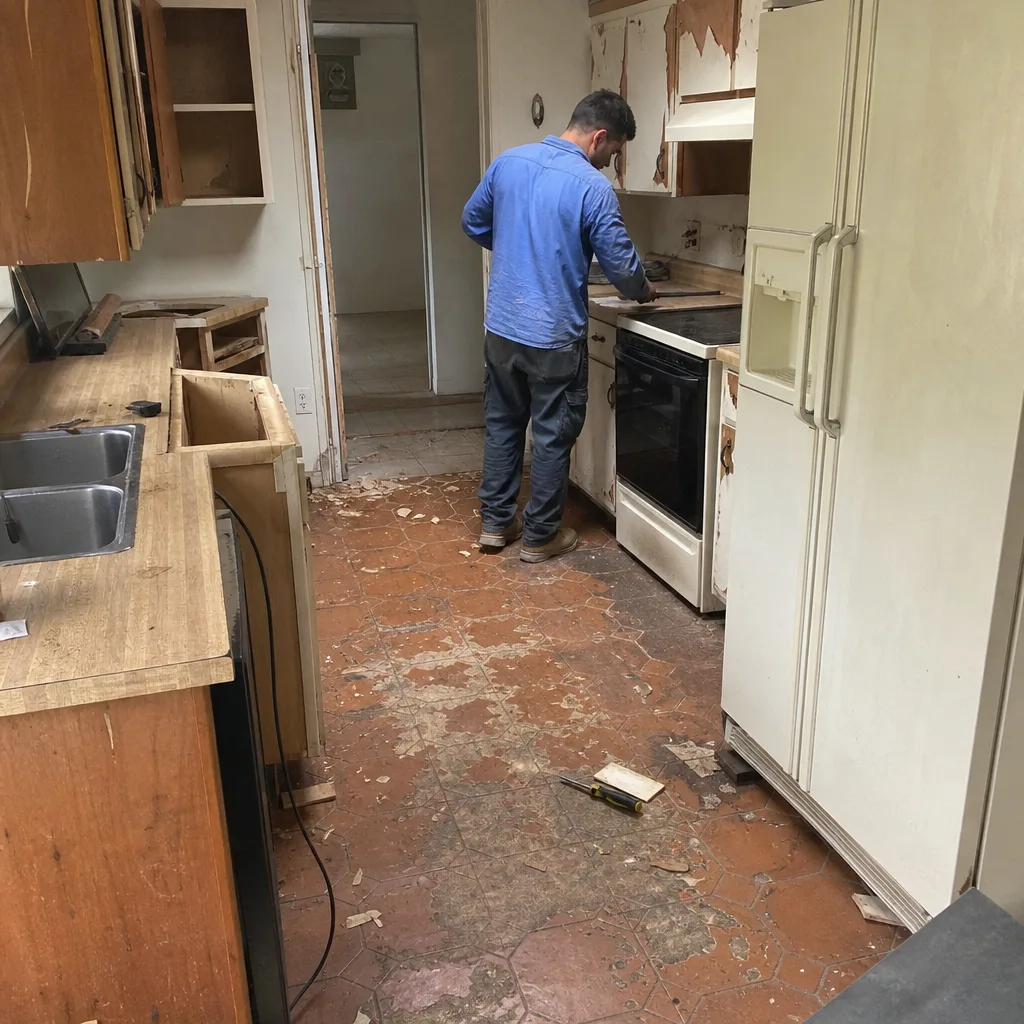 Before
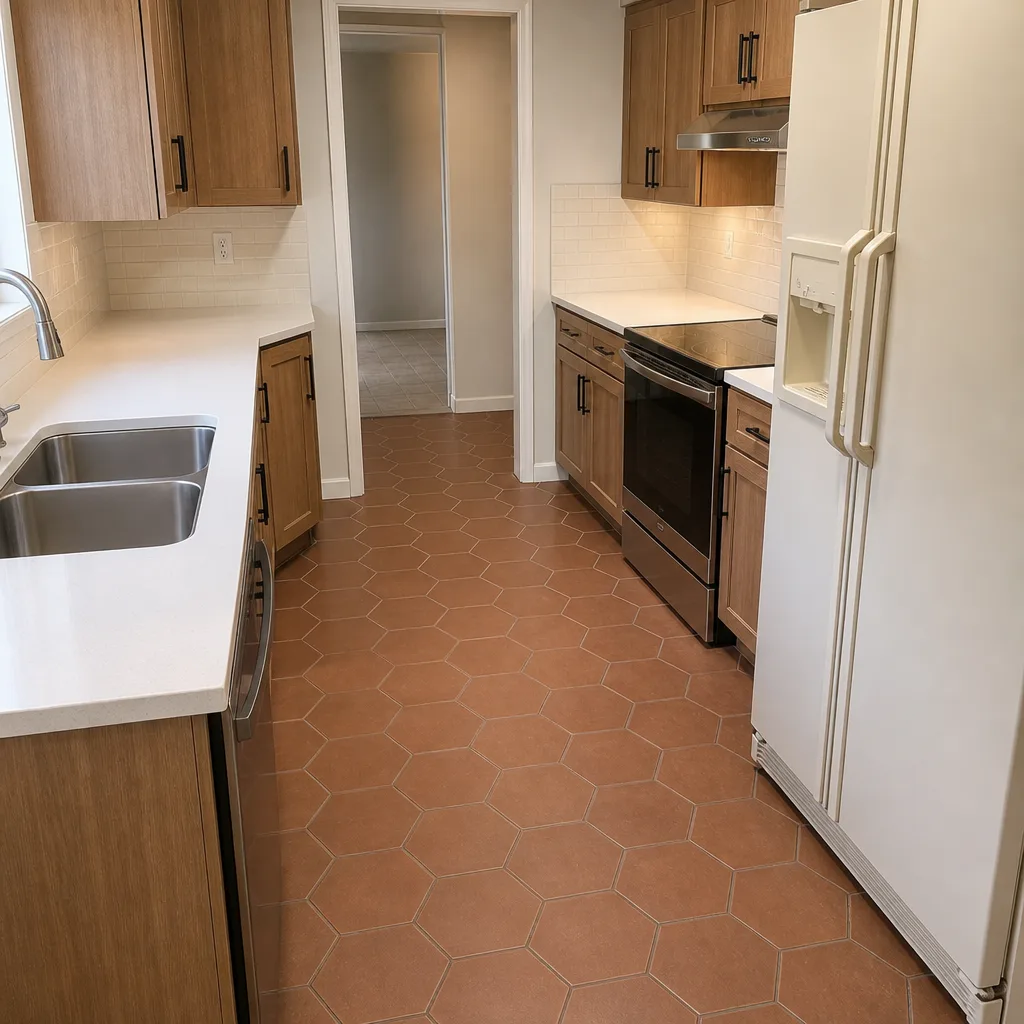 After
When to Call a Professional
If you’re still at the idea stage, start with a written scope and a clear list of which products are being considered. If you’ve already been quoted and the estimate doesn’t name specific brands and model numbers, that’s a reason to call. If the estimate names brands but doesn’t reference an NOA number for the roofing or window products, that’s an even better reason. If you have a signed contract and you’re not sure the products carry active approvals, it’s not too late to check; better to catch it before delivery than at inspection. And if you’re comparing roofs, windows, pavers, or a full addition and trying to keep the brand roster coherent across all of it, that’s exactly where a broad portfolio helps. The Hammocks Construction offers free estimates in The Hammocks – call (844) 797-9354 to schedule yours. Our technicians have up to 13 years of experience with HVHZ-rated products and the paperwork that travels with them.
Frequently Asked Questions
A Notice of Acceptance is Miami-Dade County’s product approval for construction materials used in the High Velocity Hurricane Zone. It matters in The Hammocks because every roof, window, door, and attachment on your home sits inside that zone, and the building department will check the approval status before signing off on the work. Without an active NOA, even a well-installed product can fail inspection. Call (844) 797-9354 to walk through which approvals apply to your project – estimates are free.
Search Miami-Dade’s public product approval database for the exact product name and model, confirm the NOA is current, then read the installation conditions to make sure your roof deck, pitch, and attachment method match. Don’t rely on the brand name alone. If your roofer can’t provide the NOA number when you ask, that’s a reason to pause. Call (844) 797-9354 for an exact quote – estimates are free.
Yes, because the approval attaches to the product, the frame, the anchorage, and the installation method together. A perfect installation of a product without an approval for that method still doesn’t pass inspection. The brand is one part of a package that has to hold together. Call (844) 797-9354 to review the approved window options for your home – estimates are free.
It shouldn’t. We work from a written, line-item estimate and fixed pricing for the specified scope, so the price you sign for is the price at completion. If a product substitution is needed, you get a written change with the replacement product and its NOA number before any new material goes in. Call (844) 797-9354 for a free estimate with the brands and models spelled out.
Yes. Permits are pulled and inspections passed for the scope we’re building, and that’s part of how a The Hammocks project stays compliant from start to finish. Approval paperwork is part of the job, not a separate service. Call (844) 797-9354 to schedule your free estimate.
No. Interior products like quartz countertops from Cambria, Caesarstone, or Silestone, cabinetry from KraftMaid or Wellborn, and fixtures from Moen, Delta, or American Standard are not subject to the Miami-Dade NOA system. Those decisions are about material performance, warranty, and how the pieces fit together. Call (844) 797-9354 to review options in one conversation – estimates are free.
The Bottom Line
In The Hammocks, choosing a construction brand is a compliance decision before it’s a style decision. The Miami-Dade NOA system determines which products can legally go on your home, and the installation conditions attached to each approval matter as much as the number itself. Verify products in the county database, read the conditions, get every NOA number in writing, and choose a contractor with enough brand options to keep you compliant when a specific product runs short. A broad, honest roster plus a written line-item estimate is the combination that keeps a project legal, on schedule, and built to the brand’s spec. The right brand is the one that’s approved for your house, not just recognized on the flyer.
Call (844) 797-9354 to schedule your free estimate. We answer 24/7. Fast dispatch from 7am to 7pm, Sunday through Friday.
Written by the team at The Hammocks Construction.