Last updated November 17, 2026



Free written scope consultation - allowances, timeline, and change-order rules on paper before a single trade is scheduled
Construction Emergency Preparedness Guide for The Hammocks Homes
After a hurricane, the most damaging decision a Hammocks homeowner makes usually isn’t structural. It’s hiring the first roofing crew that knocks on the door within 48 hours, before they’ve documented the damage, contacted their insurer, or verified a Miami-Dade license. The same pattern plays out on a smaller scale every week: a project stalls, a contractor stops answering, and the homeowner has no paper trail and no plan. Construction emergencies in The Hammocks come in two forms, storm damage and mid-project contractor failure, and both follow predictable patterns. This guide walks through the steps that protect you before either one happens, plus what to do in the first hours after. It’s written for homeowners in The Hammocks who want a plan, not a panic.
Quick Answer
Construction emergency preparedness in The Hammocks means two things. First, a pre-season audit and photo record of your home’s roof, windows, doors and fence so your insurance baseline is documented before any storm. Second, a written protocol for temporary weatherproofing after damage and for securing a job site if a contractor walks off mid-project. Both require the same core habit: verify licenses, keep written records, and never sign a permanent repair contract in the first 48 hours after a storm.
Styles & brands we work with
- Kitchen remodeling
- Bathroom remodeling
- Home additions & ADU
- Roofing
- Windows & doors
- Driveway & pavers
- Fence
Table of Contents
- Pre-Storm Construction Audit: What to Inspect and Document
- Immediate Post-Storm Sequence: Temporary Weatherproofing First
- How to Vet Emergency Contractors Under Time Pressure
- Mid-Project Contractor Failure Protocol
- What a Construction Emergency Fund Should Actually Cover
- HVHZ Materials and Why They Matter After a Storm
- Building a Household Construction Emergency Plan
- Working With Your Insurer Before and After Damage
Pre-Storm Construction Audit: What to Inspect and Document
The most useful thing you can do for your insurance claim is done months before a storm. A pre-season construction audit takes a homeowner one afternoon and produces the photo record that adjusters and contractors both rely on. It’s boring work. It’s also the difference between a claim that moves smoothly and one that gets argued line by line.
Walk the property with a phone set to date-stamp photos and take wide shots first, then close-ups. The goal is a complete visual baseline of the exterior envelope: roof surface, ridge and valleys, fascia, soffits, window frames, doors, fence line and driveway edges.
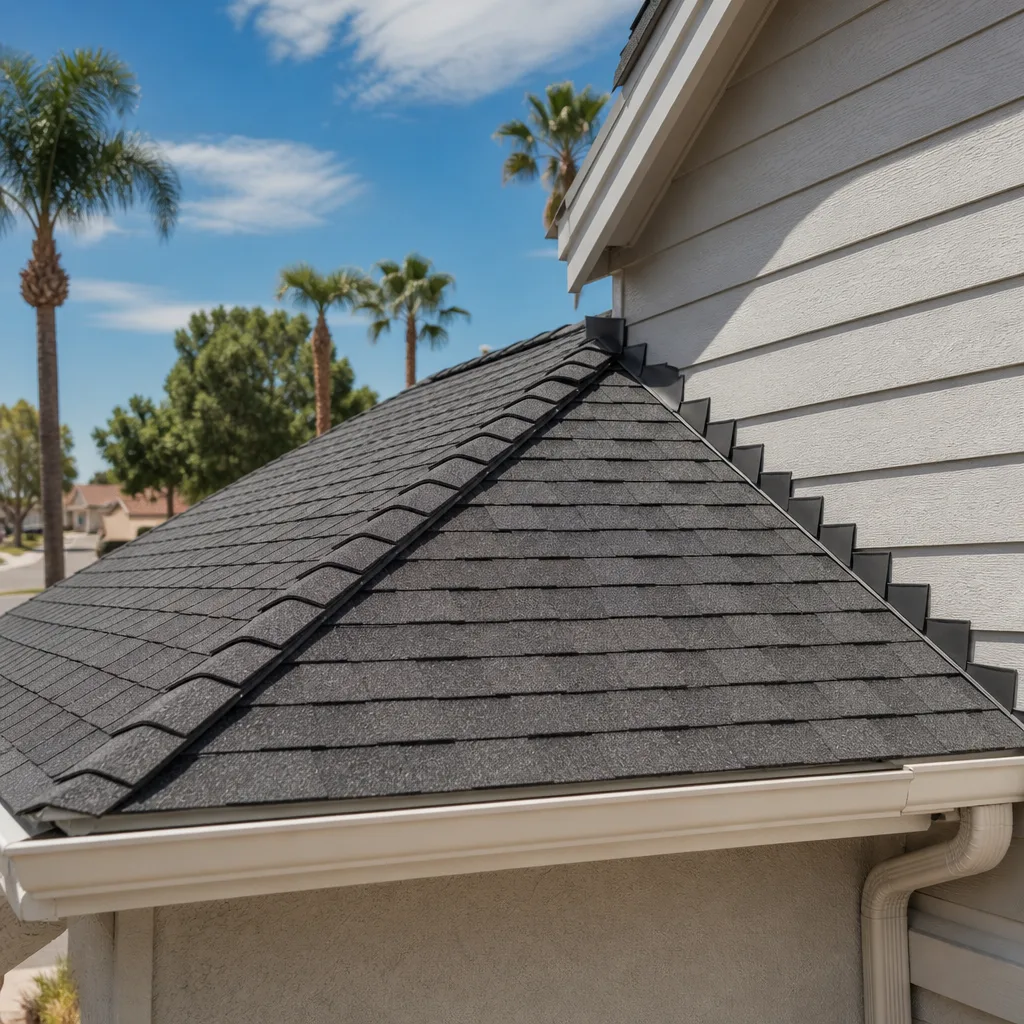
- Roof surface. Photograph each slope from at least two angles. Note existing granules, patched areas, and any lifted shingles or tiles before storm season. If your roof is near the end of its service life, this is where you plan a replacement rather than gamble on it.
- Roof penetrations. Vent stacks, chimney flashings and skylights are the first places storms push water through. Photo each one and note the flashing condition.
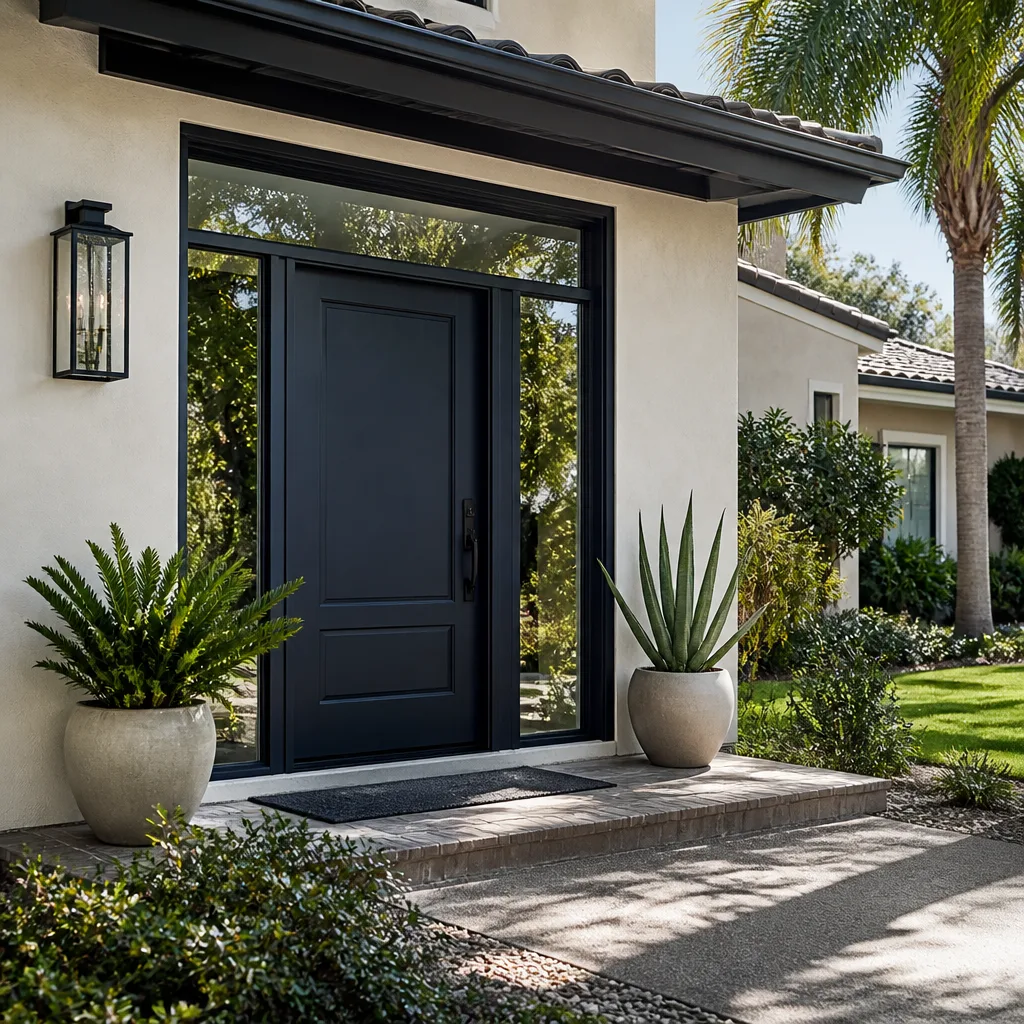
- Windows and doors. Document every opening. For impact-rated units, photograph the label or approval sticker still on the frame. Those records streamline a claim later and confirm which glazing is rated for a protected opening.
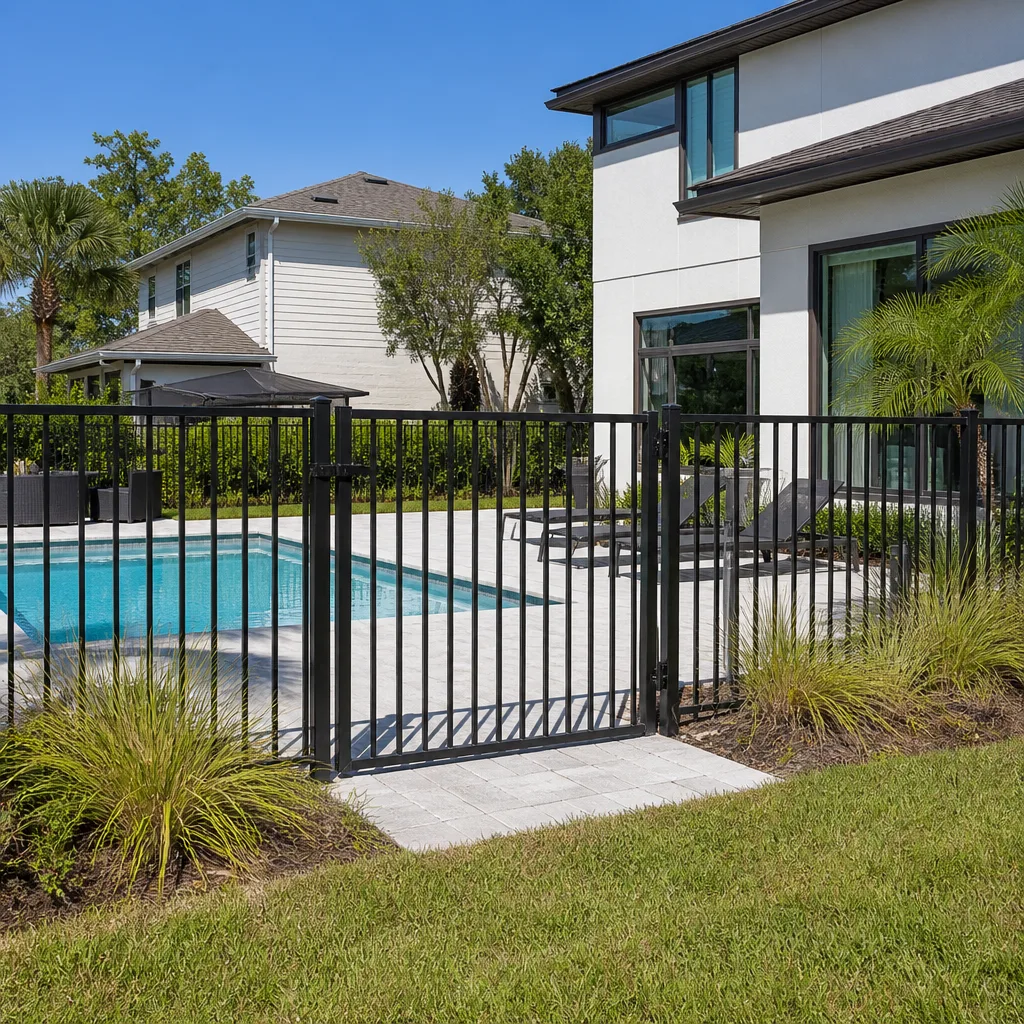
- Fence. Photograph posts, rails and the full run. Fence damage is common after sustained wind, and an accurate pre-storm record makes the loss unmistakable.
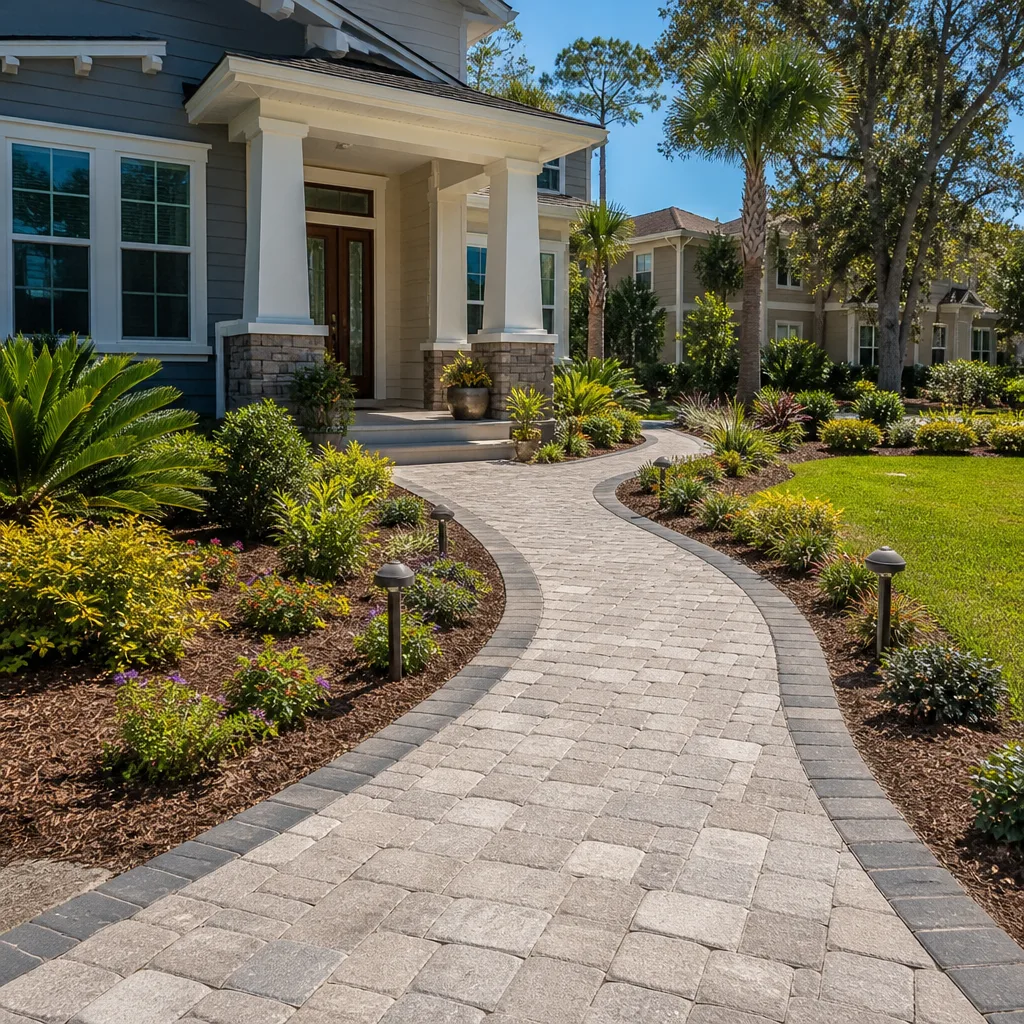
- Driveway and pavers. Note any existing cracks or settled pavers. Stormwater can lift and shift a paver field, and pre-existing damage should never be blamed on the storm.
- Interior water-vulnerable areas. Photograph ceilings under the roof and window sills, so any future staining is clearly new.
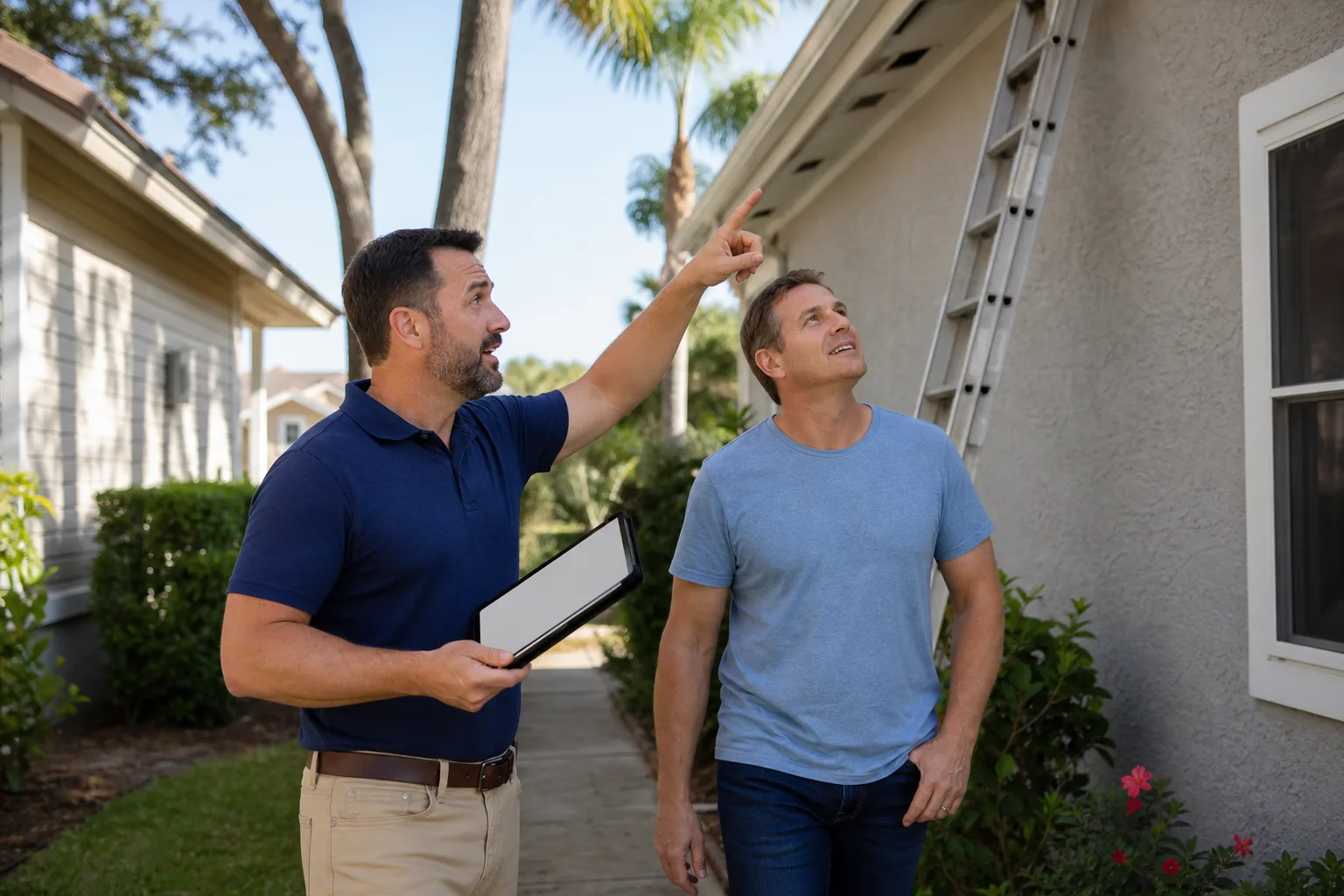
Store the photos in a cloud folder separate from the phone, and email the folder to yourself. Paper copies help too. Add a short written inventory: roof material type, approximate install date if known, and the brands of your windows, doors and roofing. If you don’t know them, a licensed contractor can identify them during a routine inspection. Our technicians have up to 13 years of experience and can tell you what’s on your roof and what condition it’s in.
Immediate Post-Storm Sequence: Temporary Weatherproofing First
In the first 48 hours after a storm, the goal is not repair. The goal is stopping water from turning a manageable loss into a full interior gut. Temporary weatherproofing comes first, in a specific order of priority. Permanent repair comes after documentation and an insurer conversation.
The sequence below is the priority order we recommend for The Hammocks homes after wind or rain damage. Every step is temporary and documented.
- Document first, then touch nothing structural. Photograph and video the damage before you cover anything. Walk the rooms with the camera rolling and narrate what you see.
- Roof penetrations and open areas. Torn flashing, missing shingles or a lifted tile field around a skylight or vent is the highest priority because water enters directly. A licensed roofer installs temporary tarping to manufacturers’ spec and secures it against wind. Do not climb onto a steep or damaged roof yourself.
- Windows and doors. Broken glass, failed seals or a frame that’s been pushed out of square is second priority. Board or secure the opening with proper materials so it doesn’t become a wind tunnel or a water path.
- Fence and site barriers. A downed fence may look cosmetic, but it’s a security perimeter. Re-secure or temporarily replace the run so the property stays enclosed.
- Water extraction and drying. Any interior water should be extracted and dried with air movement. Standing water in a wall cavity leads to mold within days.
- Document the temporary work. Keep receipts and photos of every temporary measure. Insurers typically reimburse reasonable protective steps taken to prevent further damage, and the paper trail proves it.
The rule that trips up most homeowners: don’t skip to permanent repair before your insurer has seen the damage and agreed on scope. Signing a permanent contract in the first 48 hours, before documentation, is exactly how post-storm disputes begin. Take the photos, secure the openings, and hold the permanent work until the claim is clear.
How to Vet Emergency Contractors Under Time Pressure
When your roof is tarped and a crew is standing in your yard offering to fix it today, you need a five-minute filter, not a background check. Two verifications catch almost everything that goes wrong with emergency contractors: license status and insurance documentation. Both are public record or provided on request, and both take minutes.
The first verification is the contractor’s state license. Florida licenses contractors through the state, and a Miami-Dade County license is a local credential for work within the county. Ask for the license number and check it against the state or county database before you allow any work. A legitimate contractor will have the number ready without hesitation. A crew that fumbles it or says “we’re working under someone else’s” is a hard stop.
The second verification is proof of insurance, specifically general liability and workers’ comp. Ask for a certificate of insurance that names the company and lists your address as the project site, then call the insurer’s number on the certificate to confirm it’s active. A certificate that can’t be verified is the same as no insurance.
Two more quick checks sharpen the filter:
- Local address and phone. A crew that can’t give you a Miami-Dade business address and a working local number is a red flag. Out-of-state storm chasers show up after major events and often aren’t around to honor a warranty.
- Written scope and timeline. A real quote breaks the work into line items: temporary protection, materials, installation, cleanup. A handshake number is not a quote.
- No large upfront payment. A legitimate contractor doesn’t ask for the whole job paid in cash upfront. A written, line-item estimate with a reasonable deposit schedule is the standard.
We can’t overstate this: the crew that knocks first is not the crew most likely to do it right. It’s the crew that got there first. Slow down for five minutes and run the two checks. It’s the single highest-value time you’ll spend after a storm.
Mid-Project Contractor Failure Protocol
A contractor who stops answering the phone mid-project is a construction emergency just like storm damage, and it follows the same rules. Secure the site, document everything, and use the licensing and bonding systems that exist to protect you. This happens more often than homeowners expect, and the recovery path is procedural, not personal.
The first step is physical. Secure the job site so it’s weathertight and safe. If a roof is half-installed, a wall is opened, or a window is out, the property is exposed to rain and to security risk. Hire a licensed professional to stabilize the site immediately, and keep receipts. That protective work is often recoverable.
The second step is the paper trail. Photograph the site as you found it. Collect the contract, every change order, the payment record and the scope document. Note the last date the contractor was on site and every communication attempt. Write it down as a timeline the same day, before memory blurs.
- Photo and secure. Stabilize the property and document its condition with date-stamped photos.
- Assemble the file. Contract, change orders, payment proof, correspondence and the timeline you wrote.
- Notify the contractor in writing. Send a written notice describing the non-performance and giving a date to respond. Email and certified mail both.
- File a complaint with the licensing board. The state agency or county that issued the contractor’s license has a complaint process. A complaint creates a record and can trigger the recovery fund that many states maintain for unlicensed or defaulting contractors.
- Check the bond. Many licensed contractors carry a surety bond. If one is in place, a claim can recover money if the contractor can’t finish or refunds are owed. Your state licensing board or county office can tell you how to proceed against a bond, and the letter you wrote establishing the default is often the start of that process.
- Replace the work with a documented scope. Get a written scope from the new contractor that matches what remains, and keep it in the file for your recovery claim and your insurer.
The key point: don’t let the project sit half-finished while you wait on a contractor to call back. Stabilize, document, and file. The licensing board and bond exist to get you made whole, but they require a written record you create.
What a Construction Emergency Fund Should Actually Cover
A construction emergency fund in The Hammocks can’t be built on national average repair costs. South Florida construction carries a specific set of requirements, materials, and permit costs that don’t match the rest of the country, and a fund sized on national figures will come up short. Instead, size your fund around the categories that storm damage and contractor failure actually hit in this market.
Think of the fund in three buckets. The first is temporary protective work, the tarping, boarding, and stabilization that has to happen in the first 48 hours. The second is the deductible gap, the portion of the insurance claim that’s your responsibility. The third is out-of-pocket work below the deductible or not covered at all, like fence repair or paver resetting.
- Temporary weatherproofing, roof. Tarping a roof, securing damaged penetrations and removing debris usually runs in the several-hundred to low-thousands range depending on roof size and complexity.
- Window and door boarding. Securing or replacing damaged openings typically runs in the several-hundreds per opening, higher for impact-rated units that must be replaced to code.
- Water extraction and drying. Interior drying after a roof or window failure commonly runs several hundred to a couple thousand dollars depending on the area affected and how quickly it’s caught.
- Fence stabilization or replacement. Temporary fencing runs in the hundreds; a full replacement on a typical residential run runs into the low thousands depending on material and length.
- Deductible reserve. Set aside at least your hurricane deductible in liquid savings. It’s the number most homeowners underestimate.
Every one of these figures is an estimate, and the written estimate on the actual job sets the real price. When you build the fund, plan for the deductible plus a protective-work reserve, and let the contractor quote the actual repair against your insurer’s scope. Ask for a written line-item quote for any job so you can compare what’s covered against what you’ll pay.
HVHZ Materials and Why They Matter After a Storm
The Hammocks sits inside the High-Velocity Hurricane Zone, and that changes what gets installed on your home. HVHZ product approvals mean roofing systems, windows and doors are tested to withstand wind-driven rain and impact at levels standard products were never rated for. That matters twice: it protects the home during the storm, and it determines whether a repair or replacement keeps your insurance coverage intact afterward.
When you replace a roof, a window or an exterior door in The Hammocks, the product and the installation both have to meet HVHZ requirements. The product approval label, the installation method and the documentation matter for the inspection and for future claims. A contractor who installs a generic product without the approval record leaves you with a repair that may not survive the next event or pass an inspection.
This is where material transparency earns its keep. A roof system built to the manufacturer’s spec, with the correct underlayment, flashing and fastener pattern, holds up differently than a spot-installed patch. Roofing manufacturers like IKO and Atlas publish installation requirements and warranty terms tied to their products, and a roof built to those requirements is what protects the warranty. Windows and doors are the same story: an HVHZ-rated unit installed correctly keeps its rating. One installed outside spec doesn’t.
For homeowners rebuilding after storm damage, this is the moment to get the envelope right rather than piece it back together. A fence rebuilt with commercial-grade material, a roof built to the manufacturer’s spec, a window replaced with the correct rated unit: each of these is a decision that pays off during the next event. If you’re planning exterior work as part of recovery, our roofing and windows & doors specialists work with approved HVHZ product lines and document the installation to spec. The same applies to fence installation, where commercial-grade supplier relationships make a difference in what holds through sustained wind.
Building a Household Construction Emergency Plan
The difference between a homeowner who recovers smoothly after storm damage and one who loses months is almost always paperwork done in advance. A household construction emergency plan is the smallest, cheapest version of that paperwork, and it takes one evening. Every The Hammocks household is different, but the plan structure is the same.
Start with the essentials that are already in your head: which shutoff valves matter, where the important documents are, who makes the calls. Then commit them to a binder or a shared digital folder where everyone in the household can find them.
- Emergency contact sheet. Insurer phone and policy number, your mortgage holder, your utility, and a licensed contractor you trust for roofing, windows and fencing. Put it on paper and in the cloud folder.
- Property baseline folder. The pre-storm photos and inventory from the audit section. This is the most valuable file you own after a storm.
- Insurance policy summary. One page: deductible amount, hurricane deductible, coverage limits, and the insurer’s claim phone line.
- Contractor shortlist. Names, phone numbers and license numbers for two contractors per trade you’re likely to need, verified before the storm when verification is calm.
- Emergency fund record. A written note of where the protective-work and deductible reserve sits, so you’re not hunting for it under pressure.
- Protective-work kit. Tarp, boards, fasteners and a good flashlight stored together, plus a reminder that roof-level work is a professional’s job.
- Communication plan. Who calls the insurer, who documents the house, who handles the family. One person per job prevents crossed wires.
Review the plan once before storm season and again after any major project. When you replace a roof or install new windows, update the baseline folder. The plan is a living document, not a one-time exercise.
Working With Your Insurer Before and After Damage
Two habits make every insurance claim easier: a documented baseline before damage and a documented sequence after. The insurer’s whole job is to establish the difference between pre-existing condition and storm loss, and your records are what settle that question quickly. The Hammocks claims move faster when the homeowner brings receipts, photos and a written scope to the conversation.
Before damage, review your policy every year. Confirm the hurricane deductible, the coverage limit on the roof and the replacement cost value on your structure. If the policy has a separate roof deductible, know it. Then match your baseline folder to the policy so you can speak to the adjuster in the insurer’s own terms.
After damage, follow this order:
- Report the loss promptly. Call the insurer’s claim line and start the process before you schedule permanent repair.
- Protect against further damage. Temporary weatherproofing is not a permanent repair, and insurers expect you to take reasonable protective steps. Keep the receipts.
- Photograph the temporary work. The tarp, the boarding, the fence repair, the extraction. Document what was done and by whom.
- Get a written line-item scope. A contractor’s written estimate that matches the damage item by item is the document the adjuster reconciles against. Ask for it in writing and keep the fixed price.
- Keep the estimate and the adjuster’s scope together. The gap between them is what you negotiate. A written line-item quote is the tool that makes that negotiation possible.
One more habit worth building: request the permit and inspection record for any permanent repair. Permits pulled and inspections passed are not just code compliance; they’re the documentation that your repair was done the right way. If a future claim or a sale asks about work quality, that record answers it.
Common Mistakes to Avoid
- Hiring the first crew that knocks. In The Hammocks, post-storm door-knocking reaches a peak in the first few days. A five-minute license check on the state or county database filters out most of the wrong ones before they touch your roof.
- Skipping the pre-storm audit. Without a dated photo baseline, you’re arguing with an adjuster about whether a crack in a paver or a lifted shingle was pre-existing. An afternoon of photos prevents that argument.
- Signing a permanent contract in the first 48 hours. Documentation and temporary weatherproofing come first. A permanent contract signed before the claim is documented is how disputes start.
- Paying the full job upfront. A reasonable deposit schedule is standard. Full payment in cash before work starts is a red flag, and it removes your leverage if the job stalls.
- Ignoring the HVHZ approval record. A replaced window or roof without the correct product approval and installation documentation can complicate a future claim. Insist on the record.
- Letting a stalled project sit. When a contractor stops responding, secure the site and file with the licensing board the same week. Time is what turns a recoverable loss into an unrecovered one.
- Sizing the emergency fund on national figures. The Hammocks repair costs don’t track national averages because of HVHZ materials and local permit requirements. Size the fund on a written local estimate, not a national chart.
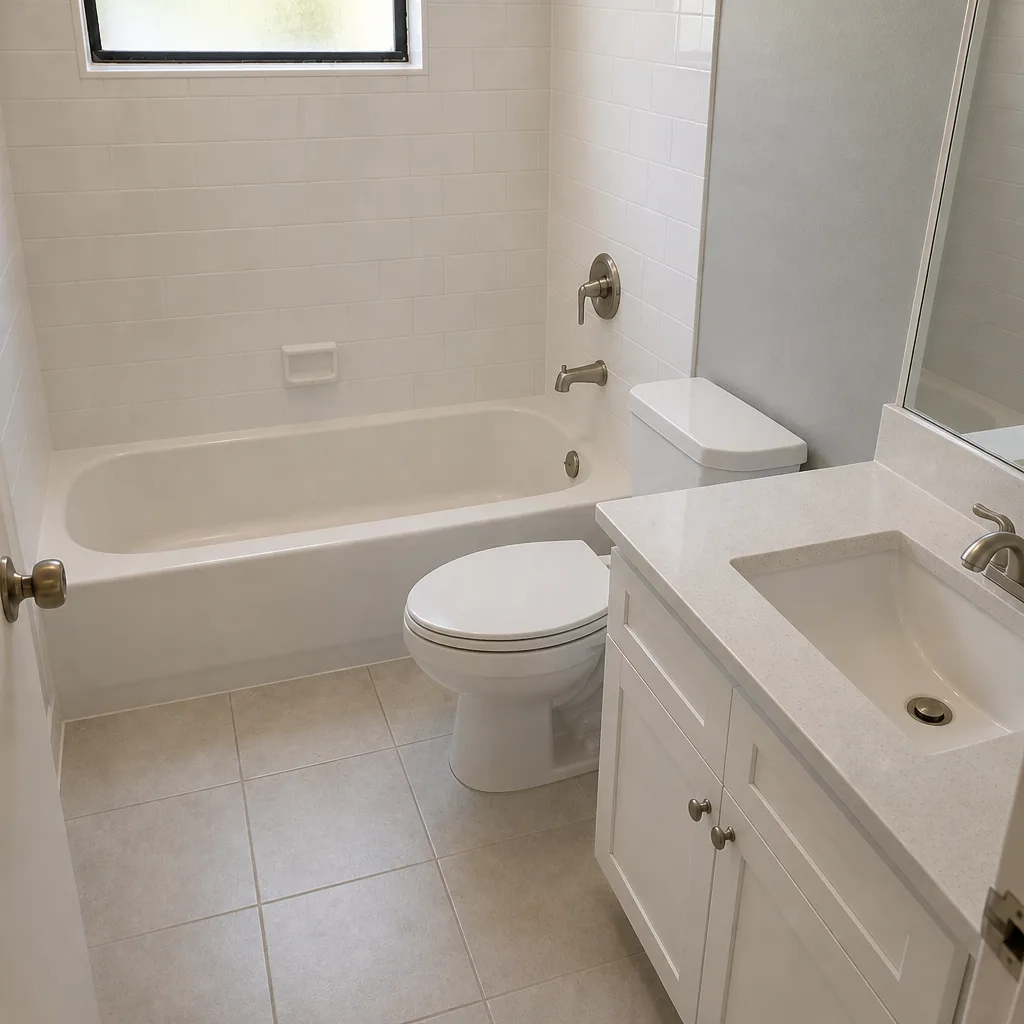
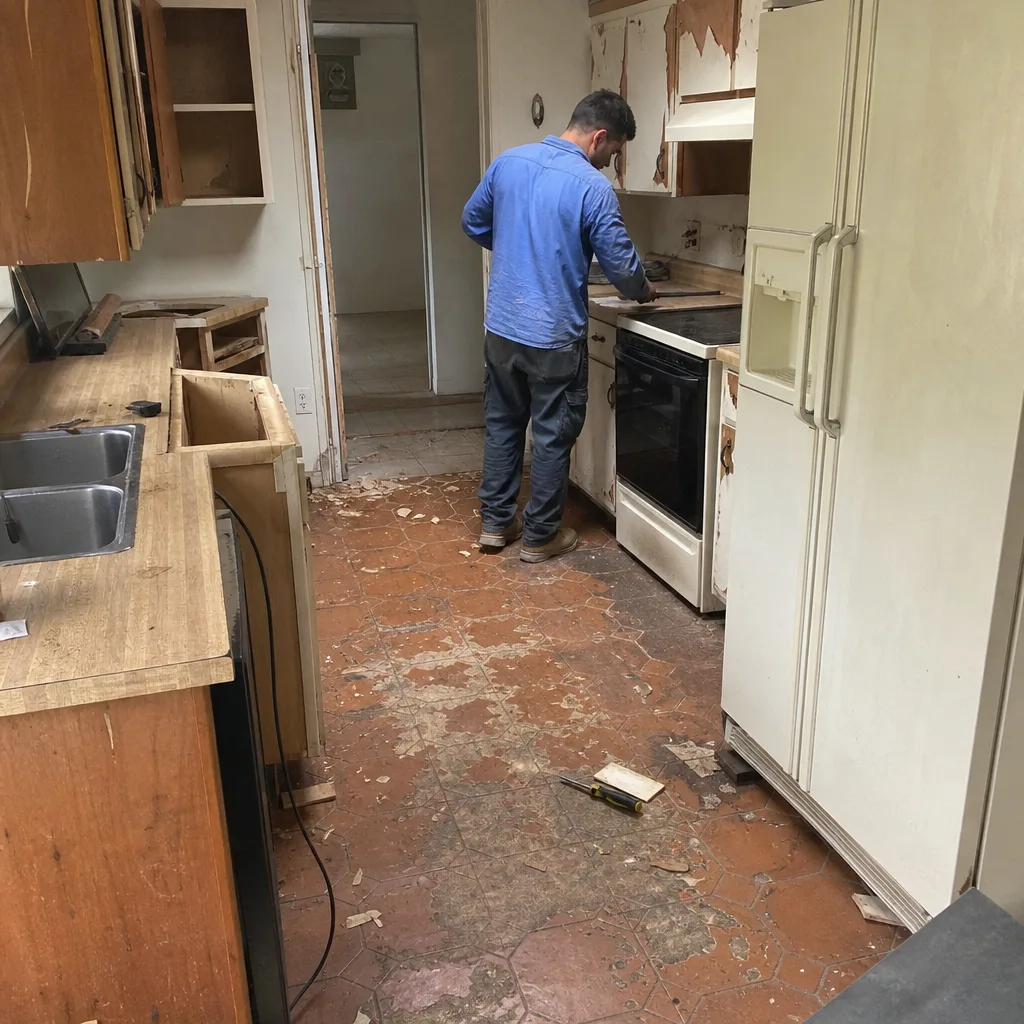
See the difference
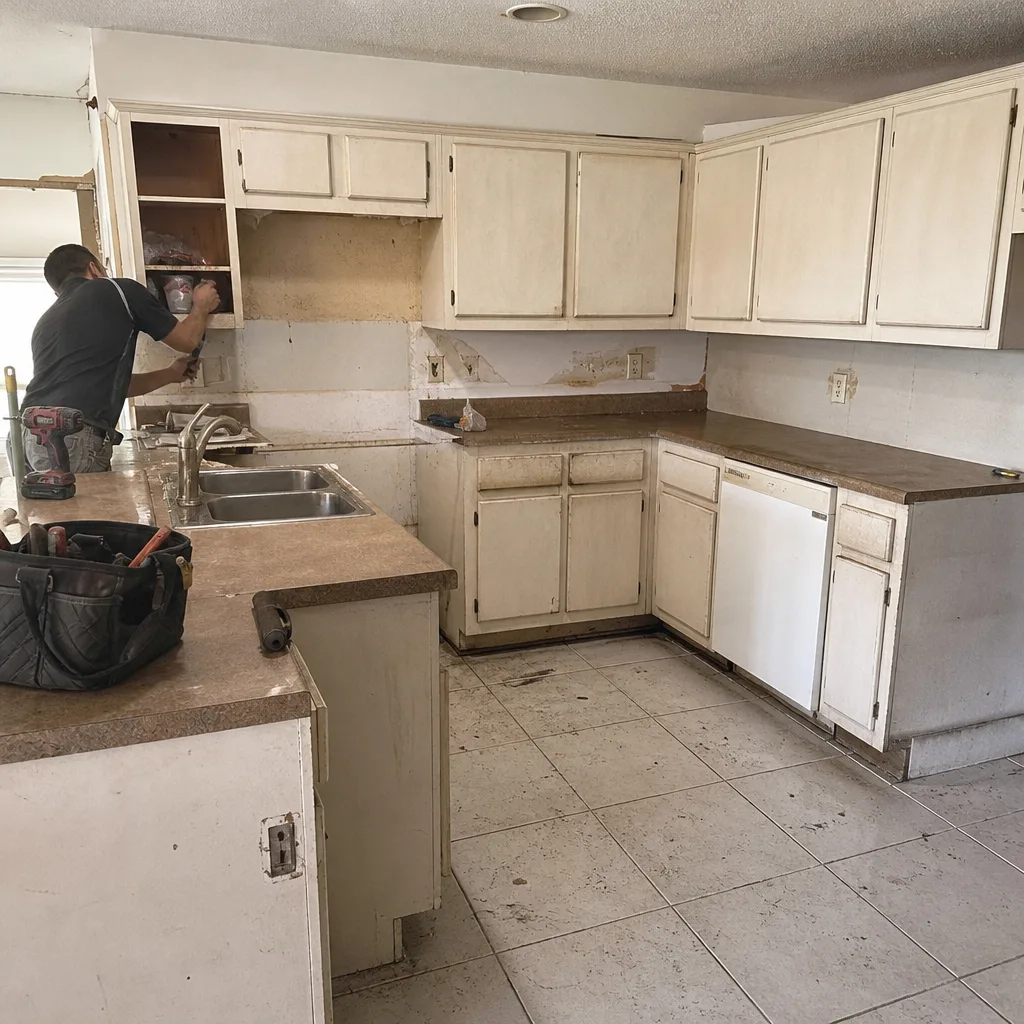 Before
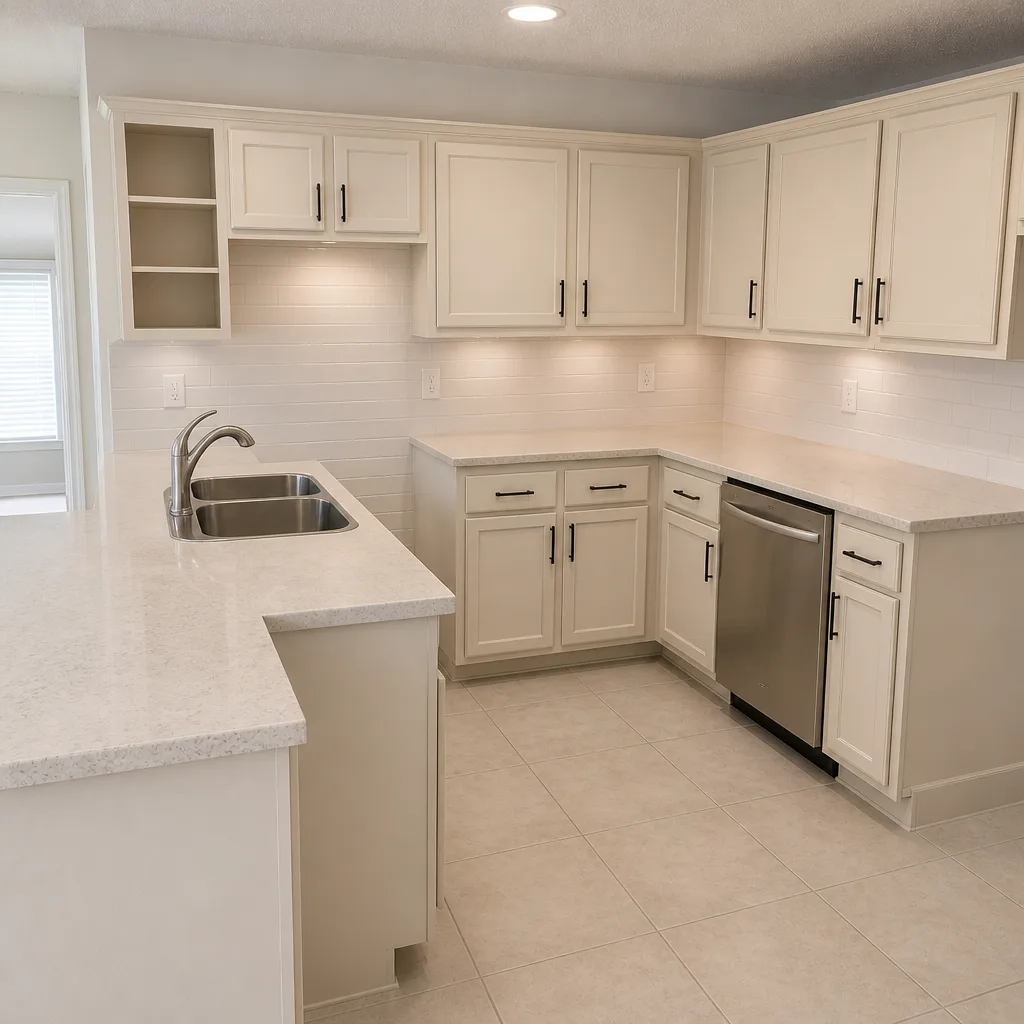 After
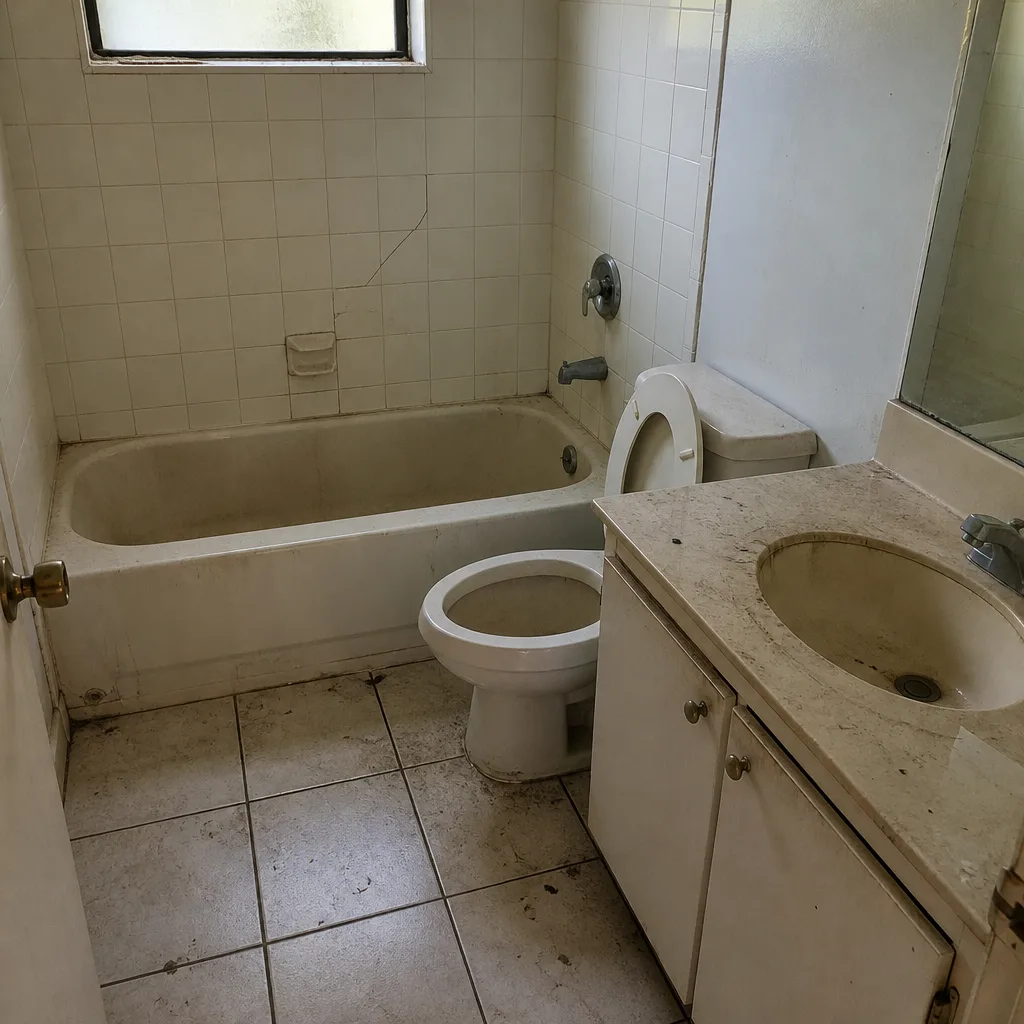 Before
 After
 Before
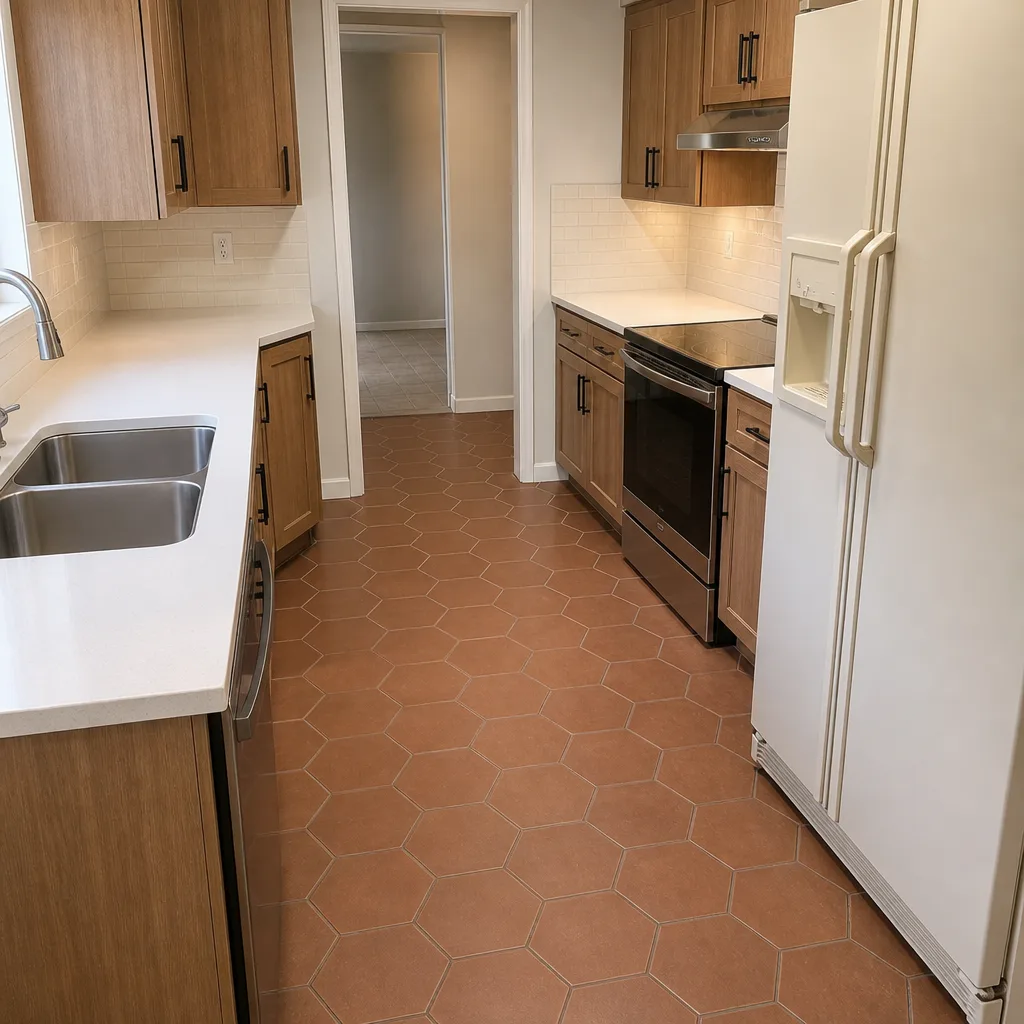 After
When to Call a Professional
Some of the work in this guide is a homeowner’s job, and some of it isn’t. Climbing onto a damaged roof, tending a half-finished wall, or installing an HVHZ-rated window are not one-person projects, and the time to involve a licensed professional is before you try. Call us when roof damage needs temporary weatherproofing and you need it documented properly. Call when a window, door or fence opening is exposed and needs a permanent replacement to code. Call when a project has stalled and the site needs to be stabilized and replaced with a documented scope, and call when you’re ready to plan the permanent repair against your insurer’s scope.
The Hammocks Construction offers free estimates in The Hammocks. We work across The Hammocks Construction services, handle permits and inspections, and give you a written line-item quote with fixed pricing and no change orders. Our technicians have up to 13 years of experience. Call (844) 797-9354 for a free estimate. We answer 24/7. Fast dispatch from 7am to 7pm, Sunday through Friday.
Whether your project is storm recovery or a planned upgrade like a home additions & ADU build or a new driveway & pavers install, one contractor from the driveway to the roofline keeps the scope and the records in one place. That matters most when the work is urgent and the stakes are high.
Frequently Asked Questions

Document the damage with date-stamped photos, then contact your insurer and arrange temporary weatherproofing by a licensed roofer before scheduling permanent repair. The documentation protects your claim and the temporary work stops further water damage. Call (844) 797-9354 for a free estimate. We answer 24/7. Fast dispatch from 7am to 7pm, Sunday through Friday.
Ask for the license number and check it against the state or county database before any work begins. A real contractor has the number ready and a certificate of insurance you can verify with the insurer directly. Both checks take under five minutes and they filter out the crews that will cost you the most.
The planning piece costs almost nothing: a photo audit, a binder and a contractor shortlist. The protective work after a storm is what carries cost, from several hundred for boarding and extraction to the low thousands for tarping and fence stabilization, and the written estimate on the actual job sets the final price. Call (844) 797-9354 for a free estimate.
Secure the site immediately so it’s weathertight and safe, photograph everything, and assemble your contract, payments and timeline. Then file a complaint with the licensing board that issued the contractor’s license and check the bond, since a bond can recover funds when a licensee defaults. Don’t wait for a callback. Call (844) 797-9354 to get the site stabilized and replaced with a documented scope.
The Hammocks sits inside the High-Velocity Hurricane Zone, so roofing systems, windows and doors must meet HVHZ product approval and installation requirements. A correct installation keeps the product’s rating, supports the manufacturer warranty, and avoids future claim problems. Our technicians install to the manufacturer’s spec and document the work.
Most policies cover reasonable steps taken to prevent further damage, so document the temporary work, keep receipts, and report it to your insurer. Don’t skip the temporary work while waiting for a permanent contract, and don’t sign a permanent repair before the damage is documented. Call (844) 797-9354 for a free estimate on the permanent repair once your scope is clear.
The Bottom Line
Construction emergency preparedness in The Hammocks comes down to two protocols, both built before anything goes wrong. First, a pre-season audit that documents your roof, windows, doors, fence and driveway as your insurance baseline. Second, a written sequence for what to do after damage or after a contractor walks: document, secure, file, replace. The five-minute license and insurance check after a storm catches almost everything that goes wrong, and a written line-item estimate protects you on the repair. Everything else, from the emergency fund to the household plan, is a matter of putting it on paper once and reviewing it every year. Call (844) 797-9354 for a free estimate. We answer 24/7. Fast dispatch from 7am to 7pm, Sunday through Friday.
Written by the team at The Hammocks Construction.