
Last updated November 17, 2026





Free written scope consultation - allowances, timeline, and change-order rules on paper before a single trade is scheduled
Construction Warning Signs: A The Hammocks Homeowner’s Reference Guide
A diagonal crack running from the corner of a door frame means something very different in The Hammocks than it does in a house up north. In a colder climate that crack is often just cosmetic movement. In a South Florida home built on fill soil near a canal, the same crack points to drainage or substrate movement underneath. The repair cost behind those two readings isn’t in the same universe. This guide is about reading your home through a Hammocks-specific lens: the limestone-and-clay soils, the year-round humidity and the HVHZ construction rules that shape how buildings here age. You’ll learn which signs mean surface wear, which mean base failure, and which ones skip the contractor conversation entirely and go straight to an engineer.
Quick Answer
In The Hammocks, the most reliable construction warning signs are diagonal wall cracks that keep widening, lifted ridge caps and exposed fasteners on the roof, paver areas that dip or rock underfoot, and white powdery staining on exterior block walls. Surface wear is cosmetic and slow. Base failure, moisture intrusion and substrate movement get worse every rainy season and cost far more the longer they sit.
Styles & brands we work with
- Kitchen remodeling
- Bathroom remodeling
- Home additions & ADU
- Roofing
- Windows & doors
- Driveway & pavers
- Fence
Table of Contents
- How Do You Tell Normal Cracks From Movement Cracks in The Hammocks?
- What Roof Warning Signs Matter Most on an HVHZ-Rated System?
- Pavers and Pool Decks: Base Failure Versus Surface Wear
- Why Efflorescence on The Hammocks Masonry Is a Signal, Not a Stain
- Windows and Doors: The Envelope Signs Homeowners Miss
- Warning Signs Around Additions, ADUs and Prior Work
- When to Call a Contractor First and When to Call an Engineer
- A Simple Warning-Sign Checklist for The Hammocks Homes
How Do You Tell Normal Cracks From Movement Cracks in The Hammocks?
Normal cracks are hairline, vertical or diagonal near a corner, and they stay the same width year after year. Movement cracks grow. That single test, tracking a crack’s width over a full wet and dry cycle, separates most cosmetic issues from the ones worth a professional look. We’ve watched enough South Florida homes age to trust that measure more than the crack’s appearance on any one day.
The reason is the ground. Much of The Hammocks sits on a mix of limestone and clay soils, and a lot of newer streets were built on fill soil. Clay swells when it’s wet and shrinks when the dry season settles in. Limestone underneath can carry solution channels that behave differently as groundwater shifts. A house on that combination moves in slow cycles that a colder, drier climate doesn’t produce in the same way. That’s why a diagonal crack at a door corner here deserves a closer look than the identical crack somewhere else.
Use this short test to sort what you’re looking at:
- Hairline, stable, no offset: typical of thermal expansion and normal curing. Note the date and move on.
- Diagonal, wider than a credit card edge, or one side of the wall pushed out past the other: likely substrate or foundation movement. Worth an investigation.
- Stair-step cracks running through mortar joints in block walls: often a soil settlement pattern. Don’t paint over it; get it looked at.
- Vertical crack that widens toward the top of a wall: can point to roof or beam loads distributing unevenly.
- Cracks that show up inside a few weeks of a heavy rain stretch or a new neighbor’s site work: changes in drainage nearby often show up in walls first.
Write the date on both ends of a suspect crack with a pencil, and check the width again after the wet season. If the pencil marks have separated or the crack has grown, treat it as an active sign, not a settled one. When a crack is new, wide, or paired with a sticking door, a sloping floor or a window that suddenly won’t latch, that’s the point to call for a look rather than to keep watching.
What Roof Warning Signs Matter Most on an HVHZ-Rated System?
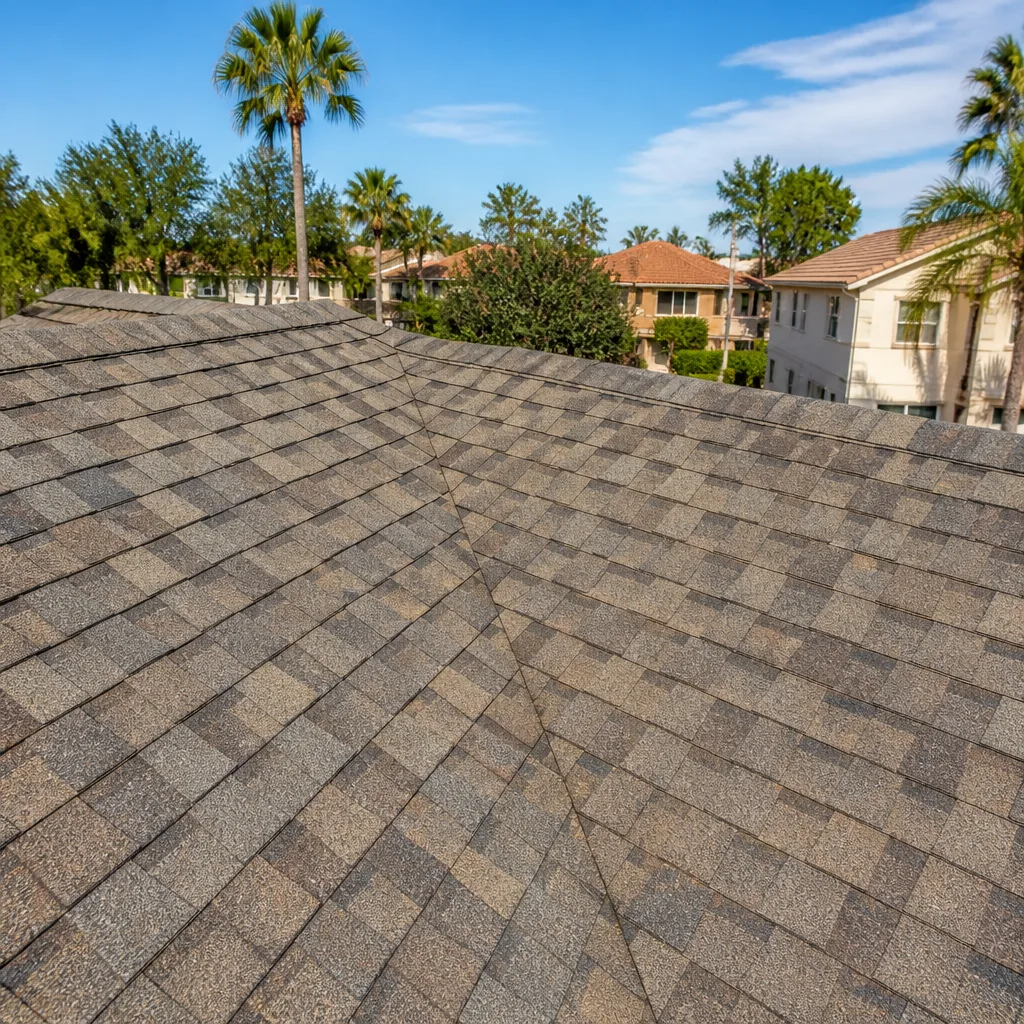
In our area, roofs are built and permitted to High Velocity Hurricane Zone standards, which means the materials and the fastening pattern are designed for wind. A system built to that standard still fails if its details fail, and the details are exactly what homeowners overlook. Most of the meaningful warnings are at the edges and the penetrations, not in the middle of the field of shingles.
Watch for these four things, in the order they tend to appear:
- Lifted or curled ridge caps. The caps along the peak take the most wind and sun. When they lift, the wind can start working its way under the field of the roof.
- Exposed or backed-out fasteners. A nail head that’s visible means the shingle above it isn’t holding it. Look along, but not on, the roof surface from the yard with binoculars. Stay off the roof to inspect it yourself.
- Failed sealant at penetrations. Pipe boots, vent stacks and any roof-to-wall junctions rely on a mechanical seal plus sealant. In steady humidity and strong sun, caulk lines dry and crack. That’s where leaks start.
- Granule loss and dark streaks low on the slope. Granule loss shows as bare patches or grit in the gutters. Dark streaking tends to be algae, not failure, but it can hide a wet deck underneath.
Interior signs complete the picture. A brown ring on a ceiling, a stain that grows after a heavy rain, or a dark patch on sheathing seen from the attic are all signals that water is already inside the assembly. On the roof of a The Hammocks home, that’s a repair now problem, not a next-year problem.
Roof work is height work, and it’s dangerous. Don’t walk a wet pitch to look at a lifted cap. Our technicians have up to 13 years of experience and we work only with trained installers, which is also why we tell people to look from the ground and put a professional on the roof. Our roofing work is set up to the manufacturer’s spec, which matters because the warranty on a GAF, CertainTeed or Owens Corning system depends on proper installation as much as on the material.
Pavers and Pool Decks: Base Failure Versus Surface Wear
Surface wear on a paver is cosmetic. Base failure is structural, and on a pool deck it’s also a trip and drainage issue. The visual difference comes down to movement versus color and texture. If the pavers are moving, rocking, dipping or pumping water when you walk, the problem is underneath them, not on them.
Here’s how the two usually read in The Hammocks:
- Surface wear: fading, chalking, dark biological staining, small chips at edges, sand washed out between joints but the pavers are firm and level. Usually solved by cleaning and re-sanding.
- Base failure: pavers that rock when you step on them, a dip you can see in the reflection of standing water, uneven joints that open and close, or a paver area that has settled against the house.
- Drainage failure: water pooling in a spot that used to drain, or water draining toward the house instead of away. This one is easy to spot after a summer storm and easy to forget by the next morning.
Base failure typically traces to an in-place base that wasn’t compacted enough, or a base that’s been undermined by water. That second cause is common here, because intense rain over clay and fill soil finds the weak spot fast. Pool decks are more complicated than they look. The deck has to shed water away from the pool and the house while staying level enough to walk safely, and that’s a design question, not just a material one.
Good pavers don’t fix a bad base. This is why the material matters, but the compaction and drainage under it matter more. When we specify pavers we lean on commercial-grade suppliers like Techo-Bloc, Cambridge Pavers or Oldcastle so the surface holds up, and we work edging and joint sand with the same attention, because a top-grade paver on a loose base will still wander. If your deck or driveway & pavers are starting to rock, that’s a base question worth a look before the next rainy season moves it further.
Why Efflorescence on The Hammocks Masonry Is a Signal, Not a Stain
That white, powdery bloom on a block wall or along a foundation line is efflorescence, and it means water is moving through the masonry. It’s salt deposits left behind when moisture travels through the wall and evaporates on the surface. On a cool dry day it may look cosmetic. In a climate with humidity like ours, it’s a signal that water is getting in somewhere and needs a place to get out.
The cause is usually one of a few things. A watering schedule that keeps the wall wet. A sprinkler head throwing water at the house. Poor grading that sends runoff toward the foundation instead of away. A missing or failed sealant at a window, a hose bib or a wall penetration. Sometimes it’s rainwater splash coming off an un-guttered roof line. The bloom is just the visible part.
What makes The Hammocks homes trickier is that the dry season stops the visible sign. The bloom calms down, the wall looks fine, and the moisture path stays open underneath. By the time the next wet season starts the same spots reappear, sometimes with paint blistering or efflorescence on the interior side of the same wall. Look at it this way:
- Efflorescence on its own usually points to a moisture source you can find and correct.
- Efflorescence plus paint failure means moisture is getting behind the coating, not just on it.
- Efflorescence plus a musty interior smell or peeling inside a wall means the moisture path is inside the assembly and needs to be traced.
- Efflorescence plus efflorescence-colored crystals higher on the wall points to water coming from above, which usually means a roof or flashing issue.
Find the source before you seal. A vapor-tight coating over a wet wall traps the water and accelerates spalling. A simple flow test during a heavy rain, watching where water goes on the exterior face, often points two or three causes at once. That’s the kind of survey worth doing once and correcting together.
Windows and Doors: The Envelope Signs Homeowners Miss
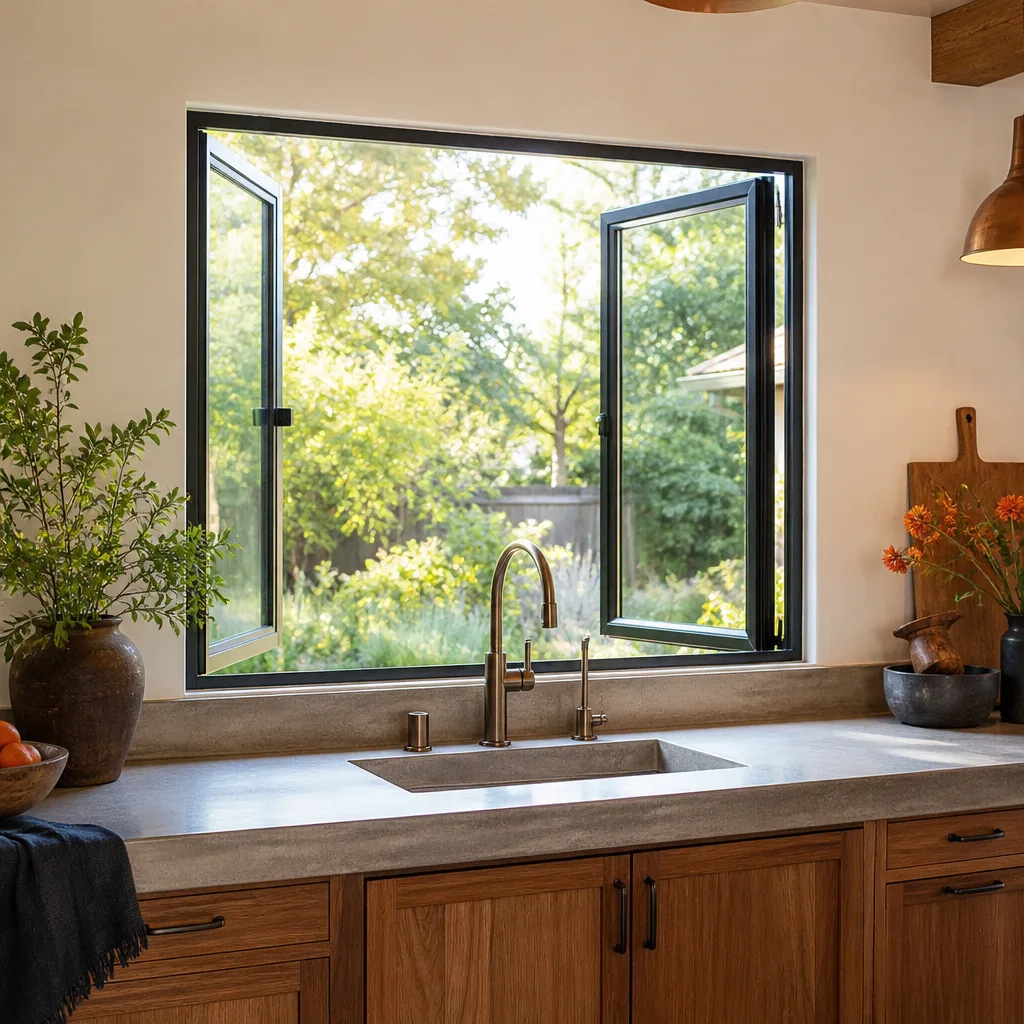
Windows and doors rarely fail all at once. They telegraph a problem first, and the signs usually appear at the perimeter, where the opening meets the wall. Watch the corners of the frame after a hard rain. A dark line, a drip, or paint that has bubbled at the interior trim means water is finding a way past the seal. On impact-rated openings, the frame and sealant matters as much as the glass.
Signs worth jotting down around The Hammocks homes:
- Sticking or dragging doors and windows that didn’t stick before. Sometimes it’s a settling frame. Sometimes it’s a dynamic head deflection issue on a large opening. Either way, a door that changes behavior is telling you something.
- Water tracks or staining at the sill after a rain. This is often a sill pan or a sealant failure, not a window-body failure.
- Fog in a sealed unit means the seal has been breached and the insulating gas is gone. It’s a replacement or reseal question, depending on the unit.
- Caulk that has pulled away cleanly from the frame instead of cracking. A clean pull means the original bond never held correctly.
- Mildew reappearing at the same interior corner regardless of cleaning. That’s air leakage or a moisture path, not a housekeeping problem.
This is also where window and door materials earn their keep. A properly installed window with a well-sealed perimeter lasts decades. A high-quality window with a sloppy perimeter seal is a leak waiting on a storm. When we schedule a window job we treat the flashing and the sealant as part of the product, not as an afterthought.
Warning Signs Around Additions, ADUs and Prior Work
An addition or an ADU introduces new warning signs of its own, and they usually show up at the seam where the new construction meets the old. That seam is where two separate structures have to move together, drain together and connect to the same envelope. If anything is going to misbehave, it’s there.
What to look at:
- The tie-in wall. Any crack, separation, efflorescence or stain along the connection between new and existing walls needs attention before it becomes an interior problem.
- The roof transition. New roof planes meeting old ones create valleys and flashings. Water pools where slopes and materials change, so check the underside of the ceiling of the room below during heavy rain.
- The floor transition. A small step or a slope where a new slab meets the old one can be normal. A growing gap is a soil or compaction signal.
- Utility penetrations. Any point where plumbing, electrical or AC lines pass from new to old is a place where sealant and flashing are doing structural work.
- Site drainage. A new structure changes how water moves across a lot. Watch the grading around the addition during and after a heavy rain.
ADUs come in two broad flavors that fail differently. Prefab and modular units from brands like Abodu, Dvele, Mighty Buildings, Boxabl or Plant Prefab arrive with their envelope built in a controlled setting, so the risk shifts to the site connection, foundation and utility tie-ins. Site-built additions spread the risk across the whole envelope and framing sequence. Both approaches are workable. Both reward a homeowner who knows what to check at the connection points. If you’re still in the planning phase of an addition, our home additions & ADU work pairs the site survey and the design detail so the seam is designed, not improvised.
When to Call a Contractor First and When to Call an Engineer
Most warning signs in a The Hammocks home start with a contractor. A few of them should start with a licensed structural engineer, and knowing which is which can save real money. The dividing line is simple: if the question is “what is the cause and is it active,” an engineer answers it. If the question is “how do we fix and replace it,” a contractor answers it.
Call a contractor first when the sign is:
- A roof leak, lifted cap, or failed sealant at a penetration.
- A window or door that needs resealing, replacing or re-hanging.
- A paver area that’s rocking, dipping or draining toward the house.
- Efflorescence you can trace to a sprinkler, downspout or grading issue.
- A fence that’s leaning after a storm or has started to rot at the base.
Call a structural engineer first when the sign is:
- A diagonal or stair-step crack that’s actively growing, or a wall that’s visibly leaning.
- A floor that has developed a noticeable slope or a hollow-sounding spot.
- A door or window opening that has changed shape enough that the frame is out of square.
- Any part of a home where you suspect the foundation or the soil under it is moving.
A contractor can usually point you to an engineer’s report when one is needed, and can act on the engineer’s recommendations afterward. That sequence is worth following. Skipping the engineer on a substrate question means a cosmetic repair may hide a problem that will return. Skipping the contractor on a surface question is time and money spent on a report that says what a trained eye could already tell you. Either way, get a written scope and a written estimate before work begins.
A Simple Warning-Sign Checklist for The Hammocks Homes
The best time to inspect a The Hammocks home is twice a year, once in the wet season and once in the dry season, so you have a comparison. Walk the exterior with a notepad and check each of the following in order. It takes about 45 minutes and it produces a record you can hand to a contractor when the time comes.
- Walls and corners. Look for cracks, efflorescence, blistering paint and dark streaks below windows and roof lines.
- Roof edges and ridge. From the ground, check for lifted caps, exposed nail heads, perished boot seals and dark streaks low on the slope.
- Gutters and downspouts. Confirm they’re attached, clear and discharging away from the house, not at the foundation.
- Window and door perimeters. Check interior corners and sills for water stains or soft caulk after a rain.
- Driveway, walkway and pool deck. Walk the surface with a straight edge of your eye along the joints. Note dips, hollows and any paver that rocks underfoot.
- Grading and drainage. Look at where storm water actually goes. If it flows toward the house, fix the grading before the next storm finds it.
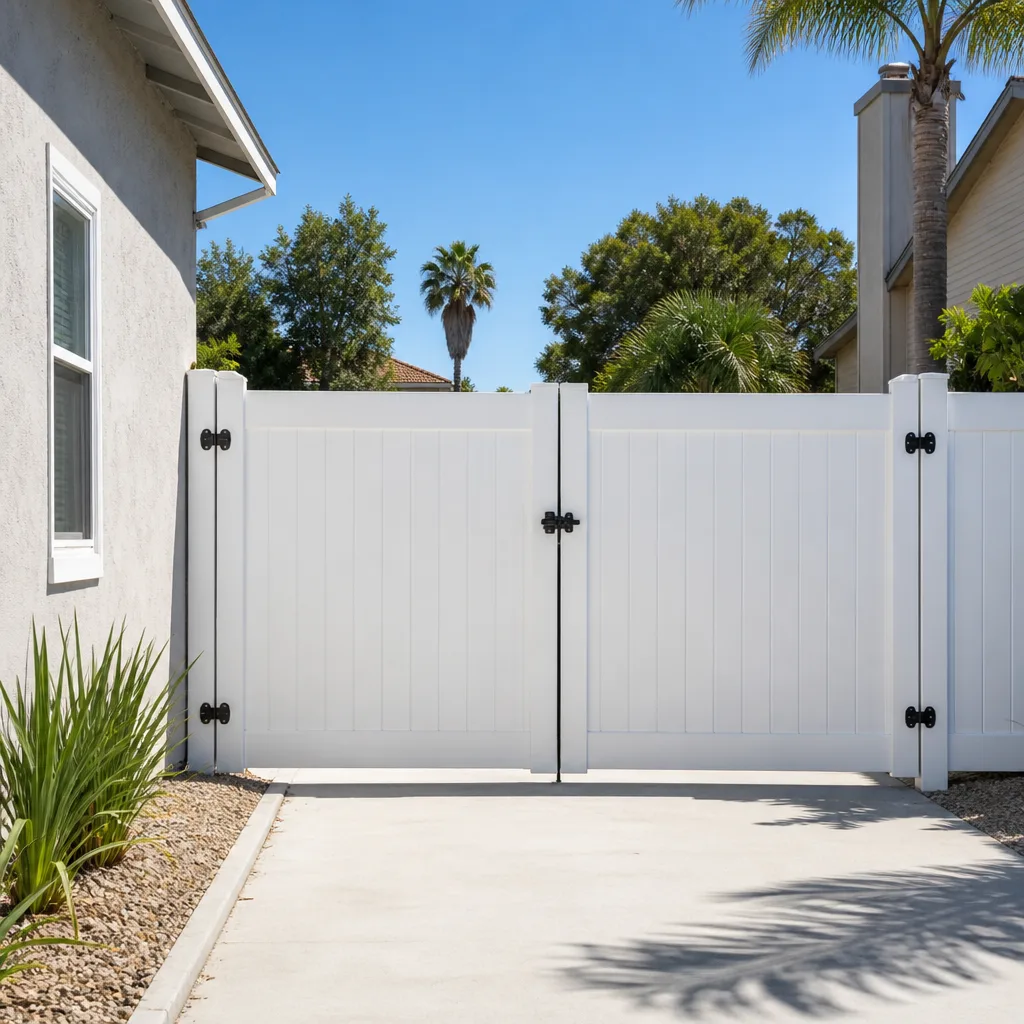
- Fence and gate. Check posts for lean, rot at the base, and gates for sag that wasn’t there before.
- Any addition or ADU. Check the tie-in wall, the roof transition, the floor seam and the utility penetrations.
Take photos with a coin taped next to any crack for a size reference. Compare photos year to year. The changes are what matter most, and a photo record is the cheapest thing you can do to protect a home’s value. Our fence installation work often turns up exactly this kind of evidence when a homeowner is already up close to the perimeter of the property.
Common Mistakes to Avoid
- Painting over a wet-wall stain. A coating traps moisture in the block. The bloom stops for a season, then returns worse, often with paint failure spread across a larger area. Find the source first.
- Sanding and re-sanding pavers on an unstable base. Joint sand cannot hold a base that’s moving. If the pavers rock, the fix is below, not between, them.
- Assuming a roof is fine because it’s only a few years old. Age isn’t a condition report. A two-year-old roof with a lifted ridge cap and exposed fasteners is a bigger problem than a twenty-year-old roof with intact details.
- Treating every diagonal crack as cosmetic. In a Hammocks home built on fill soil or near a canal, a diagonal crack at a door corner might be a drainage or substrate investigation waiting to happen.
- Sealing a pool deck before the drainage is right. Sealant holds water on a surface designed to shed it. If water pools after a storm, the pitch of the deck is the question.
- Skipping the engineer because a contractor said they can “take care of it.” On foundation questions, a contractor who isn’t an engineer shouldn’t be diagnosing whether the soil is the cause.
- Waiting until after the rainy season to look. Signs are most visible during and immediately after heavy rain. The dry-season calm is the least informative time to inspect.
See the difference
 Before
 After
 Before
 After
 Before
 After
When to Call a Professional
Call a professional when a crack has grown, a roof detail is visibly lifted, a paver area has started to rock, a window or door leaks after a rain, or a stain on a wall or ceiling keeps returning. Act sooner if any of those signs appear alongside a sticking door, a sloping floor or a musty smell inside a wall. Those combinations suggest water or movement inside the assembly, and the longer they run, the more the repair involves. The Hammocks Construction offers free estimates in The Hammocks; call (844) 797-9354 to schedule one. Our technicians have up to 13 years of experience, our work is built to the manufacturer’s spec, and the written estimate is the price we work to. If you’re not sure whether you’re looking at a contractor issue or an engineer issue, we can help you decide which first step makes sense.
Frequently Asked Questions
No. A hairline diagonal crack at a door or window corner that stays the same width for a year is usually normal curing and thermal movement. The crack to take seriously is one that’s growing, wider than a credit card edge, or accompanied by a door that won’t close. In The Hammocks, the presence of fill soil and clay-rich ground raises the stakes on any diagonal crack that keeps widening, so track it across both seasons before you assume it’s cosmetic. Call (844) 797-9354 for a free estimate if you want a trained eye on it.
Base failure means the pavers move underfoot, rock, dip or hold standing water. Surface wear means the pavers are firm and level but show staining, fading or missing joint sand. Test by stepping across the surface during a walk, then look at the joints to see whether they open and close. If the base is the problem, re-sanding won’t hold; the base has to be corrected. Call (844) 797-9354 to schedule a free estimate.
That’s efflorescence, and it returns because the water source behind it hasn’t been corrected. Sprinklers hitting the wall, poor grading, a leaking downspout or a sealant gap at a penetration are common causes. Once the path is closed off, the bloom stops coming back. Sealing over it without finding the source traps moisture and usually makes it worse. Call (844) 797-9354 for a free estimate and we’ll walk the exterior to trace it.
Lifted or curled ridge caps, exposed or backed-out fasteners, and failed sealant at pipe boots and wall transitions are the three we see most. These matter more here than in milder climates because roofs are built to High Velocity Hurricane Zone standards and the details are what carry the load on wind. If you also see an interior ceiling stain or attic sheathing discoloration, treat it as active water entry. Call (844) 797-9354 for a free estimate.
Call a contractor first for roofs, windows, doors, pavers, fences and efflorescence. Call a structural engineer first for growing diagonal or stair-step cracks, a visibly leaning wall, a sloping floor, or any sign you suspect is tied to the foundation. The engineer answers what’s causing it; the contractor answers how to fix it. In many cases a contractor can make the engineer referral when the diagnosis calls for one. Call (844) 797-9354 if you’re not sure where to start.
Yes, and it’s usually more expensive for a different reason than most homeowners expect. The visible sign gets worse, but more importantly, the damage path widens: water that started at a sealant gap can reach framing, and a paver dip that began in the base can undermine a larger area of the deck. Both mean the written estimate is covering more work than it would have six months earlier. The season doesn’t change it; the spreading does. Call (844) 797-9354 for a free estimate before the next wet season.
The Bottom Line
The warning signs that matter most in a The Hammocks home aren’t the loudest ones; they’re the ones that spread. A crack that stays the same width is usually cosmetic. One that grows through a wet-dry cycle, a roof detail that’s lifted, a paver area that rocks, efflorescence that keeps returning through a wall, a window sealant that’s given up: those are the signs that get more expensive the longer they wait. Read your home twice a year, compare photos, and get a written estimate on anything that’s changing. That’s the cheapest maintenance you’ll ever do. When a sign does need a professional, we’re here to look at it honestly and tell you what it needs.
If something on this list looks like your home, call The Hammocks Construction at (844) 797-9354 for a free estimate. We answer 24/7, fast dispatch from 7am to 7pm, Sunday through Friday. Our technicians have up to 13 years of experience, we hold the manufacturer relationships to install to brand spec, and we’ll tell you plainly whether you’re looking at a contractor job or an engineer referral. One contractor from the driveway to the roofline, and a written estimate that sets the price before work starts. If you’d like to see how we approach the exterior and structural sides of a home, start with The Hammocks Construction and we’ll take it from there.
Written by the team at The Hammocks Construction.