Last updated November 17, 2026
Free written scope consultation - allowances, timeline, and change-order rules on paper before a single trade is scheduled
DIY vs Professional Construction: The The Hammocks Homeowner’s Decision Guide
Most guides to DIY versus hiring a contractor are written as if the only variable is your skill level. That framing falls apart the moment you live in The Hammocks. Here, the deciding factors are often permit eligibility, HOA architectural review, and Miami-Dade’s High-Velocity Hurricane Zone code, which legally restricts who can perform certain work no matter how capable you are with tools. A homeowner who is genuinely handy can still be barred from pulling a permit for a roof or a structural change. This guide walks through exactly where that line sits in The Hammocks, which projects reward a skilled do-it-yourselfer, which ones can cost you your insurance coverage, and how to run the break-even math on the borderline jobs.
Quick Answer
In The Hammocks, DIY is realistic for cosmetic and non-structural work like interior painting, minor stucco patching, paver resetting on your own lot, and landscaping hardscape. It is generally not an option for roofing, structural additions, window and door replacement, or any electrical and plumbing work that requires a licensed trade, because Miami-Dade code and HVHZ product-approval rules require a licensed contractor and inspections. Getting this wrong exposes you to stop-work orders, failed inspections, voided manufacturer warranties, and insurance complications at claim time.
Styles & brands we work with
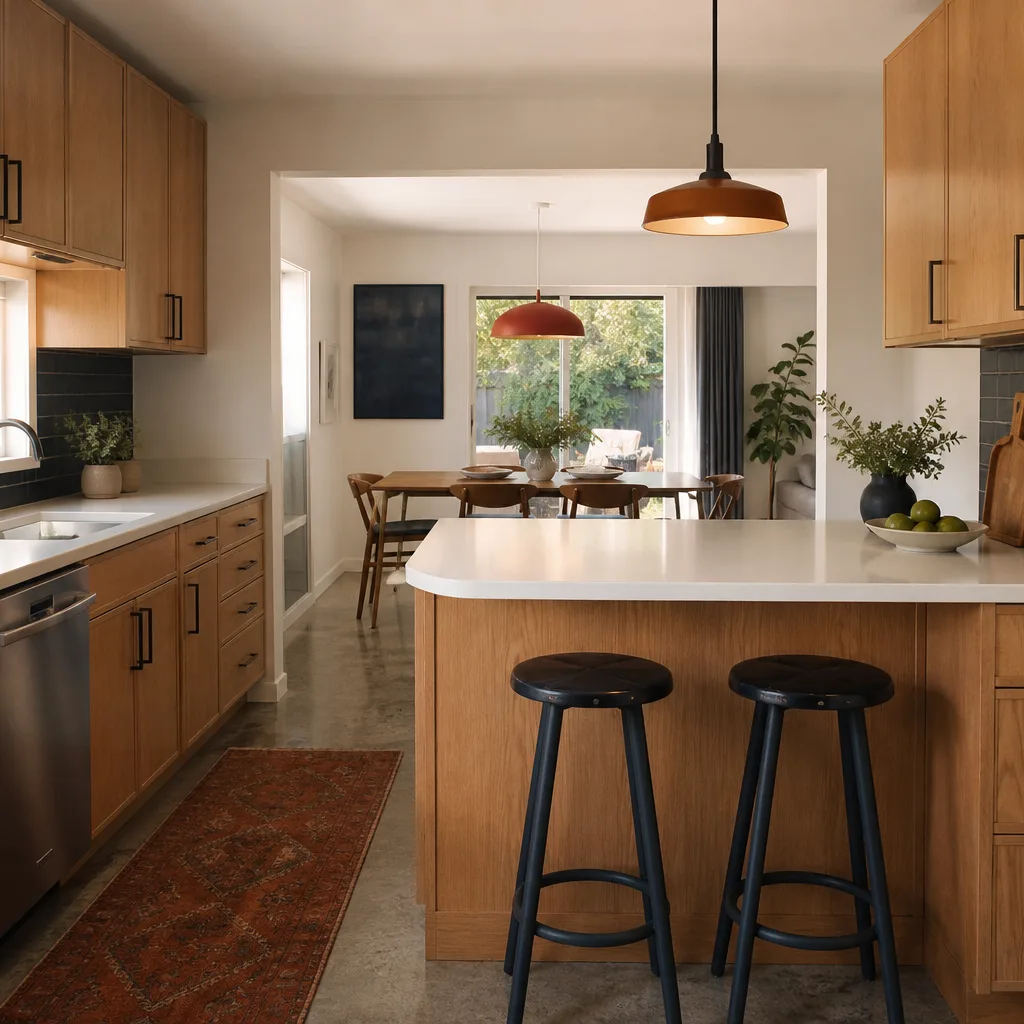
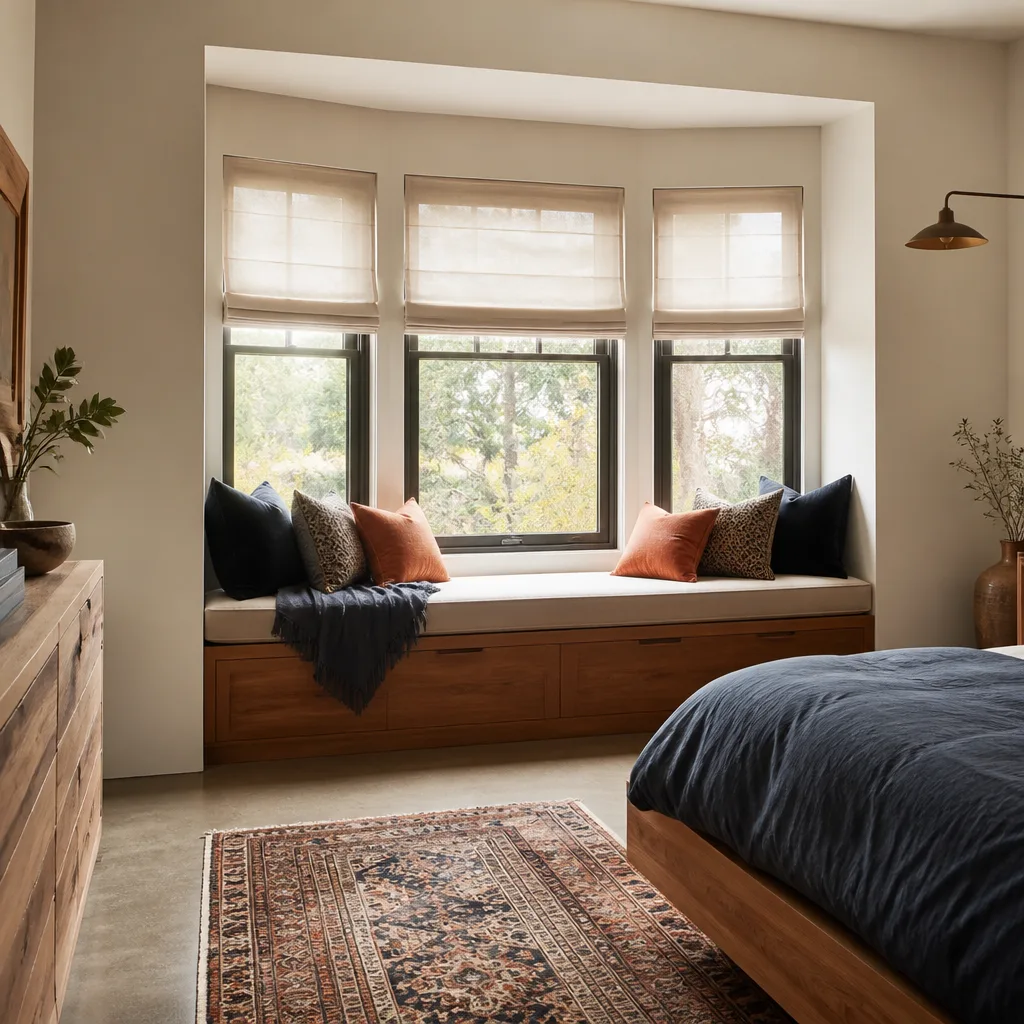
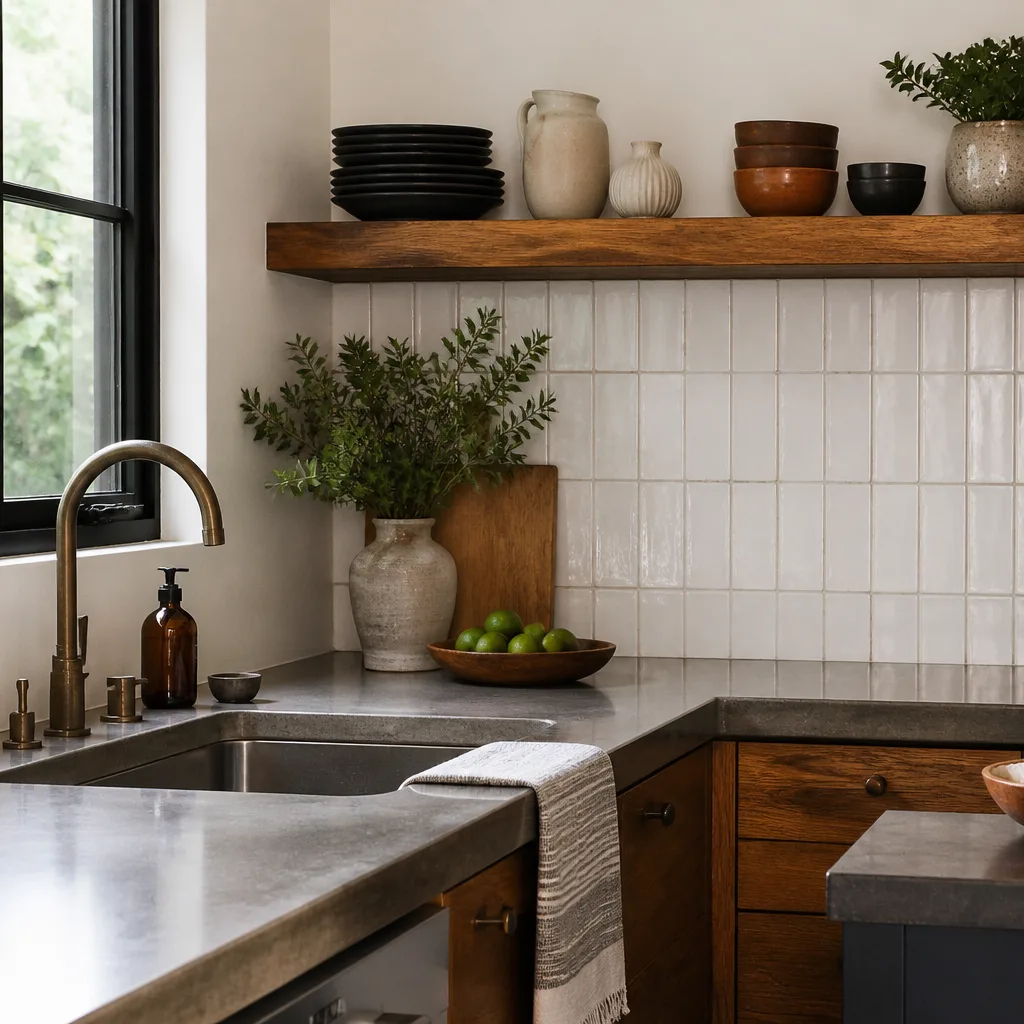
- Kitchen remodeling
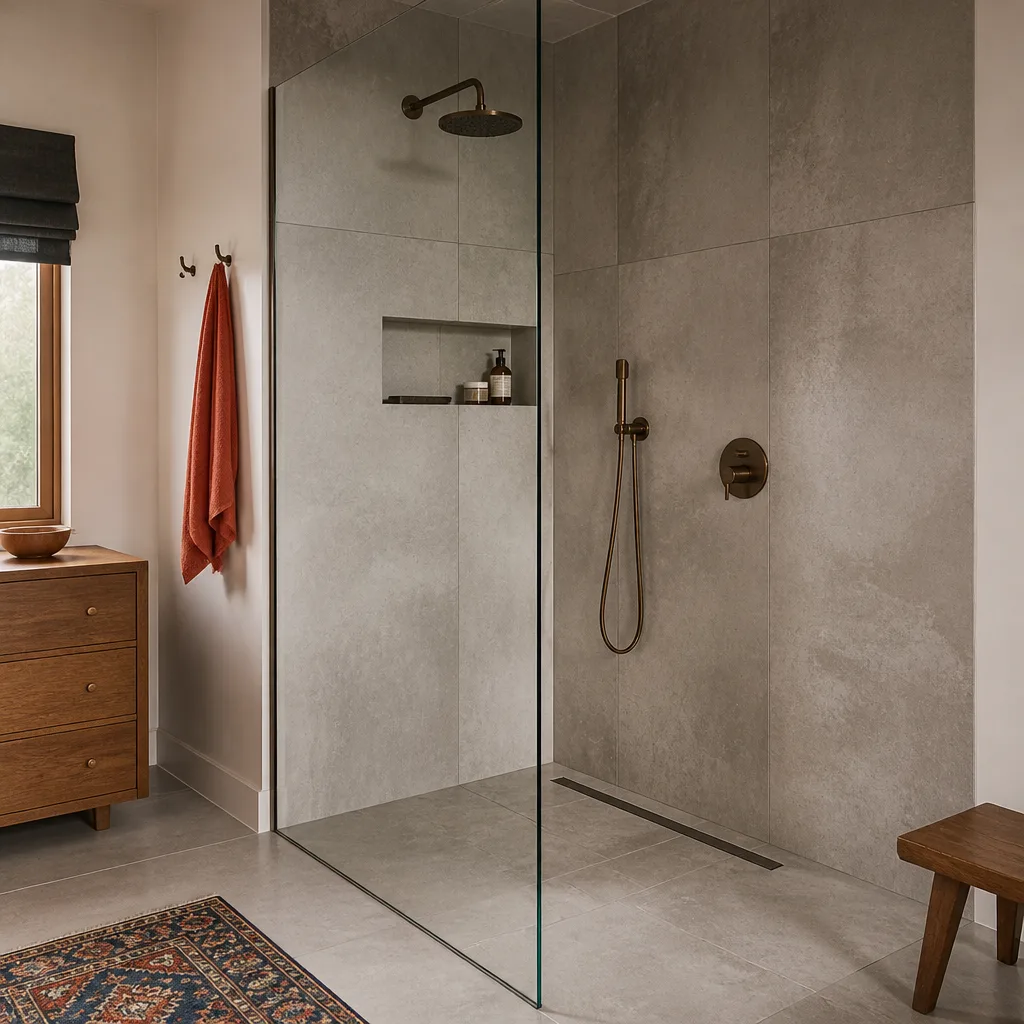
- Bathroom remodeling
- Home additions & ADU
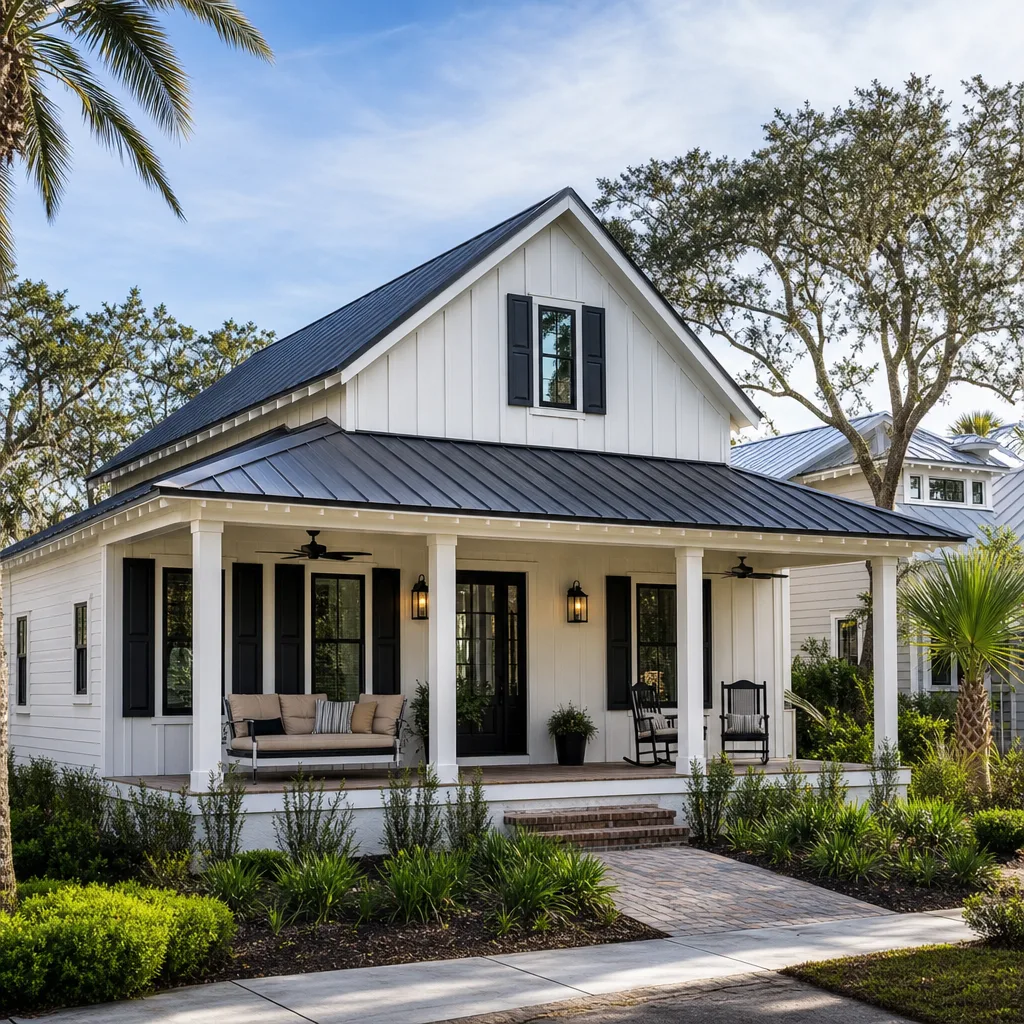
- Roofing
- Windows & doors
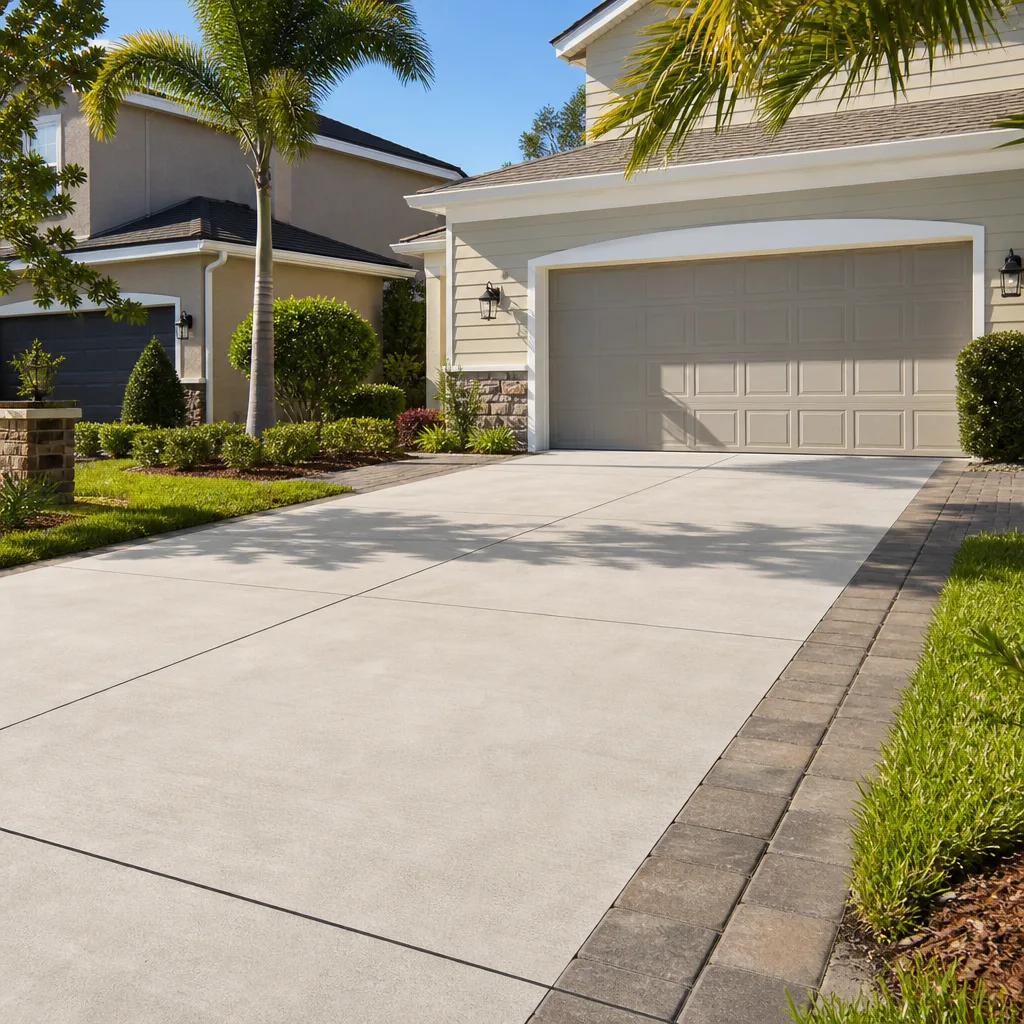
- Driveway & pavers
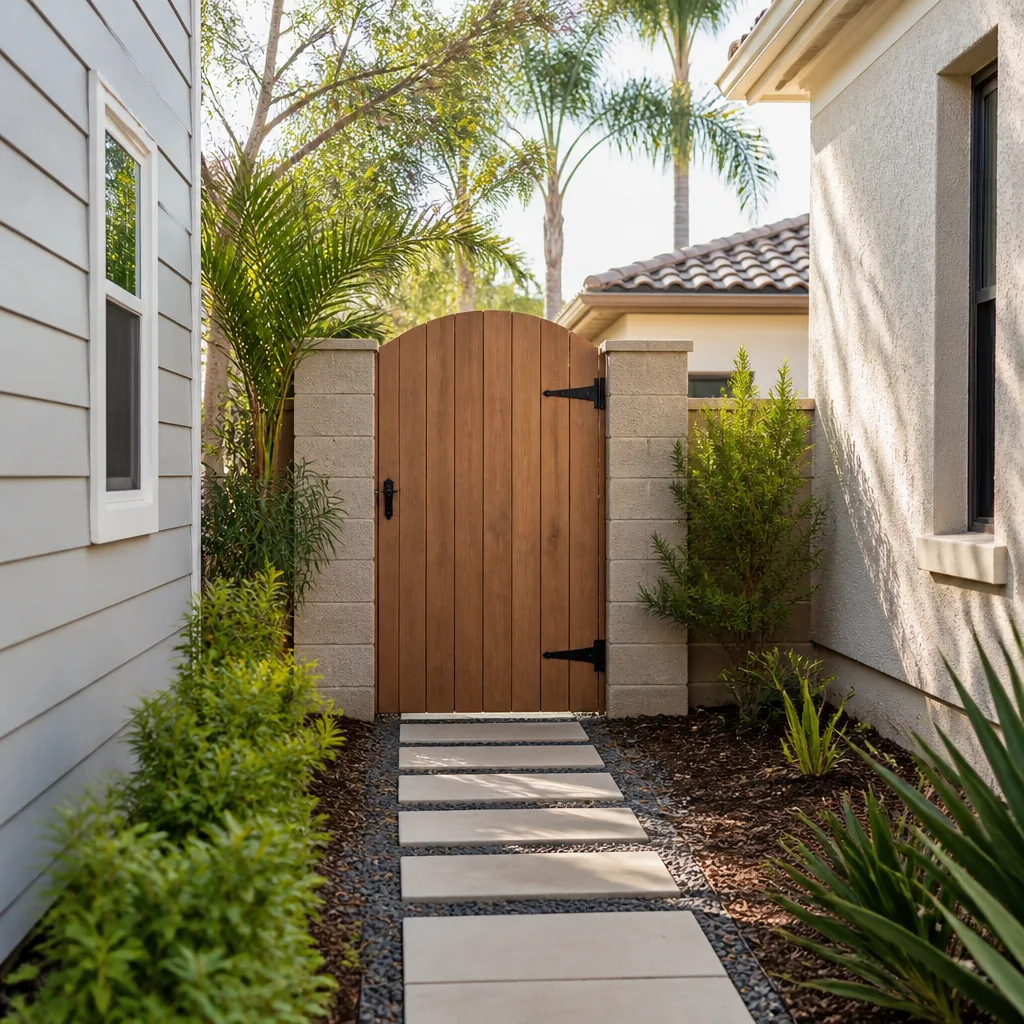
- Fence
Table of Contents
- Where Florida Law Draws the DIY Line
- HVHZ Code and Why It Changes the Math
- HOA Enforcement in The Hammocks: What Actually Gets Flagged
- Projects Where Skilled DIY Genuinely Works Here
- How Unpermitted Work Affects Insurance and Resale
- The Break-Even Math for Borderline Projects
- The Permit and Inspection Steps That Still Apply to DIY
- How to Vet a Contractor for The Hammocks Work
Where Florida Law Draws the DIY Line
Florida law lets homeowners perform some work on their own primary residence, but the permission is narrower than most people assume, and it does not survive the moment the work touches structural, life-safety, or wind-load systems. The practical rule in The Hammocks is this: you can usually act as your own contractor for finish work and minor repairs, but regulated trades and structural scope require a licensed professional.
Here is the breakdown that matters most for homeowners in The Hammocks:
- Roofing: Prohibited as owner-performed work under HVHZ requirements. Roofing is a licensed trade, and the product approvals and inspection sequence are tied to a licensed contractor’s permit.
- Structural changes and additions: Require engineered plans, a licensed contractor, and inspections at multiple stages. You cannot self-perform the structural scope.
- Electrical, plumbing, and mechanical: Licensed trades only. This includes panel work, new circuits, gas lines, and fixture relocations that involve moving supply or drain lines.
- Window and door replacement: Product approval and installation method are code-regulated in the HVHZ, and the permit is tied to a licensed installer.
- Interior cosmetic work: Painting, trim, tiling over an existing sound substrate, and similar finish work are typically within homeowner reach, subject to local permit thresholds.
If you take one thing from this section, take the roofing point. A homeowner who reroofs a house elsewhere in the country may save real money. Doing the same in Miami-Dade without a licensed contractor puts you in front of a stop-work order, mandatory removal of the work, and a lien risk on the property. The savings evaporate and the exposure compounds.
HVHZ Code and Why It Changes the Math
The High-Velocity Hurricane Zone is not a marketing label; it is a regulatory designation that governs how building products are tested, approved, and installed across Miami-Dade and Broward. In The Hammocks, almost every exterior system you touch – roof covering, windows, doors, shutters, and often the attachment of hardscape elements – falls under HVHZ product-approval and inspection requirements. That has two consequences for the DIY decision.
First, the product itself has to carry the right approval for the application, and the installation has to follow the manufacturer’s approved method. A window that is fine in another state may not be an approved assembly here, and even an approved product installed off-spec fails inspection.
Second, the inspection sequence is built around a licensed contractor’s permit. You cannot inspect your way around the licensing requirement, because the permit itself is the gate. This is why “I’ll just do it and skip the permit” is a particularly bad bet in The Hammocks: the unpermitted work is discoverable at resale, at insurance claim time, and during any future permitted project that requires an inspection of the envelope.
For homeowners weighing a roof or window project, the honest framing is that HVHZ compliance is a reason to choose the right contractor, not a reason to avoid the work. We work with roofing manufacturers including GAF, CertainTeed, and Owens Corning so the material selection matches the warranty and architectural style, and we install siding systems like James Hardie that hold up to the local sun and rain exposure. Built to the brand’s spec is the standard the inspection actually tests.
HOA Enforcement in The Hammocks: What Actually Gets Flagged
The Hammocks is a large, HOA-governed community, and the enforcement reality is more specific than homeowners expect. In our experience, architectural review violations in The Hammocks tend to cluster around a handful of triggers rather than everything at once. Knowing the triggers saves you from a violation letter, a stop-work demand, and the cost of undoing work you already paid for.
The things that most often draw attention and review:
- Visible exterior color and material changes – a fence stain, a new paver color, a repainted stucco elevation that doesn’t match the approved palette.
- Fence height, style, and placement – even when the fence meets code, the community’s architectural standards frequently regulate the style and where it sits on the lot line.
- Additions and ADUs – any new footprint, roof line change, or detached structure triggers architectural review before the building permit is even considered.
- Driveway and paver replacements – a change in paver pattern or border color is a visible alteration that the review process wants to see in advance.
- Visible equipment and screening – pool equipment, generators, and similar items where the community requires screening.
The practical sequence for any exterior project in The Hammocks is review first, permit second, build third. Ask the community’s architectural review committee what the submission package requires before you buy materials. We’ve seen homeowners reverse the order and end up resubmitting or removing work. When we handle fence installation or a paver replacement, the material and style conversation happens with the review standards in hand, so the approved choice and the installed choice are the same.
Projects Where Skilled DIY Genuinely Works Here
None of this means The Hammocks is a no-DIY zone. A capable homeowner who respects the permit thresholds and the HOA process can absolutely handle a meaningful list of projects. The key is to separate the activities that are truly within reach from the ones that only feel within reach because the YouTube version made them look simple.
Where skilled DIY is genuinely viable in this market:
- Interior painting and trim. Low risk, no permit, no HVHZ exposure. Prep and product choice matter more than technique.
- Minor stucco patching and crack repair. Surface-level repairs above grade are within reach. Structural cracks, water intrusion paths, and large areas need a professional assessment.
- Paver resetting on your own lot. Lifting and re-bedding a settled paver or two is reasonable. Rebuilding the base course, correcting drainage, or replacing a whole field is a different job.
- Landscaping hardscape within the approved plan. Garden walls below the permit threshold, planting beds, and mulch work. Check the height threshold with the building department before you start.
- Cabinet hardware, fixtures that don’t move supply lines, and finish carpentry. Swapping a faucet on an existing supply and drain is usually fine; relocating a drain is a plumber’s job.
The honest caveat on paver and hardscape work in The Hammocks is drainage. South Florida’s heavy rain events punish a base that wasn’t built to shed water, and a resettled field that ponds is worse than the original. If your pavers are failing across an area rather than at one spot, the problem is usually the base, not the pavers, and that’s a base-rebuild job. Our driveway & pavers work uses commercial-grade suppliers like Belgard, Unilock, and Techo-Bloc because the base system and the paver spec have to work together in this climate.
How Unpermitted Work Affects Insurance and Resale
This is the section most homeowners skip and later regret. Unpermitted work in Miami-Dade doesn’t just sit quietly in the house; it surfaces at the two moments when you can least afford a problem: an insurance claim and a resale.
At claim time, an insurer can reduce or deny a claim tied to work that wasn’t permitted or inspected, particularly when the loss traces back to the unpermitted system. A water loss from a relocated drain, a wind loss at a non-compliant roof attachment, or a fire traced to an unpermitted circuit all invite scrutiny. The policy language varies by carrier, but the exposure is real and it’s the kind that grows with the size of the loss.
At resale, unpermitted work shows up in the permit history, and Miami-Dade buyers and their agents do check it. The buyer’s lender may require the work to be permitted and inspected, or the work may need to be removed, re-permitted, or disclosed as-is – all of which affect the price. A roof or addition with no permit history in The Hammocks is a negotiating problem before it’s anything else.
If you’ve already got unpermitted work, the fix is to bring it into compliance. That often means a licensed contractor, plans, and inspections to legalize the existing work. We can look at the scope and tell you what the path looks like. The earlier you do this, the cheaper it is.
The Break-Even Math for Borderline Projects
The projects that genuinely split homeowners in The Hammocks aren’t the obvious ones – nobody sensible DIYs a roof here. The split happens on the borderline jobs: paver resetting, minor stucco repair, and landscaping hardscape. Here’s how to run the math without pretending to know prices we haven’t quoted for your exact scope.
The right way to evaluate a borderline project is to compare three numbers, not two:
- Your materials and tool cost if you do the work yourself.
- Your time – measured in evenings and Sundays, since that’s when most homeowners actually get to the work.
- The cost of getting it wrong – the redo, the HOA violation, the failed inspection, or the insurance complication that follows a bad base or an unpermitted change.
On a one-paver reset or a patch of stucco above a window, the DIY math usually wins. On a paver field that’s failing across an area, the DIY math usually loses, because the base is the real cost and it’s the part most homeowners underestimate. On hardscape that touches drainage or grade, a mistake means water against the house, which is a far bigger bill than the original work.
The cleanest way to settle a borderline call is to get a written estimate and compare it to your true DIY number, not your optimistic one. Our estimates are free and written line-item, so the comparison is real. You can use the same estimate to see whether a small scope is worth doing yourself and a larger one isn’t. That’s the whole value of the exercise.
The Permit and Inspection Steps That Still Apply to DIY
Even where DIY is allowed in The Hammocks, the permit and inspection process doesn’t disappear. If you’re going to do the work yourself, here’s the sequence that applies to homeowner-performed scope:
- Check the HOA architectural standards first. Get the submission requirements from the community’s review committee before you apply for anything with the city.
- Call the building department and confirm the permit threshold. Ask specifically whether your project needs a permit and whether a homeowner permit is issued for that scope.
- Pull the permit if one is required. Homeowner permits are issued for specific scopes only, and the scope has to match the work.
- Follow the plan and the product spec. If the product has an approved installation method, the inspection will test for it.
- Schedule inspections at the required stages. Skipping a stage inspection means the work can’t be signed off.
- Get the final inspection and close the permit. An open permit is a problem at resale.
If any step tells you the scope isn’t available to a homeowner, that’s your answer. The professional route isn’t a fallback; it’s the only compliant path for that category. For bigger work, from a kitchen to a full addition, the home additions & ADU conversation starts with the same review sequence, and we handle the permit and inspection coordination as part of the project.
How to Vet a Contractor for The Hammocks Work
Once you’ve decided a project needs a licensed contractor, the next decision is which one. In The Hammocks, the questions that separate a good contractor from a costly one are specific to the local code environment, not generic business questions.
- Confirm the license and insurance. Ask for the license number and certificate of insurance, and verify the license status yourself. We’re state-licensed and insured & bonded.
- Ask how they handle HVHZ product approval. A contractor who can’t explain product approval and installation spec for your scope is a risk on any envelope work.
- Ask who coordinates the HOA architectural review. The answer should be “we do,” not “that’s on you.”
- Ask for a written line-item estimate. Fixed pricing with no change orders means the scope was set up front. If the estimate is a single number, the scope is a guess.
- Ask about permits and inspections. Permits pulled and inspections passed should be the default, not an option you have to request.
- Ask what happens if a material fails. A written workmanship warranty and manufacturer-backed product warranty should both be in play.
The deeper question is scope. A project that touches the roof, the windows, and the interior is a coordination problem if you hire three contractors who don’t talk to each other. We handle seven service categories under one contractor relationship, from the driveway to the roofline, and we work with a broad roster of named manufacturers so the material choice is yours, not whatever happens to be on hand. Choose your material, we’ll handle the rest. You can see how we frame the full picture at The Hammocks Construction.
Our technicians have up to 13 years of experience, and the estimates are free. Call (844) 797-9354. We answer 24/7. Fast dispatch from 7am to 7pm, Sunday through Friday.
Common Mistakes to Avoid
- Assuming that a homeowner permit is available for any scope. Florida issues homeowner permits for specific work only, and roofing and structural scope aren’t on the list. Confirm before you buy a single material.
- Buying materials before the HOA review. In The Hammocks, the approved color and style have to match what gets installed. Buying first means resubmitting or eating the return.
- Skipping the permit “because it’s small.” An open or missing permit follows the property, not the project. It surfaces at resale and at claim time, long after you’ve forgotten the job.
- Replacing pavers when the base is the problem. A settled field that keeps failing is usually a base and drainage issue. New pavers over a bad base fail the same way.
- Using a non-approved product on an HVHZ assembly. An approved product installed off-spec still fails inspection. The approval and the method travel together.
- Treating a multi-scope project as separate small jobs. Three contractors with no coordination is how a straightforward remodel turns into a sequencing mess.
- Assuming DIY work is invisible. Unpermitted work isn’t hidden by a fresh coat of paint at resale. Buyers, agents, and lenders check the permit history.
See the difference
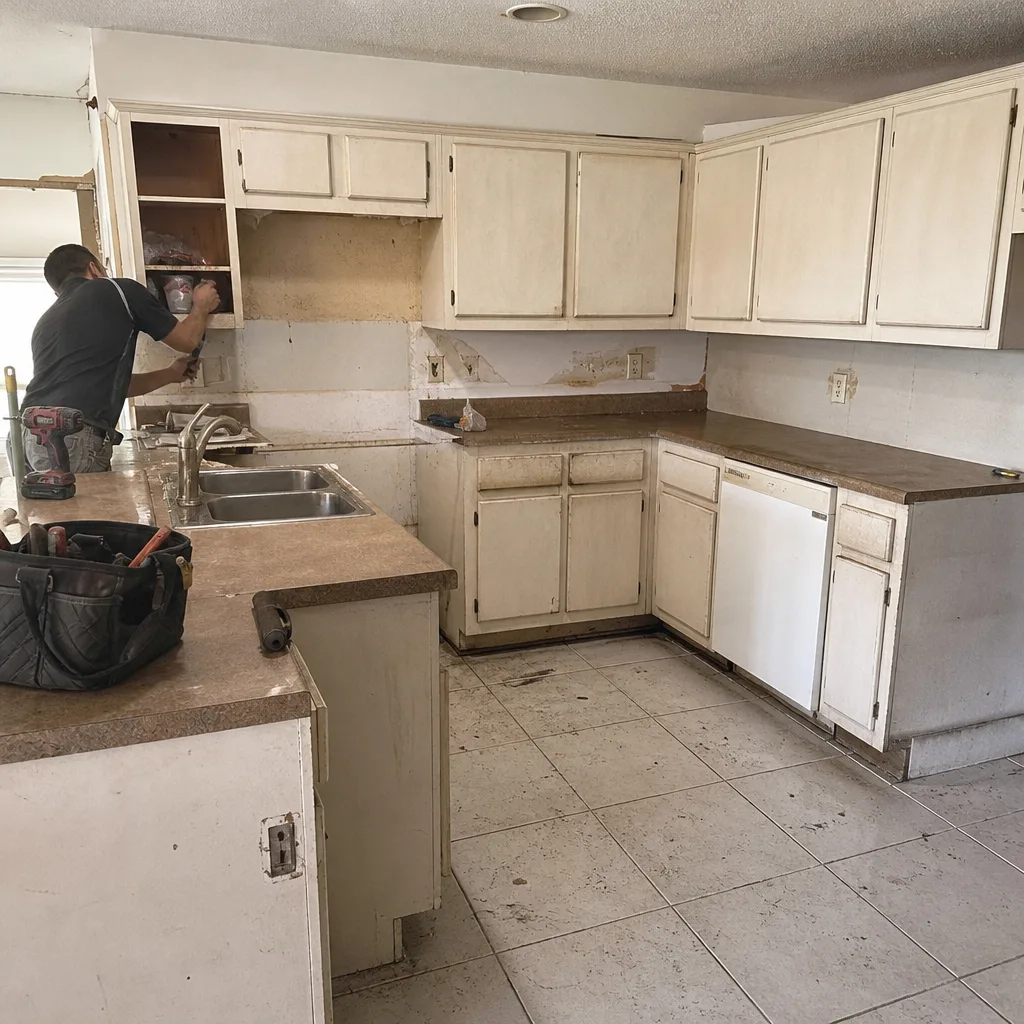 Before
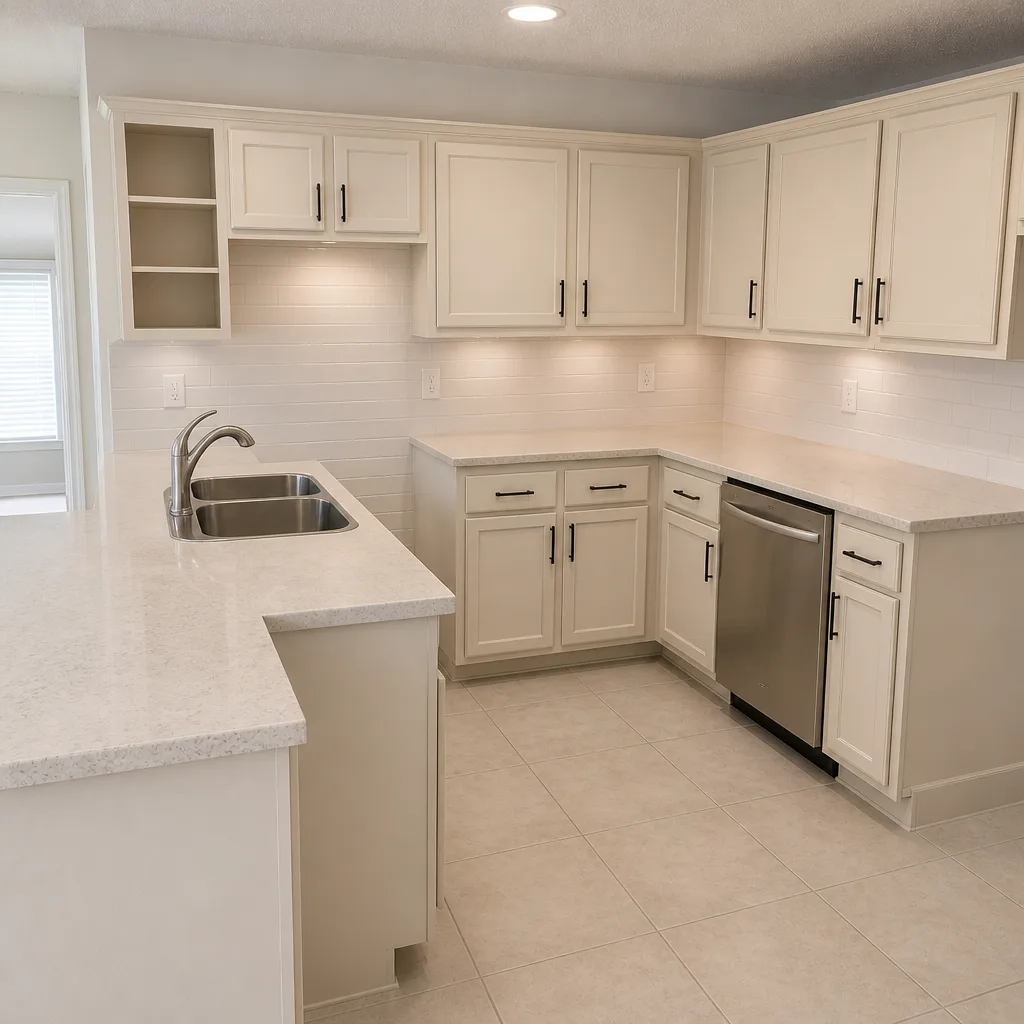 After
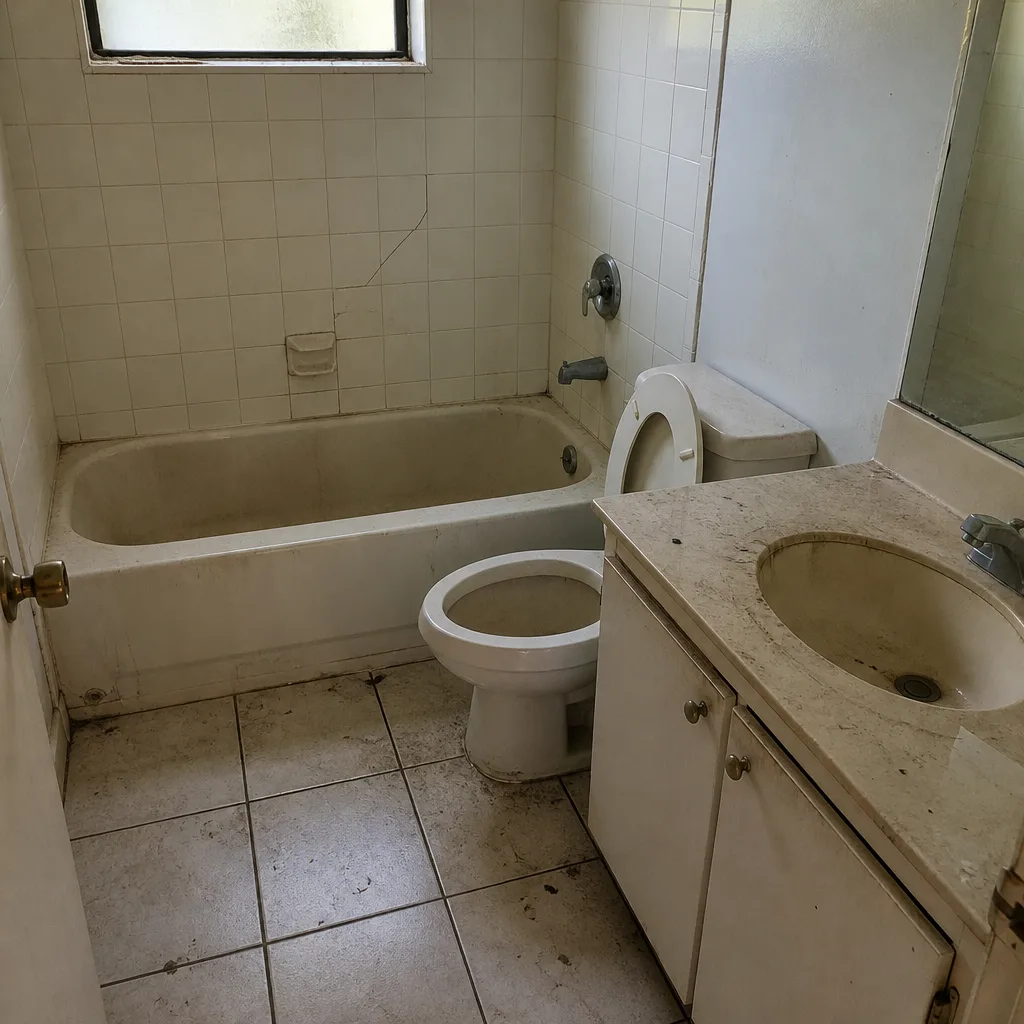 Before
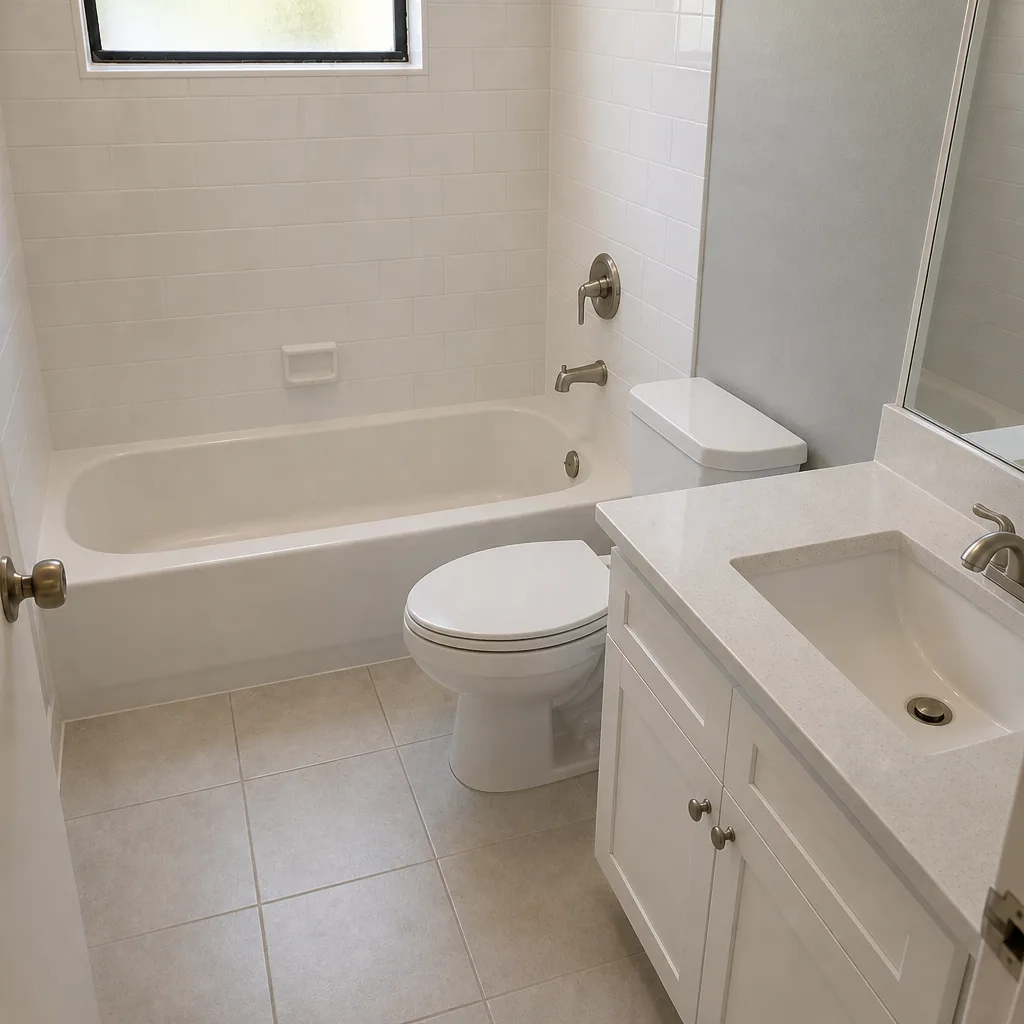 After
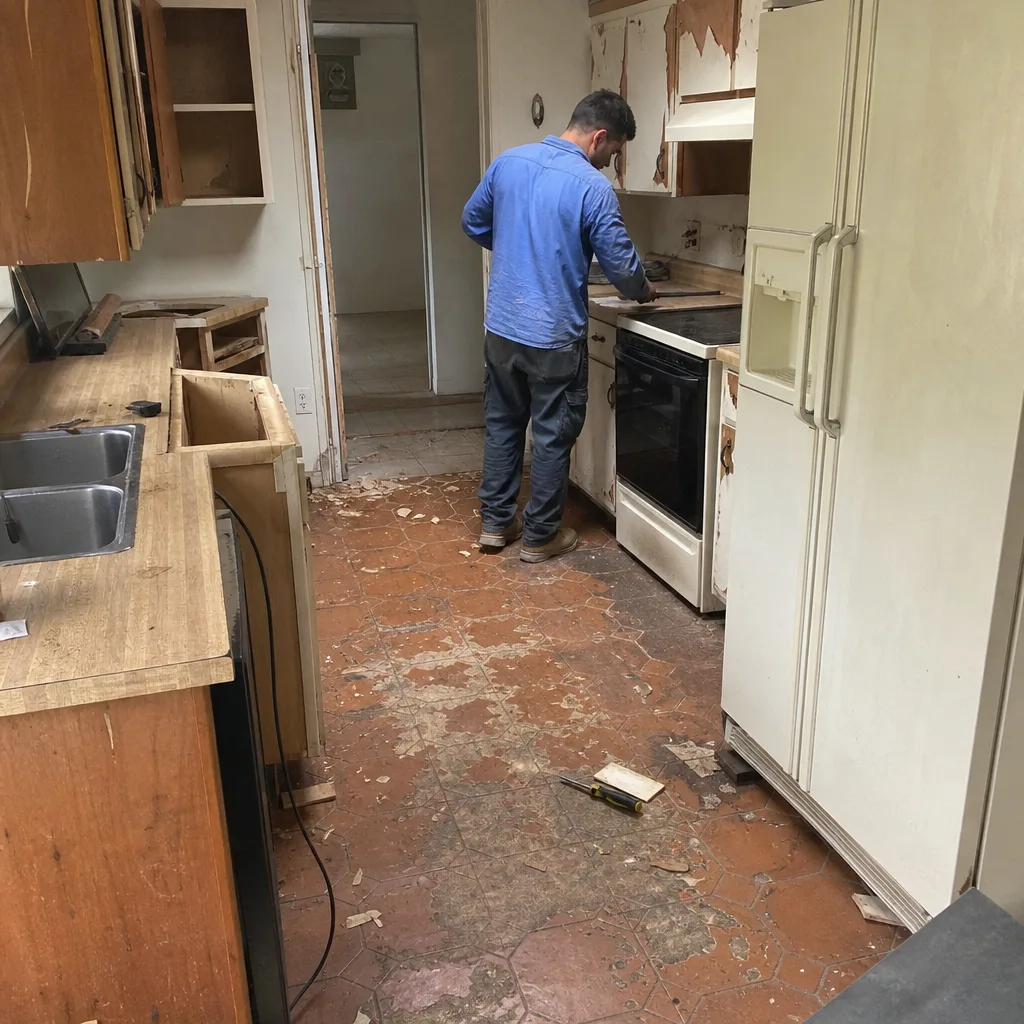 Before
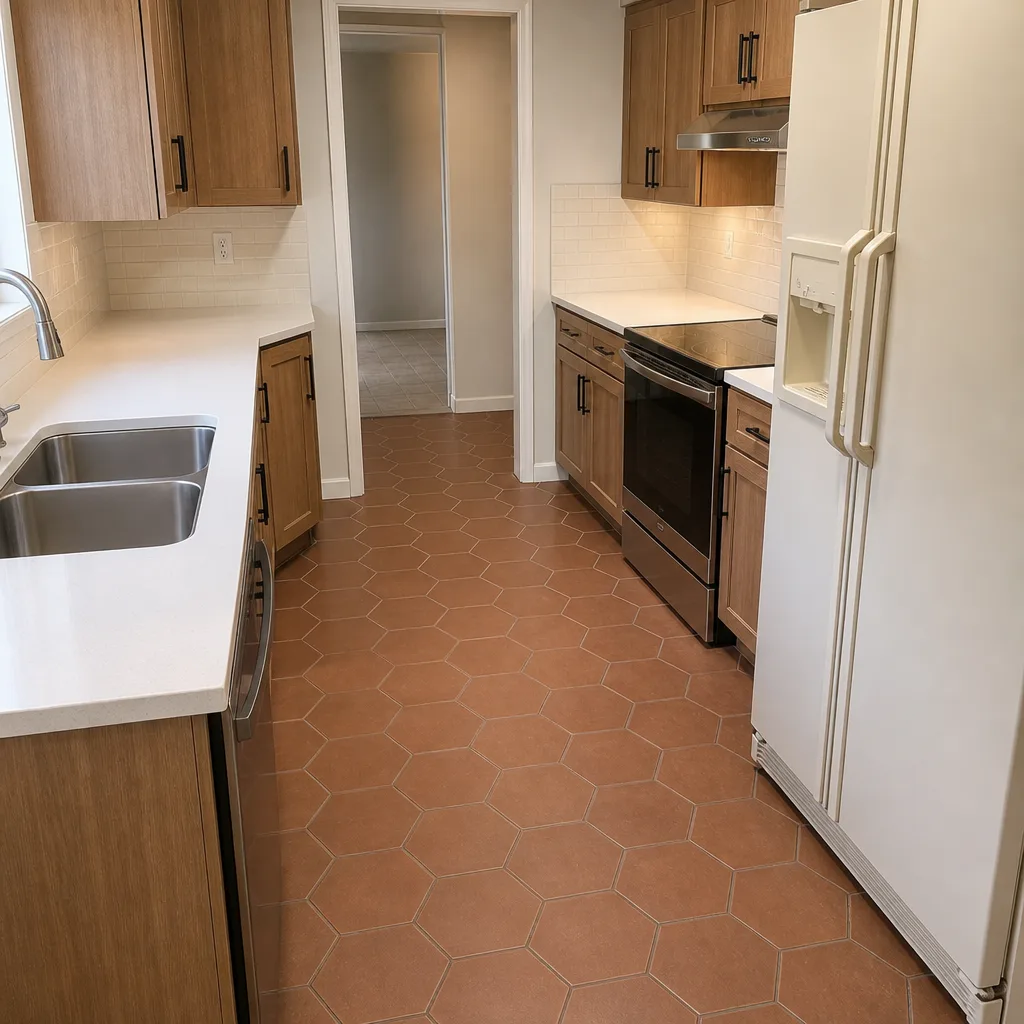 After
When to Call a Professional
Call a professional when the scope is roofing, windows, doors, structural, electrical, plumbing, or an addition or ADU. Call when the paver failure spans an area rather than a spot, or when surface water runs toward the house instead of away. Call when the HOA review requires documentation you don’t have, or when unpermitted work from a previous owner needs to be brought into compliance. Call when a project touches more than one system, because that’s when coordination matters more than any single trade. If you’re unsure which side of the line your project sits on, that uncertainty is itself a reason to ask. The Hammocks Construction offers free estimates in The Hammocks; call (844) 797-9354 to book yours. We answer 24/7. Fast dispatch from 7am to 7pm, Sunday through Friday.
Frequently Asked Questions
No. Roofing is a licensed trade under HVHZ requirements, and owner-performed roofing is prohibited in Miami-Dade. Doing it without a licensed contractor risks a stop-work order, mandatory removal of the work, and a lien exposure. Call (844) 797-9354 for a free roofing estimate; estimates are free.
In The Hammocks, yes – architectural review should come first for any visible exterior change, including fences, pavers, paint, additions, and ADUs. The HOA standards govern style, color, and placement, and the permit follows the approved design. Call (844) 797-9354 if you’d like us to walk your scope against the review checklist.
It can reduce or deny a claim tied to unpermitted work, depending on the policy and the loss. Carriers can scrutinize work that wasn’t permitted or inspected, especially when the damage traces back to that scope. Bringing the work into compliance is the path forward. Call (844) 797-9354 to discuss legalizing existing work.
No, not when the scope is defined up front. Our estimates are written line-item and fixed, with no change orders, because the scope is set before the work begins. If you discover scope mid-project, that’s a separate conversation and a separate written estimate. Call (844) 797-9354 for a free written estimate.
Yes. Permits pulled and inspections passed are part of the job, not an add-on. We coordinate the permit and inspection sequence for the scope we’re handling, including the HVHZ product-approval requirements. Call (844) 797-9354 to talk through your project’s permit path.
Yes. A prefab ADU still requires a licensed contractor for the site work, foundation, utility connections, and the installation of the unit, and it still goes through permitting and inspection. The factory-built portion doesn’t remove the owner-builder restriction on site scope. We work with prefab and modular systems including Boxabl, Plant Prefab, and other brands, alongside site-built additions. Call (844) 797-9354 for a free estimate on your ADU.
The Bottom Line
The DIY decision in The Hammocks isn’t a skill test. It’s a compliance question first: roofing, structural work, windows, doors, and the regulated trades require a licensed contractor under HVHZ and Miami-Dade code, regardless of how capable you are. Interior painting, minor stucco patching, small paver resets, and landscaped hardscape within the approved plan are genuinely within reach. HOA architectural review comes before the permit for any visible exterior change. Unpermitted work surfaces at claim time and resale, and the cheapest fix is to bring it into compliance early. On borderline jobs, run the break-even math with a written estimate rather than a guess. If your project lands on the professional side, get the estimate – the scope and the permit path come first, and the price is set by the written estimate.
Call (844) 797-9354 for a free estimate on your The Hammocks project. We answer 24/7. Fast dispatch from 7am to 7pm, Sunday through Friday. Closed Saturday.
Written by the team at The Hammocks Construction.