Last updated November 17, 2026



Free written scope consultation - allowances, timeline, and change-order rules on paper before a single trade is scheduled
Seasonal Construction Care for The Hammocks: Year-Round Homeowner’s Guide
Most homeowners in The Hammocks treat October as the finish line. Storm shutters come down, the plywood goes back in the garage, and the house gets ignored until the next forecast. That’s backwards. October is when the ground here dries out fast enough to show what the wet season was hiding: the dip in the driveway that used to pool water, the hairline crack running along the porch slab, the fence post that now leans a few degrees off plumb. Saturated soil masks all of it. In this guide, we’ll walk through a month-by-month care calendar built around The Hammocks’ two real seasons, not the four-season template borrowed from colder climates. You’ll learn what to inspect before the rains, what to watch during them, and why the dry months are the smartest time to build.
Quick Answer
Home construction care in The Hammocks follows two seasons, not four: the wet season (roughly May through October) when wind-driven rain tests roof, windows and drainage, and the dry season (roughly November through April) when settled soil exposes foundation and paver movement. The right calendar is pre-season structural inspection in April and May, drainage monitoring through July and August, a fast post-storm assessment checklist, and major projects scheduled into the dry-season window when conditions are most workable.
Styles & brands we work with
- Kitchen remodeling
- Bathroom remodeling
- Home additions & ADU
- Roofing
- Windows & doors
- Driveway & pavers
- Fence
Table of Contents
- Why The Hammocks Has Two Construction Seasons, Not Four
- April and May: The Pre-Season Structural Inspection
- June Through October: What the Wet Season Reveals
- July and August: Drainage Monitoring for Pavers and Pool Decks
- The Post-Storm Assessment Checklist You Can Run Yourself
- November Through February: The Dry-Season Building Window
- The Envelope Trades That Carry the Most Weight Here
- A Month-by-Month Action Calendar for The Hammocks
Why The Hammocks Has Two Construction Seasons, Not Four
If you’ve ever followed a national home-maintenance calendar, you’ve noticed it doesn’t fit. Those guides talk about winterizing pipes, clearing gutters before the first freeze, and inspecting the roof for ice dams. None of that maps onto The Hammocks. What we have instead is a long wet season that hammers the outside of a house with wind-driven rain and heat, followed by a dry stretch that lets the ground settle and shrink. Each season stresses a different part of the building, and each one hides its damage from the other.
The wet season doesn’t sneak up on anyone here. It announces itself. What it does quietly is push water sideways into places it shouldn’t be: behind a window seal, under a soffit panel, into the sand joints of a paver driveway. Dry season is the opposite. Nothing dramatic happens, but the soil under slabs and pavers dries, contracts and shifts by fractions of an inch. Multiplied across a large driveway or an addition footing, those fractions show up as cracks, trip edges and doors that suddenly don’t latch.
The point of a The Hammocks-specific care calendar is to catch each season’s damage in the window when it’s easiest to see. That means inspecting the building envelope in spring, monitoring drainage in midsummer, documenting storm impacts right after a system passes, and reserving the dry months for projects that need stable ground and reliable working weather. Skip those windows and you end up reacting to problems in the worst possible conditions.
April and May: The Pre-Season Structural Inspection
The weeks before the wet season intensifies are the best time to walk your house with a critical eye. The reasoning is simple: you want to find weaknesses while things are still dry and easy to repair, not after a storm has already exploited them. A thorough pre-season inspection in The Hammocks focuses on the building envelope and the ceiling and roof structure, not on cosmetic touch-ups.
Start with the roof. From the ground with binoculars, look at the field of shingles or tiles for lifted or missing pieces, and check the flashing around chimneys, vents and valleys. Roof fasteners matter in a wind zone, so they should be confirmed as securely set, not loosened by years of thermal cycling. This is not a job to eyeball from a ladder yourself; a trained roofer knows what a compromised fastener line looks like and where wind uplift is most likely to start.
Next, the windows and doors. Check the seals and weatherstripping around every opening for gaps, cracking or compression that has gone flat. Window and door assemblies rated for the local high-velocity wind requirements rely on their seals staying intact; once a seal fails, wind-driven rain finds the gap. Feel around frames on the inside after a heavy rain for any dampness, and note any interior blistering paint.
Finally, the soffits. Soffit attachment points deserve attention because they carry wind load and shield the attic and roof edge from rain. Look for panels that have pulled away, fasteners showing rust, or any sag between attachment points. A soffit that’s already loose going into the wet season is a real risk once the wind picks up. If any of these areas raise a flag, get a professional out while the weather is still cooperating.
June Through October: What the Wet Season Reveals
Once the rain settles in, the shape of your house’s weaknesses starts to show. The wet season in The Hammocks is an extended stress test. Wind-driven rain probes the envelope, and the constant humidity works on caulk, paint and wood. Your job during these months is observation, not major repair; the best fixes happen in a drier window, but the diagnosis happens now.
What to watch for during the wet season:
- Water where it shouldn’t be. Puddles that linger more than a day on a paver driveway or pool deck, or damp spots appearing on interior ceilings and walls.
- New cracks or widening cracks in stucco, porch slabs and garage floors, which often show up as the soil moves under the stress of heavy saturation.
- Doors and windows that stick as humidity swells framing, which can be a humidity signal or an early sign of structural movement.
- Gutter and downspout performance during the heaviest rain, where overflow or misdirected discharge is washing out soil at the foundation.
- Interior moisture signs around window frames, under sinks near exterior walls, and along baseboards.
Keep a simple log with dated photos of anything you spot. When you eventually bring in a professional, a dated record of when a crack appeared or where water pooled is far more useful than “it’s been doing that for a while.” That same record becomes the backbone of any insurance conversation later. In our experience, homeowners who document during the wet season get clearer answers and faster decisions than those who wait until something fails.
July and August: Drainage Monitoring for Pavers and Pool Decks
Mid-wet-season is when drainage problems declare themselves. On canal-lot properties in The Hammocks, where the water table can sit high and runoff has limited outlets, a driveway or pool deck that’s a fraction off-grade will show it in July and August. Water that can’t drain off a surface finds the lowest point and sits, and standing water under pavers is what loosens the sand joints and starts the settling process.
Here’s what to do during the heaviest stretch of the wet season:
- Watch where water goes after a storm. Walk the driveway, walkways and pool deck and note any spot where water pools and stays longer than a day.
- Check the joints. Look for sand joints that have washed out, pavers that rock underfoot, or edges that have started to dip.
- Follow the runoff. Trace gutter discharge and surface runoff to make sure it’s moving away from the house, not sheeting toward the foundation or pooling at a fence line.
- Inspect the fence line. A fence post that sits in soil that stays wet will eventually loosen; check for wobble and any leaning.
- Photograph everything. A dated record of where water collects is what a paver or drainage fix is based on.
None of this means you should attempt to regrade a driveway or reset pavers mid-wet-season yourself. The best repairs to hardscape happen when the ground is stable. What you’re doing now is building the case for that repair and preventing small drainage issues from turning into undermined slabs. When the timing is right, our driveway & pavers team can assess settlement and drainage and recommend a fix built to the material’s spec.
The Post-Storm Assessment Checklist You Can Run Yourself
After a significant storm passes, there’s a window where your own documented observations are worth more than a hurried walkthrough by anyone. Running a careful, safe assessment before professionals arrive does two things: it keeps you from missing damage that’s easy to overlook, and it gives an insurance claim a solid foundation of dated evidence. Do all of this only when it’s safe to be outside, and never climb onto the roof.
Here is the checklist we recommend walking through, in order:
- Walk the perimeter from the ground. Note missing shingles or tiles, damaged soffits, loose gutters and downspouts, and any fence sections that are leaning, broken or missing panels.
- Check every window and door. Look for cracked glass, damaged screens, and seals that have pulled away. Note any water that came in around frames.
- Inspect the interior ceilings and walls. Look for new stains, sagging, or damp patches that weren’t there before the storm.
- Photograph each issue with something for scale. A tape measure or a common object in the frame helps a claim reviewer understand size. Take both a wide shot and a close-up.
- Write down the date and what you found. Keep the record with the photos so the timeline is clear.
- Don’t move or discard damaged materials until you’ve documented them and, where relevant, spoken with your insurer.
That last point matters more than people expect. Once debris is hauled away, an adjuster has less to work with. Document first, then clean up. The fence installation side of a storm recovery is a good example: photos of which sections failed and how they’re anchored tell you far more about what to rebuild than a pile of downed panels ever will. If a fence or roof issue needs a professional assessment, that’s the moment to call.
November Through February: The Dry-Season Building Window
If you’re planning any significant project in The Hammocks, the dry-season window from November through February is the one to aim for. That’s not a marketing line. It’s a practical reality of how construction works in a climate with a long wet season. Materials behave better, schedules hold more reliably, and the ground under footings and hardscape is stable enough to trust.
Why the dry months win for building:
- Stable soil. Footings, slabs and paver base hold their shape when the ground isn’t saturated, which is the whole game for foundations and additions.
- Reliable weather windows. Exterior work like roofing, siding, windows and doors depends on dry conditions to seal and finish properly.
- Cleaner sequencing. A project that runs through the wet season can stall when rain interrupts the critical path; the dry window makes fewer of those interruptions likely.
- Interior comfort during remodels. Kitchen and bath work in the dry months keeps the household humidity lower and puts less stress on new cabinets, countertops and caulk lines.
For bigger ambitions, the dry-season window is also the right time to think about a home additions & ADU project. An addition or a modern prefab unit needs the same stable conditions, and the scheduling advantages are real. Whether you’re planning a site-built addition or considering a prefab or modular unit, the dry months give a project the conditions to move cleanly from design into construction. This is where doing everything under one contractor relationship pays off; sequencing trades from the roofline to the kitchen is far easier when one relationship coordinates the whole scope.
The Envelope Trades That Carry the Most Weight Here
The building envelope is the part of your home that takes the wet season head-on, and it’s where material choices either help you or burden you year after year. Roofing, windows and doors, siding and the structural connections holding them all together are what determine how well a The Hammocks home weathers both seasons. When we work with homeowners, we start with material transparency, because the brand and spec of what goes on the envelope matters more than the color of the trim.
On roofing, the material relationships that back a job span multiple manufacturers and warranty tiers, which gives real choices instead of a single take-it-or-leave-it option. Working with manufacturers like Owens Corning, IKO, Atlas and Tamko means the roof can be matched to the home’s architecture, the wind zone requirements and the warranty preference of the owner, rather than whatever happens to be on hand. That’s the “choose your material, we’ll handle the rest” idea in practice.
Windows and doors are next in importance because every opening is a potential path for wind-driven rain. Pairing door and window selections with durable exterior cladding like James Hardie siding gives a consistent envelope that’s built to the manufacturer’s spec. On the ground, commercial-grade paver and fencing suppliers such as Belgard, Unilock, Techo-Bloc, Master Halco and Ameristar make hardscape that holds up across seasons. And if a dry-season remodel turns the focus inside, premium countertop lines like Cambria, Caesarstone and Silestone and cabinet partners like KraftMaid and Wellborn let material decisions happen in one conversation, not three showrooms. You can see the full range at The Hammocks Construction.
A Month-by-Month Action Calendar for The Hammocks
Here’s the calendar we hand to homeowners who want a clear plan. It’s built around the two seasons, and it’s specific to how a The Hammocks home actually weathers the year. Use it as a working checklist, not a set of rigid rules; every property has its own quirks.
January and February: Dry-season building window at its best. Schedule additions, kitchen and bath remodels, and roof replacements here for stable conditions. Inspect the roof from the ground after any dry spells, and check that gutters and downspouts are clear.
March and April: Pre-season inspection time. Walk the perimeter, confirm roof fasteners and flashing, check window and door seals, and look at soffit attachment points. Book any professional assessments now, before the wet season makes everything harder.
May: Final pre-season sweep. Confirm drainage away from the foundation, test gutters with a hose, and photograph any hairline cracks in slabs and stucco so you have a baseline for later comparison.
June: Wet season starts in earnest. Switch from inspection to observation. Log where water pools, and watch for new interior moisture signs after heavy rain.
July and August: Peak wet season. Focus on drainage monitoring for paver driveways and pool decks, check fence post stability, and keep the dated photo log going.
September and October: Watch for post-storm assessment needs. Run the checklist after any system passes, document before cleaning up, and note the ground drying out – new settling and paver movement will start to reveal itself now.
November and December: Dry-season window opens. This is when foundation and paver settlement are easiest to see and fix, and when major projects should be scheduled. Book the significant work while the ground is stable.
Common Mistakes to Avoid
We’ve seen the same handful of mistakes cost homeowners time and money across all kinds of The Hammocks homes. Here are the ones worth naming:
- Following a four-season maintenance calendar. National checklists about freeze-proofing and ice dams don’t apply here; the real threats are wind-driven rain and seasonal soil movement, and the calendar should be built around those.
- Treating October as the end of storm care. The wet season’s damage to soil and slabs surfaces in the dry months, so the inspection work continues right through the transition.
- Cleaning up storm debris before documenting it. Once damaged materials are gone, an insurance claim has less to work with; photograph first, then clear.
- Ignoring small drainage puddles. A spot that holds water on a paver driveway for a day is a spot that will loosen joints and start settling; catch it in July, not next winter.
- Scheduling a major project without regard to the wet season. Exterior work that runs through heavy rain risks stalled schedules and compromised finishes; aim for the dry window.
- Climbing onto the roof to “check things” yourself. Roof inspection involves real fall risk; observe from the ground and leave height work to trained professionals.
- Settling for whatever material one contractor carries. The envelope and hardscape should be chosen to fit the home and the climate, not limited by a single supplier’s stock.
See the difference
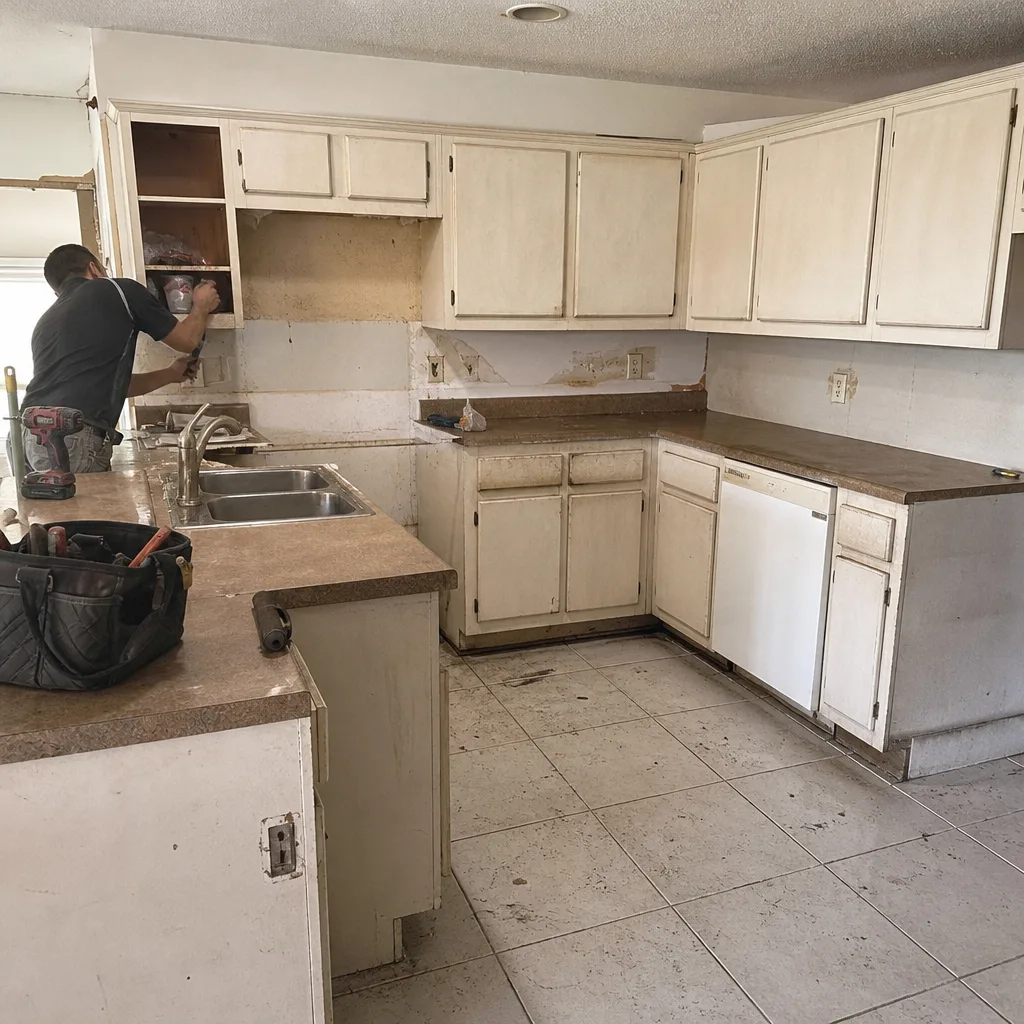 Before
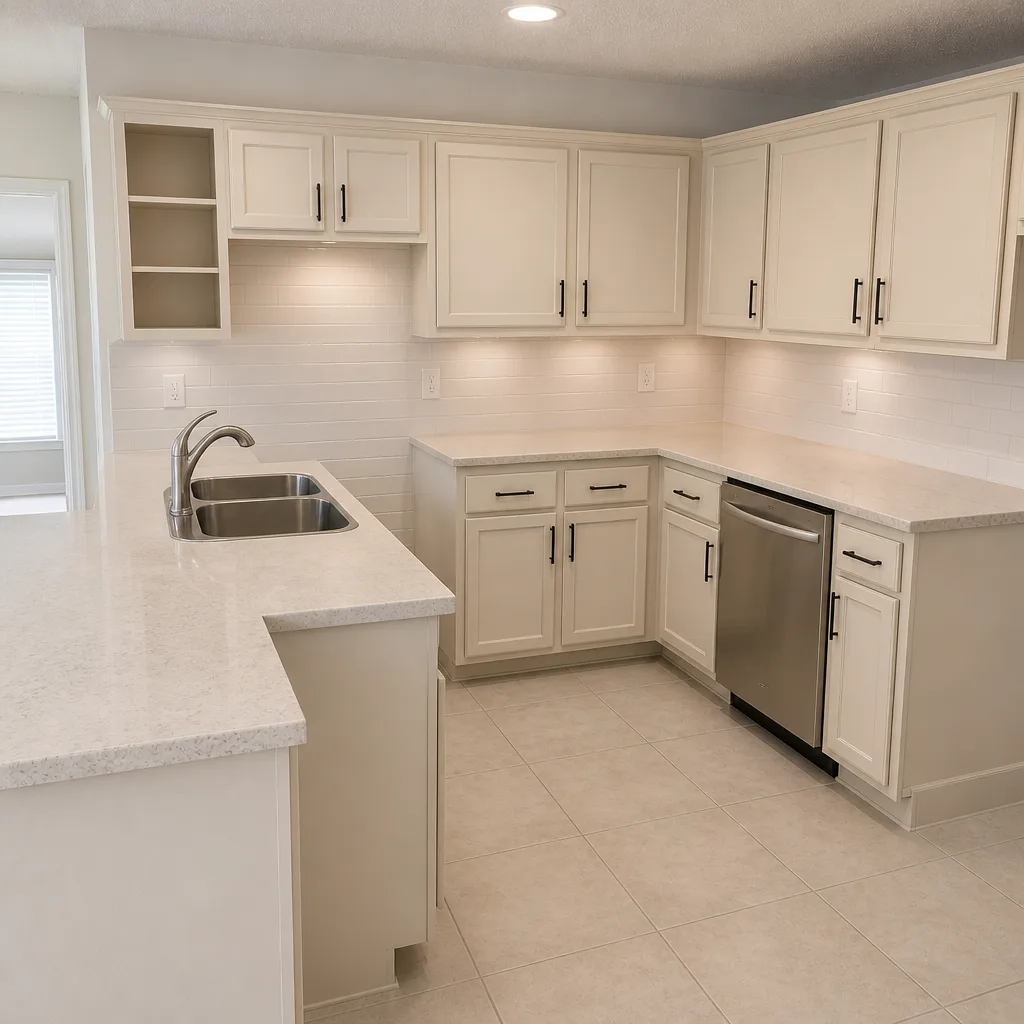 After
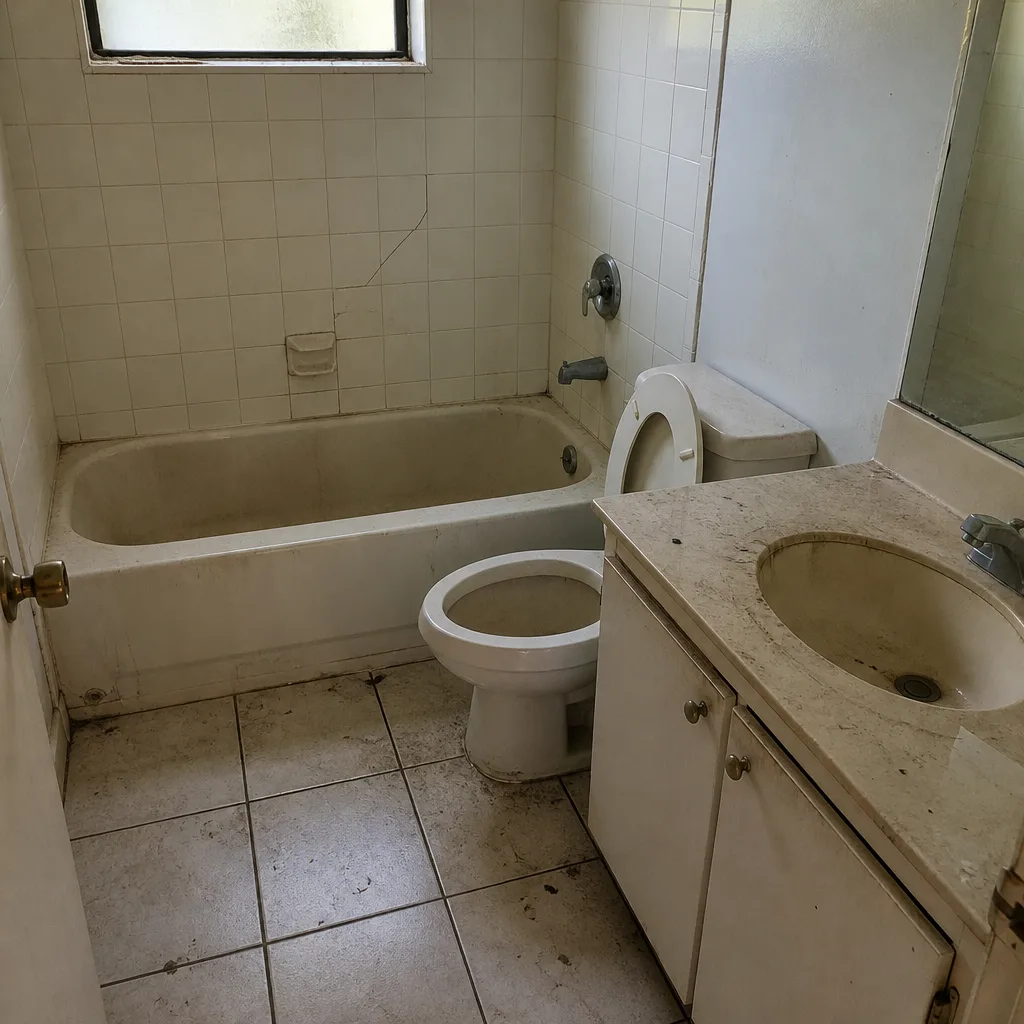 Before
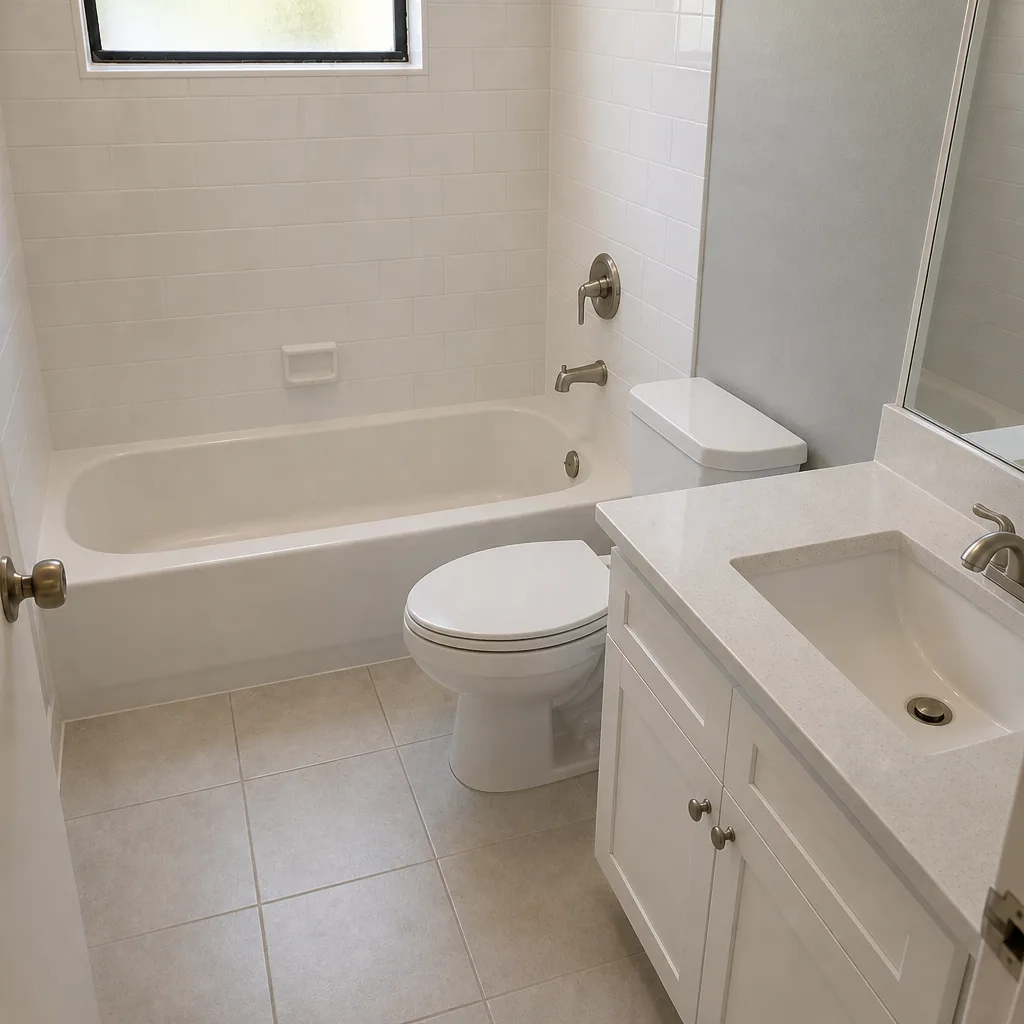 After
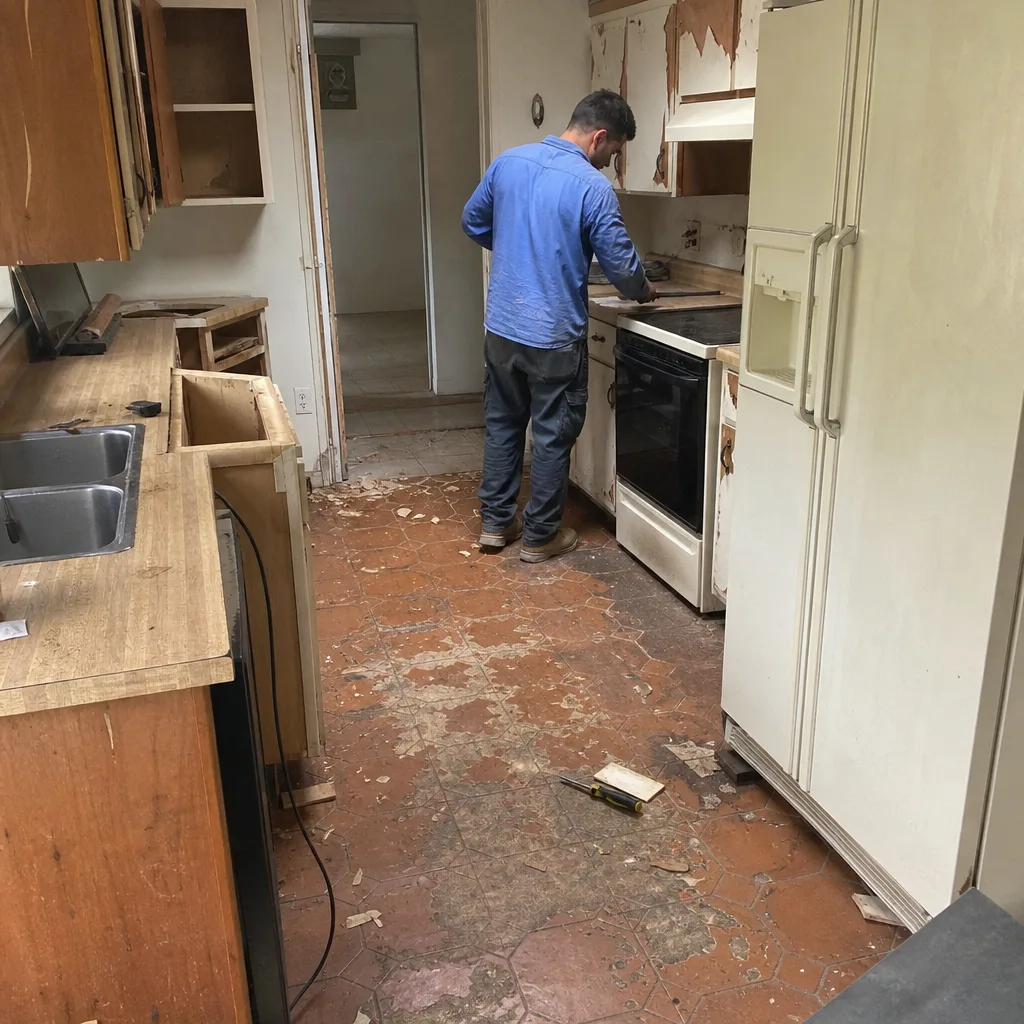 Before
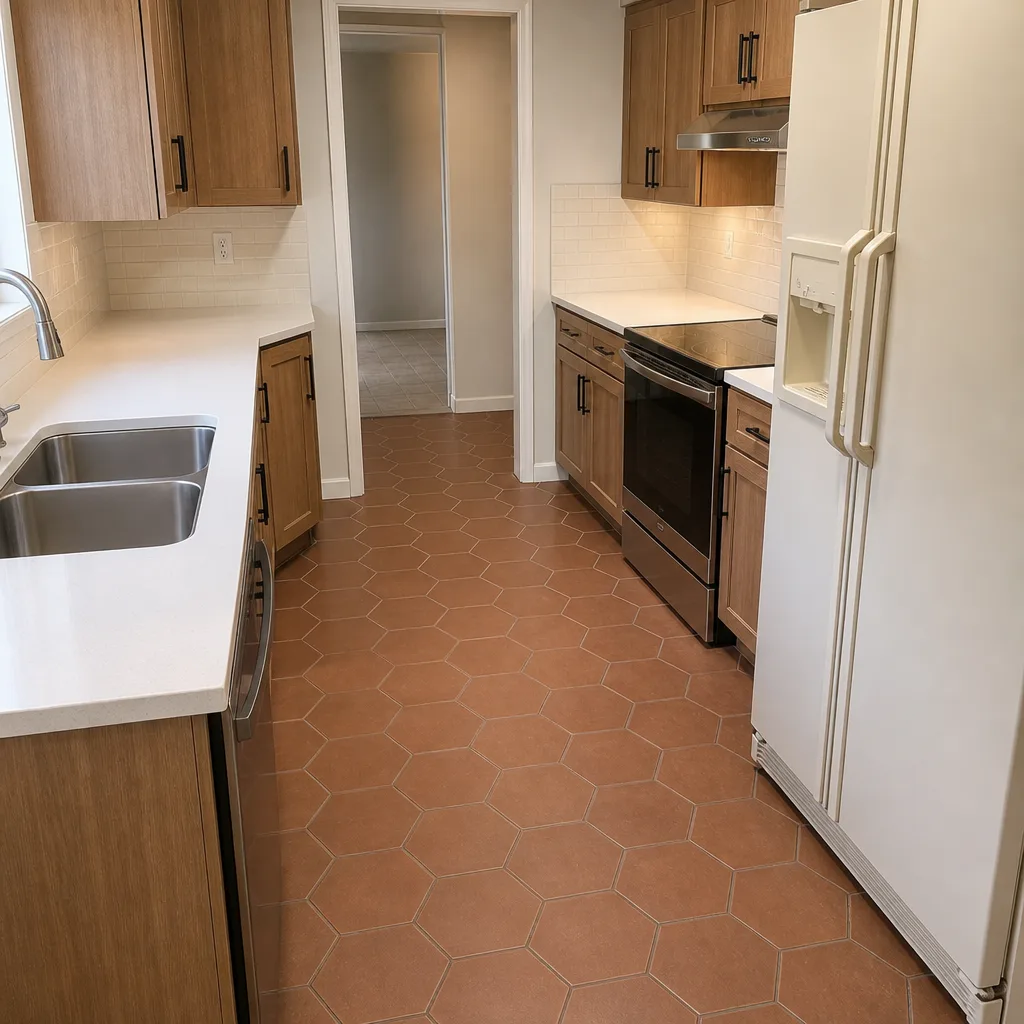 After
When to Call a Professional
Some issues are fine to observe and log; others should go to a trained professional promptly. Call for help if you see any of the following: roof shingles or tiles that are lifted, missing or loose after wind; soffit panels that have pulled away or sag between attachment points; window or door seals that have failed and let water in; interior ceiling or wall stains that suggest a roof or envelope leak; new or widening cracks in slabs, stucco or the garage floor; paver driveways or pool decks that pond water or show rocking or sunken areas; or a fence that’s leaning, loose or missing sections. Any work at height on the roof or the structural connections of the envelope carries real risk, and that’s no place for a DIY attempt. The Hammocks Construction offers free estimates in The Hammocks. Call (844) 797-9354. We answer 24/7. Fast dispatch from 7am to 7pm, Sunday through Friday.
Frequently Asked Questions
The dry-season window of November through February is typically the best time to start a significant project, because stable soil and dry conditions make footings, roofing and exterior work more predictable. Book the design and planning well before that window so the build can move into it. Call (844) 797-9354 for a free estimate, and we’ll help you map a timeline.
Paver driveways often show settling and joint problems in the dry months because saturated soil was hiding movement during the wet season. Water that ponded in July is what loosens the sand joints and starts the settling you see in November. Our driveway and paver team can assess the drainage and recommend a fix; estimates are free when you call (844) 797-9354.
Yes. Even a newer The Hammocks home goes through the same wet-and-dry cycle every year, and seals, fasteners and drainage are the parts that degrade first. A pre-season inspection in April and May catches small issues while they’re easier and less expensive to address. Call (844) 797-9354 to schedule a professional assessment.
Run a safe ground-level assessment, photograph every issue with something for scale, write down the date, and don’t move damaged materials until you’ve documented them. Never climb onto the roof. For a professional assessment of any roof, window or fence damage, call (844) 797-9354.
You can and should walk the ground level and check what’s visible: gutters, window and door seals, and obvious cracks or pooling. What you shouldn’t do is get on the roof or assess structural connections; trained professionals should confirm roof fasteners, soffit attachment and envelope integrity. Call (844) 797-9354 for a free estimate if you want it done properly.
It often does, because a small leak or a loose soffit panel lets in more water and wind with each storm, and repeated wetting wears down materials over time. Addressing issues between wet seasons is the more sensible approach. Call (844) 797-9354 and we’ll give you an honest assessment and a free estimate.
The Bottom Line
The Hammocks doesn’t give you four seasons to work with; it gives you a wet season that tests the building envelope and a dry season that reveals what the soil has been hiding. Build your calendar around that reality: pre-season structural inspection in April and May, drainage monitoring through July and August, a documented post-storm assessment any time a system passes, and major projects scheduled into the November-through-February dry window. Catch each season’s damage when it’s easiest to see, and you protect the home’s envelope year after year. One contractor from the driveway to the roofline, working with the materials that fit the home, makes that calendar easier to actually keep.
Call (844) 797-9354 for a free estimate. We answer 24/7. Fast dispatch from 7am to 7pm, Sunday through Friday. Built to the brand’s spec, chosen for your home, not just what we have in the truck.
Written by the team at The Hammocks Construction.