Last updated November 17, 2026
Free written scope consultation - allowances, timeline, and change-order rules on paper before a single trade is scheduled
The Complete Driveway & Pavers Guide for The Hammocks Homeowners
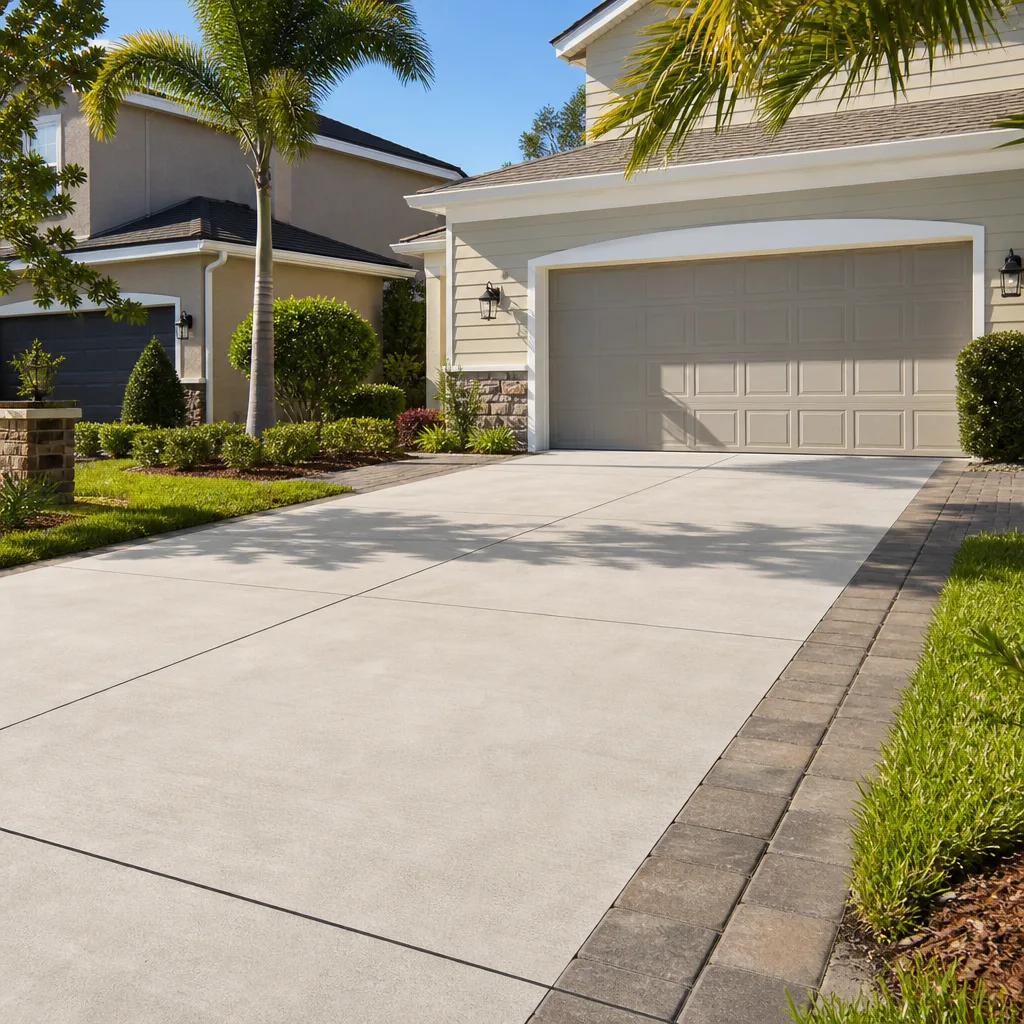
Most paver failures in South Florida aren’t caused by bad materials. They’re caused by base prep that got skipped while the homeowner was focused on the color of the stone. We’ve seen beautiful travertine laid over four inches of uncompacted fill, and it looked perfect for one wet season. Then the edges heaved, the joints washed out, and the driveway started to feel like a trampoline. Choosing driveway pavers in The Hammocks is an engineering decision before it’s an aesthetic one. Clay-heavy soil, a high water table, and relentless UV change what a paver system needs to survive here. This guide walks you through every decision point with those conditions as the baseline, not an afterthought.
Quick Answer
A driveway paver system in The Hammocks needs a compacted base deeper than standard national specs call for, because the local clay soil holds water and the water table sits close to the surface. Concrete pavers handle UV and heavy traffic best for the money, travertine runs cooler underfoot but needs correct installation to avoid staining, and porcelain holds color longest but costs the most. Proper drainage slope, polymeric sand jointing, and the right permit all matter more than the paver color you pick.
Styles & brands we work with
- Kitchen remodeling
- Bathroom remodeling
- Home additions & ADU
- Roofing
- Windows & doors
- Driveway & pavers
- Fence
Table of Contents
- Why South Florida Conditions Rewrite the Paver Rulebook
- How Deep Does the Base Need to Be in The Hammocks?
- Concrete Pavers vs. Travertine vs. Porcelain: A Side-by-Side
- Drainage Slope, Grade, and HOA Setbacks
- Polymeric Sand vs. Traditional Sand in High-Rainfall
- What Permits Do You Actually Need?
- How a Driveway Paver Installation Actually Goes
- Maintenance That Keeps a System Alive
Why South Florida Conditions Rewrite the Paver Rulebook
Paver installation guides written for Ohio or Arizona assume two things that don’t hold in The Hammocks: soil that drains and a climate that gives materials a break. Neither applies here. The soil across much of Miami-Dade’s western communities carries a heavy clay fraction, and clay does one thing well: it holds water. When water sits under a driveway, the base material softens, the pavers lose their support, and every wheel load pushes them slightly out of place. Repeat that through a rainy season and you get rutting, rocking pavers, and joints that open up wide enough to swallow sand.
The water table compounds the problem. In low-lying parts of The Hammocks, the ground can be saturated just below the surface for stretches of the wet season. That means water has nowhere to drain downward. It has to move sideways or evaporate, and a driveway that wasn’t built with that in mind becomes a dam.
Then there’s the sun. Miami-Dade’s UV load breaks down sealers, fades pigments, and ages joint sand faster than almost anywhere in the country. Materials that look identical to a northern product on the showroom floor can behave completely differently after two summers here.
What this means for you:
- Base depth and compaction matter more than paver thickness.
- Drainage has to be designed, not assumed.
- Material selection should weigh UV stability as heavily as appearance.
- Joint sand needs to be rated for heavy rain, not just swept in and forgotten.
None of this is exotic. It’s just what a driveway in The Hammocks needs. A contractor who installs the same spec everywhere will give you a system built for a drier climate, and it will show within a couple of seasons.
How Deep Does the Base Need to Be in The Hammocks?
For a residential driveway in The Hammocks, plan on a compacted base that runs deeper than the four-inch figure most national guides cite, because clay soil and a high water table both demand more structural support. The exact depth depends on your soil, your traffic, and what the site inspection finds, but the principle is simple: the base is the driveway. The pavers are just the wear surface.
Here’s how base prep should go on a proper job:
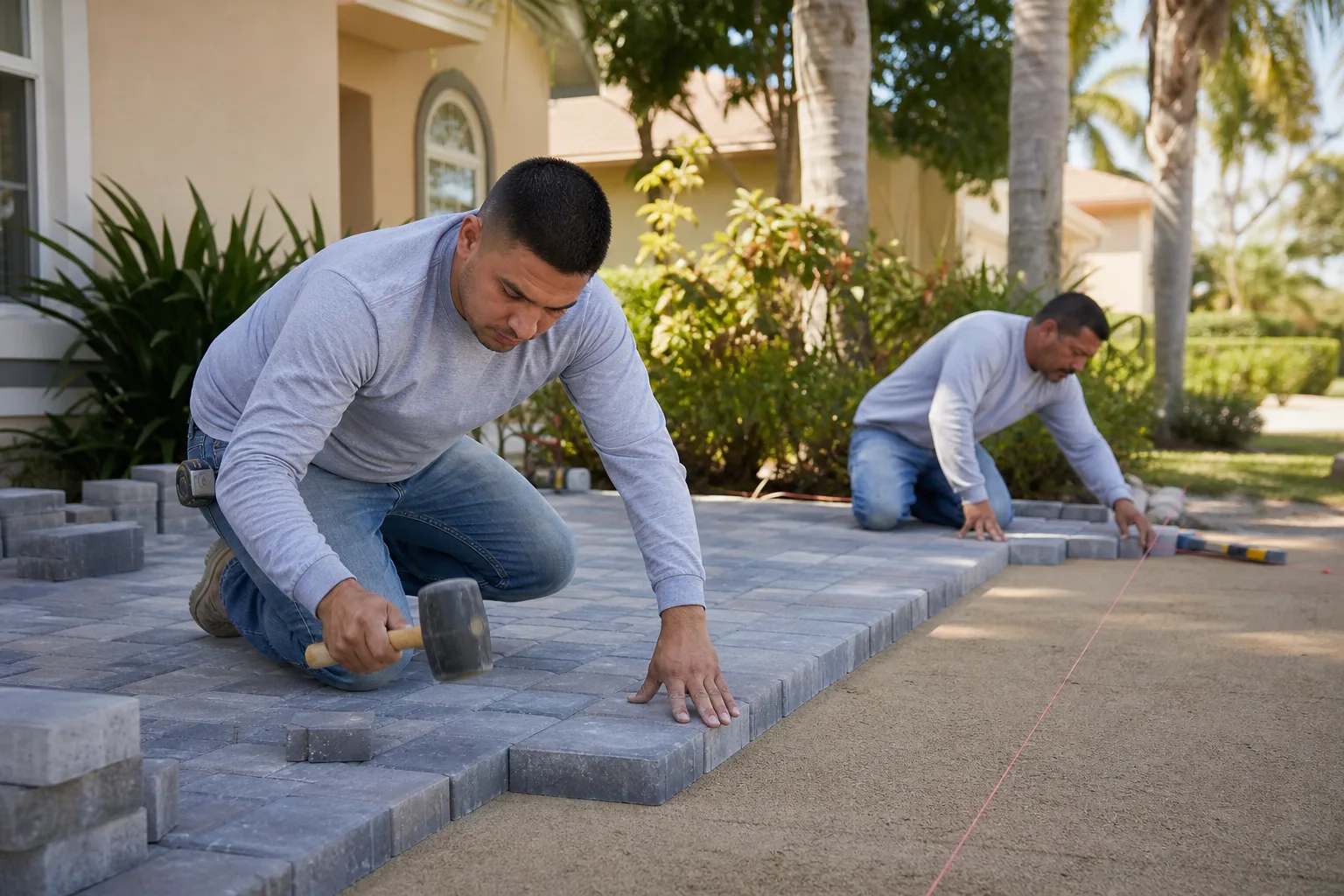
- Excavate to the full design depth. That means the paver thickness, plus the bedding layer, plus the compacted base. Cutting corners here is the single most common cause of failure.
- Assess the subgrade. If the native soil is saturated or unusually soft, it may need stabilization before any base goes down.
- Lay base material in lifts. Base aggregate gets compacted in layers, not dumped in one pile and vibrated once. Each lift gets compacted before the next goes on.
- Compact mechanically at every stage. Plate compactors, not hand tampers, and multiple passes.
- Check grade and slope continuously. The base sets the drainage. If it’s wrong, the pavers can’t fix it.
- Add the bedding layer and screed it level. A thin, uniform bedding sand layer lets the pavers seat evenly.
A common shortcut in this market is skipping the deeper excavation because the customer wanted a lower number. We understand the temptation, but a driveway is not the place to save on base. In The Hammocks, the ground will find every weak spot. If you take one thing from this guide, make it this: ask your contractor how deep the base will be and how it will be compacted. If the answer is vague, keep asking.
Our technicians have up to 13 years of experience with paver systems in South Florida conditions, and the pattern is consistent. Deeper base, better compaction, longer life.
Concrete Pavers vs. Travertine vs. Porcelain: A Side-by-Side
For most The Hammocks driveways, concrete pavers deliver the best balance of durability, repairability, and cost, while travertine and porcelain each win on specific points and cost more to install. Here’s how the three compare under the conditions that actually matter here.
Concrete Pavers
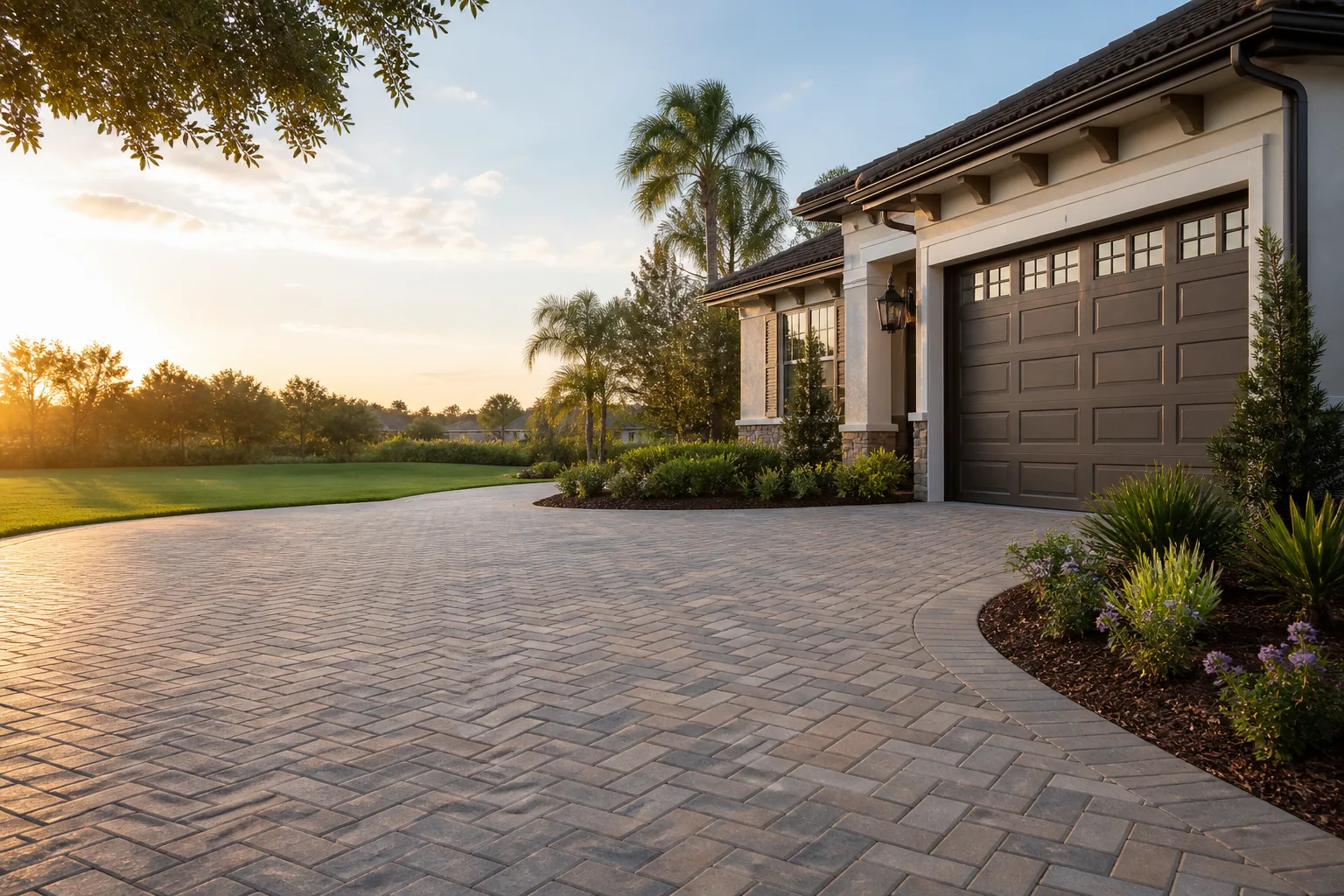
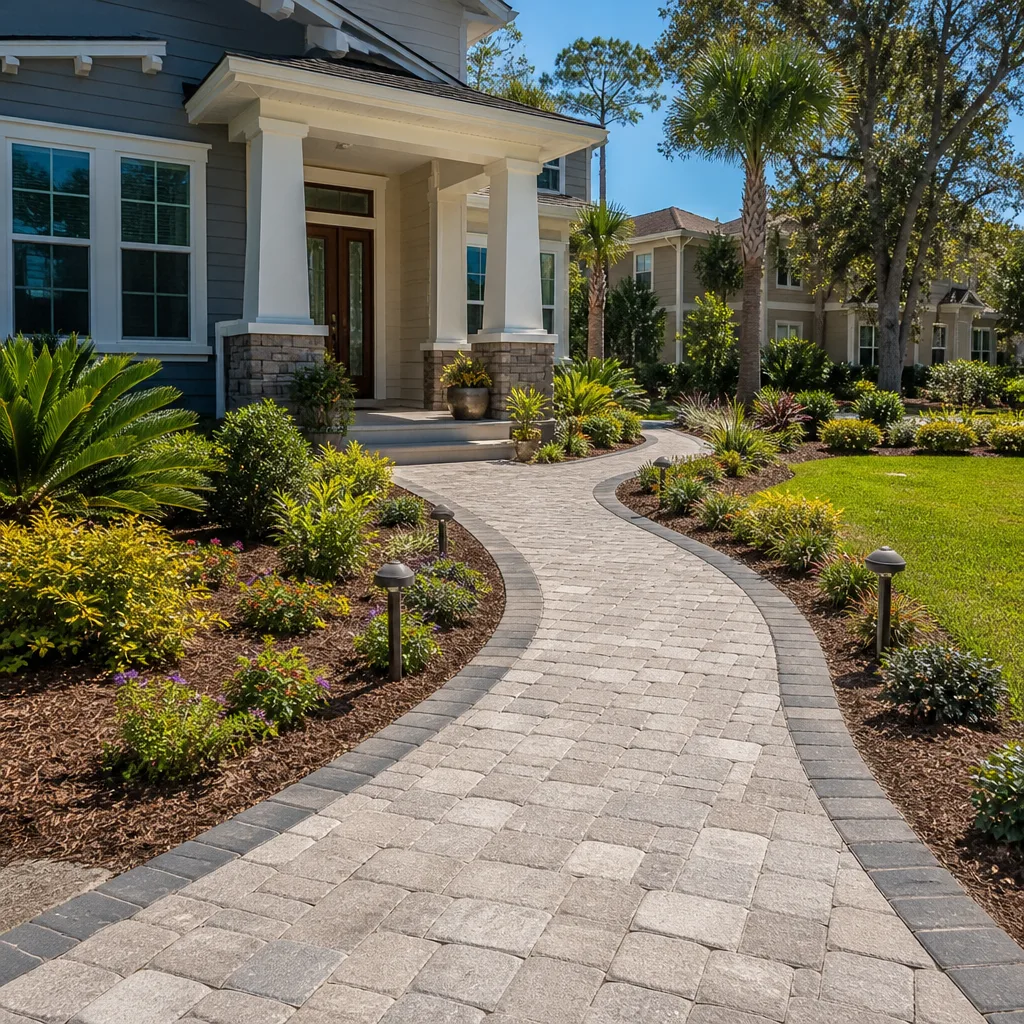
The default choice for good reason. They’re dense, hold color well when the pigment runs through the body rather than sitting on the surface, and individual units can be pulled and reset if something shifts underneath. In a climate with heavy seasonal rain, that repairability is worth a lot. Brands like Belgard, Unilock, and Techo-Bloc all make systems rated for this kind of exposure, and the range of shapes and finishes is wide enough to match almost any home style in The Hammocks.
Travertine
Travertine stays noticeably cooler underfoot than concrete, which matters on a driveway you walk on barefoot, and it gives a high-end look that fits well with many of the Mediterranean-influenced homes in The Hammocks. The catch is installation quality. Travertine is more porous and more sensitive to a weak base, and if water pools under it, staining and movement follow. Installed correctly over a deep, well-compacted base with proper drainage, it’s an excellent surface. Installed over a shortcut, it’s an expensive problem.
Porcelain Pavers
Porcelain holds its color longer than either of the other two under intense UV. It resists staining, cleans easily, and doesn’t fade. That durability comes at a higher material cost, and porcelain is less forgiving of base movement because individual pavers are more brittle. For a homeowner planning to stay in the home long-term and wanting minimal maintenance, it’s a strong choice. For a quick cosmetic upgrade on a budget, it’s usually not the practical pick.
Quick Comparison
- UV stability: Porcelain best, concrete pavers close behind with through-body pigment, travertine good but dependent on sealing.
- Heat underfoot: Travertine coolest, porcelain moderate, concrete warmest.
- Repairability: Concrete pavers easiest, travertine moderate, porcelain requires care.
- Upfront cost: Concrete pavers lowest, travertine middle, porcelain highest.
- Maintenance: Porcelain lightest, travertine needs periodic sealing, concrete pavers need joint sand upkeep.
One note on the “salt air” question you’ll see in a lot of national paver content: The Hammocks isn’t a coastal community, so marine corrosion isn’t the deciding factor here. UV, rain, and soil are. We work with what’s best for your home and its actual conditions, not a spec written for somewhere else.
Drainage Slope, Grade, and HOA Setbacks
Your driveway needs to shed water away from the house and away from the property line at a slope that works with the existing grade, and in The Hammocks that calculation has to account for HOA setback rules that limit where water can go. A flat driveway is a failing driveway, even if it looks level.
Here’s why this is trickier here than in most places. When the ground is saturated, water can’t soak in, so the slope has to move it to a place where it can be handled: a swale, a drainage channel, a yard area designed to accept it. If your lot is graded so that water naturally runs toward the house, the paver system needs to redirect it without pushing it onto a neighbor’s property or into a common area the HOA controls.
Things a proper drainage plan accounts for:
- Slope away from the structure. Water should move off the driveway and away from the foundation, not toward it.
- HOA setback lines. Many The Hammocks communities restrict how close hardscape can come to property lines and where runoff can be directed. Getting this wrong can mean rework later.
- Neighbor impact. Water pushed onto an adjacent lot is a dispute waiting to happen.
- Connection to existing drainage. Where the driveway meets a swale, gutter, or drainage structure, that transition has to be built so it doesn’t erode.
- Grade relative to the street. The driveway apron is where most water enters. If the apron sits below street level, water comes in before it goes out.
This is where a site inspection earns its keep. Slope angles that look fine on a drawing can fail once you’re standing on the lot and see which way the ground actually moves during a downpour. We factor that in before anyone orders a single paver.
Polymeric Sand vs. Traditional Sand in High-Rainfall
Polymeric sand is the right jointing choice for driveways in The Hammocks, because traditional loose sand washes out under Miami-Dade’s rainfall intensity and leaves the joints open to weeds and water infiltration. This is one of the clearest decisions in the whole build, and one of the most commonly downgraded.
Traditional sand does one job: it fills the gap between pavers. It has no binding agent, so heavy rain erodes it out of the joints, especially on a slope. Once joints open up, water gets under the pavers, the bedding layer migrates, and the whole surface starts to loosen. Homeowners often notice the problem as “the pavers are moving,” when the real issue is that the sand left town.
Polymeric sand mixes sand with a binder that activates when wet and sets into a firm, semi-flexible joint. Done properly, it resists washout, blocks weeds, and holds pavers in place through a rainy season. It has to be installed correctly though: joints filled to the right depth, the surface swept clean, and the sand activated with water in the right amount. Rushed application leaves a haze on the pavers and joints that fail early.
What to ask about polymeric sand:
- Is it rated for heavy rain and driveway traffic, or is it a lighter landscape grade?
- How deep will the joints be filled?
- What happens if the surface haze isn’t fully removed?
- Will the installer come back after the first wet season to check the joints?
You can also reference driveway & pavers for the full outline of what a proper install includes, jointing and base included.
What Permits Do You Actually Need?
A full driveway replacement in The Hammocks generally requires a permit from Miami-Dade County, and possibly HOA approval, while a simple repair or reseal typically doesn’t. The distinction comes down to scope: are you replacing the hardscape and the base, or are you maintaining what’s already there?
Here’s the practical breakdown:
- Full replacement: New base, new pavers, changed footprint. Expect a permit and an inspection, plus HOA review in most The Hammocks communities.
- Repair: Resetting lifted pavers, replacing damaged units, refilling joints. Usually no permit needed.
- Reseal or re-sand: Maintenance work on an existing system. Typically no permit.
- Expansion: Widening the driveway or extending it into a new area. Permit required, and HOA setback rules apply.
Permits aren’t red tape to route around. They exist to make sure drainage, setbacks, and structural depth are right before anything gets buried. A permitted job also protects you at resale, when a buyer’s inspector asks about the driveway and no one can produce documentation. Ask your contractor directly: will you pull the permits and get the inspections passed? The answer should be yes without hesitation.
If your project grows beyond the driveway, home additions & ADU work involves its own permitting path, and it’s worth talking through both at once if you’re planning a larger site change.
How a Driveway Paver Installation Actually Goes
A driveway paver installation in The Hammocks moves through seven stages, from site assessment to final cleanup, and each stage depends on the one before it. Understanding the sequence helps you know what’s happening on your property and when to ask questions.
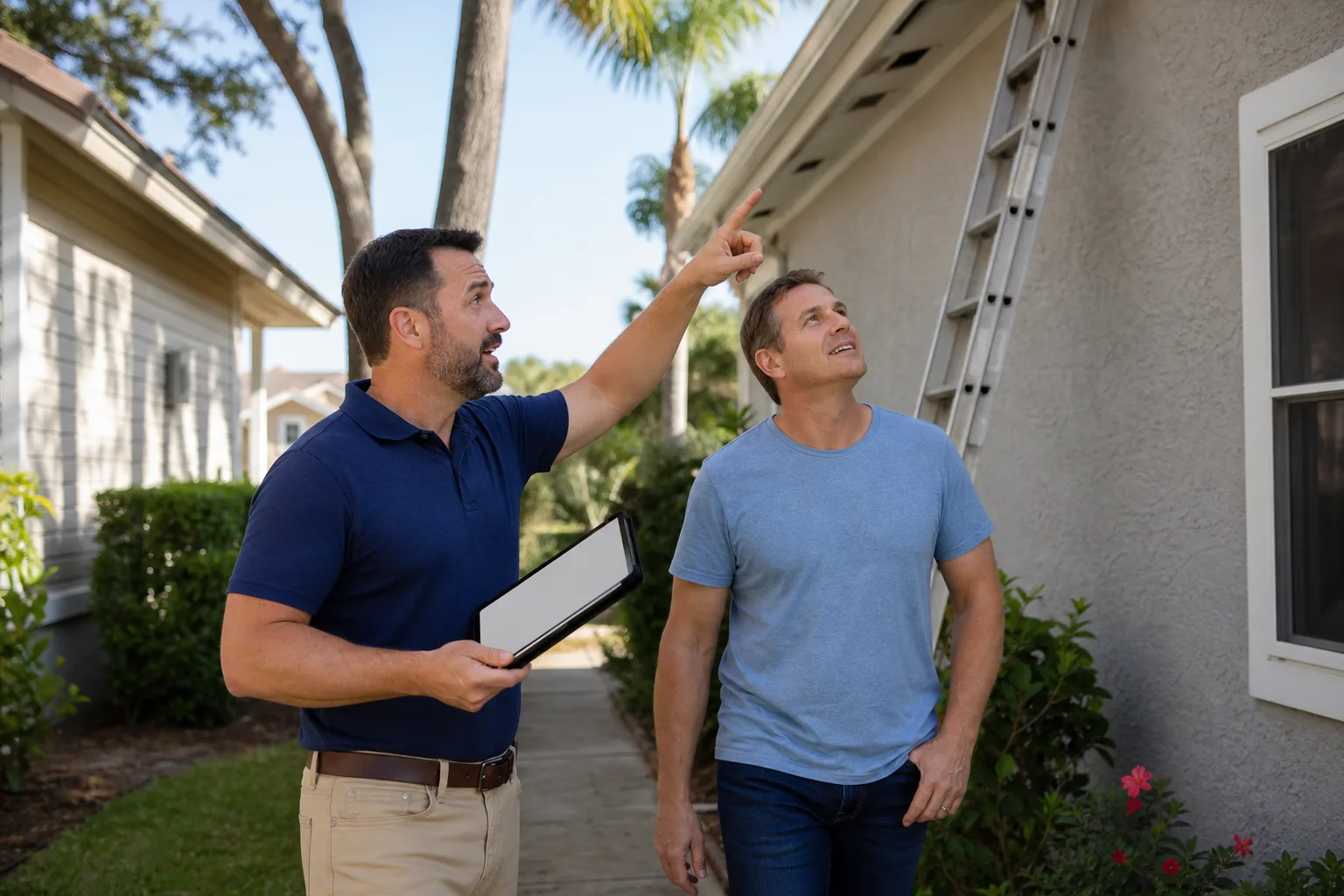
- Site inspection and measurement. We look at the existing grade, drainage patterns, soil conditions, and HOA rules before anything else. This is where the real design decisions get made.
- Permitting. Applications go in for the work that needs them, with drawings that reflect the actual site.
- Demolition and disposal. Old concrete or pavers come out, and the subgrade gets exposed so any problems are visible.
- Excavation to design depth. The base is dug to the planned depth, accounting for soil conditions found on-site.
- Base installation in compacted lifts. Aggregate goes down in layers, each one compacted before the next, with grade checks along the way.
- Bedding layer and pavers. A screeded sand layer, then pavers laid to pattern with joints held to a consistent width.
- Jointing, cleanup, and inspection. Polymeric sand goes in, the surface gets cleaned, and the completed work is checked against the plan.
Timeline depends on the size of the driveway and what the site reveals. A typical residential driveway in The Hammocks runs several days to a couple of weeks once work begins, with permitting ahead of that. We give a written estimate with line-item pricing before anything starts, so the number you agreed to is the number you pay.
One thing that shapes the schedule: if the base prep runs into a saturated subgrade, it may need to dry before work continues. That’s not a delay to complain about. It’s the sign of a contractor who won’t bury a problem.
Maintenance That Keeps a System Alive
A properly built paver driveway in The Hammocks needs little maintenance, but the little it needs is real: joint sand checks after the rainy season, periodic cleaning, and a sealer decision made with UV in mind. Skip the upkeep and even a good system ages faster than it should.
What to keep an eye on:
- Joint sand levels after the wet season. If joints open up, top them. Small fixes prevent big ones.
- Weeds in joints. A sign the sand has thinned or failed. Polymeric sand is the fix, not just pulling weeds.
- Pooling water. Any low spot that holds water needs a look. It usually means something has moved underneath.
- Efflorescence. A white haze that can appear on concrete pavers in humid climates. Usually cosmetic and treatable, but worth asking about.
- Sealer. A UV-stable sealer can extend color life and make cleaning easier, but it’s a choice, not a requirement. Some surfaces look better sealed, others don’t need it.
Travertine benefits from periodic sealing in this climate. Porcelain needs the least attention. Concrete pavers land in the middle and reward a homeowner who keeps an eye on the joints.
If your property also needs a boundary element or privacy line, fence installation is the natural companion project, and materials like Master Halco and Barrette show the kind of supplier access that makes a difference on outdoor work.
Common Mistakes to Avoid
- Choosing color before base depth. Homeowners spend hours on paver selection and minutes on base questions. Reverse that order. The color can’t rescue a shallow base.
- Skipping the site inspection. A quote given over the phone without a look at your grade, soil, and drainage isn’t a real number. In The Hammocks, the difference between a good lot and a difficult one is often invisible until you’re standing on it.
- Using landscape-grade polymeric sand. The bag says polymeric. It may still not be rated for driveway traffic and heavy rain. Ask for the specification, not the marketing label.
- Ignoring HOA rules until after the fact. Many The Hammocks communities restrict setbacks and runoff direction. Get the rules early, not after the pavers are laid.
- Compacting in a single pass. Base installed in one deep lift and compacted once won’t reach the density you need. It has to go in layers.
- Choosing a contractor whose spec is the same everywhere. A driveway built for a dry climate will fail here. Ask what changes in your spec because of South Florida conditions.
- Skipping the permit for a full replacement. It feels faster. It costs more at resale and can cause problems if the work doesn’t meet code.
See the difference
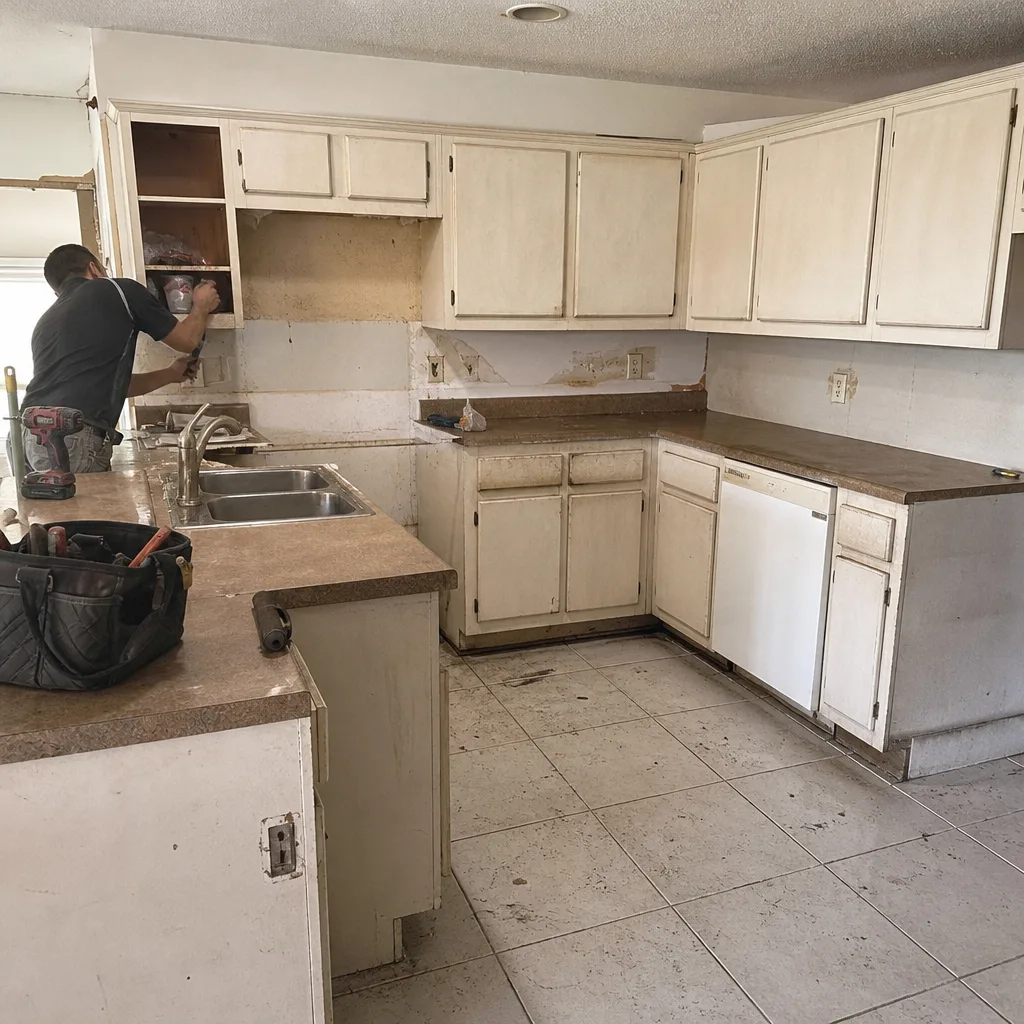 Before
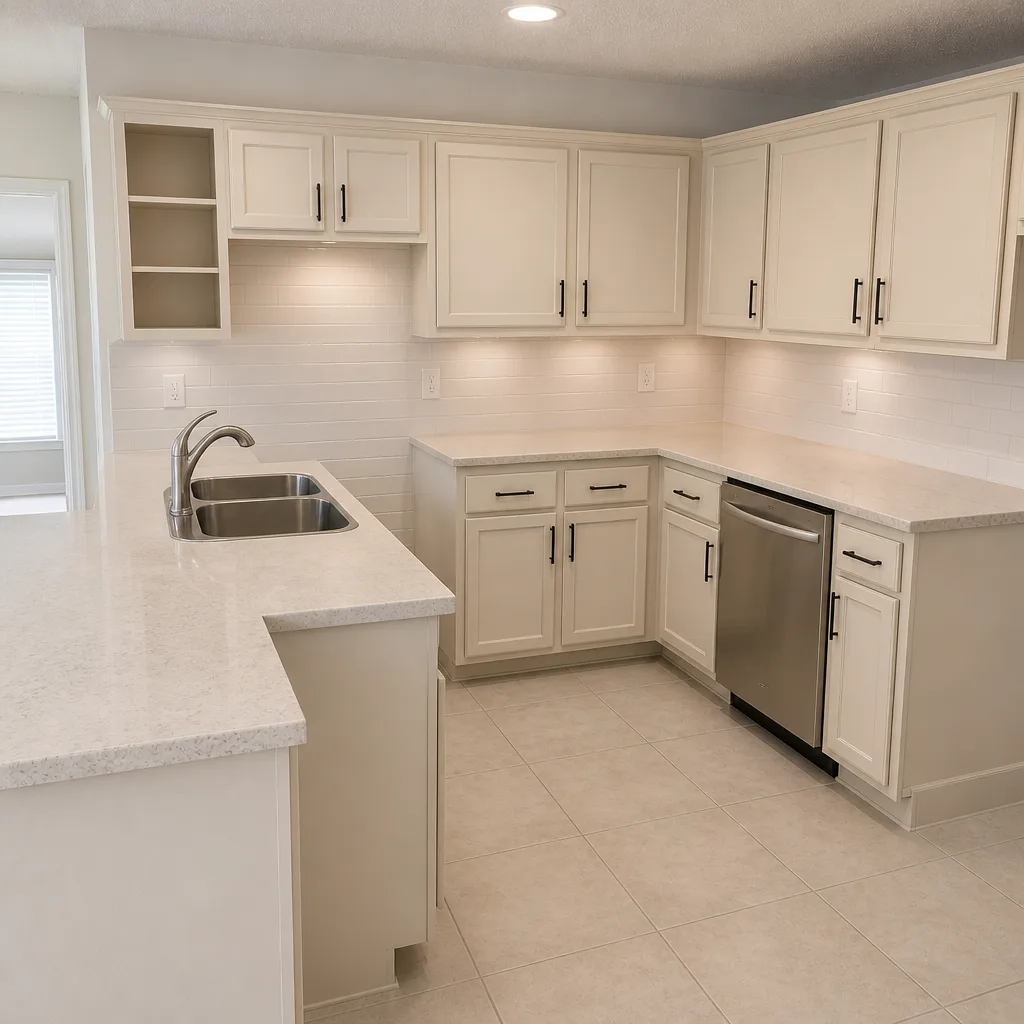 After
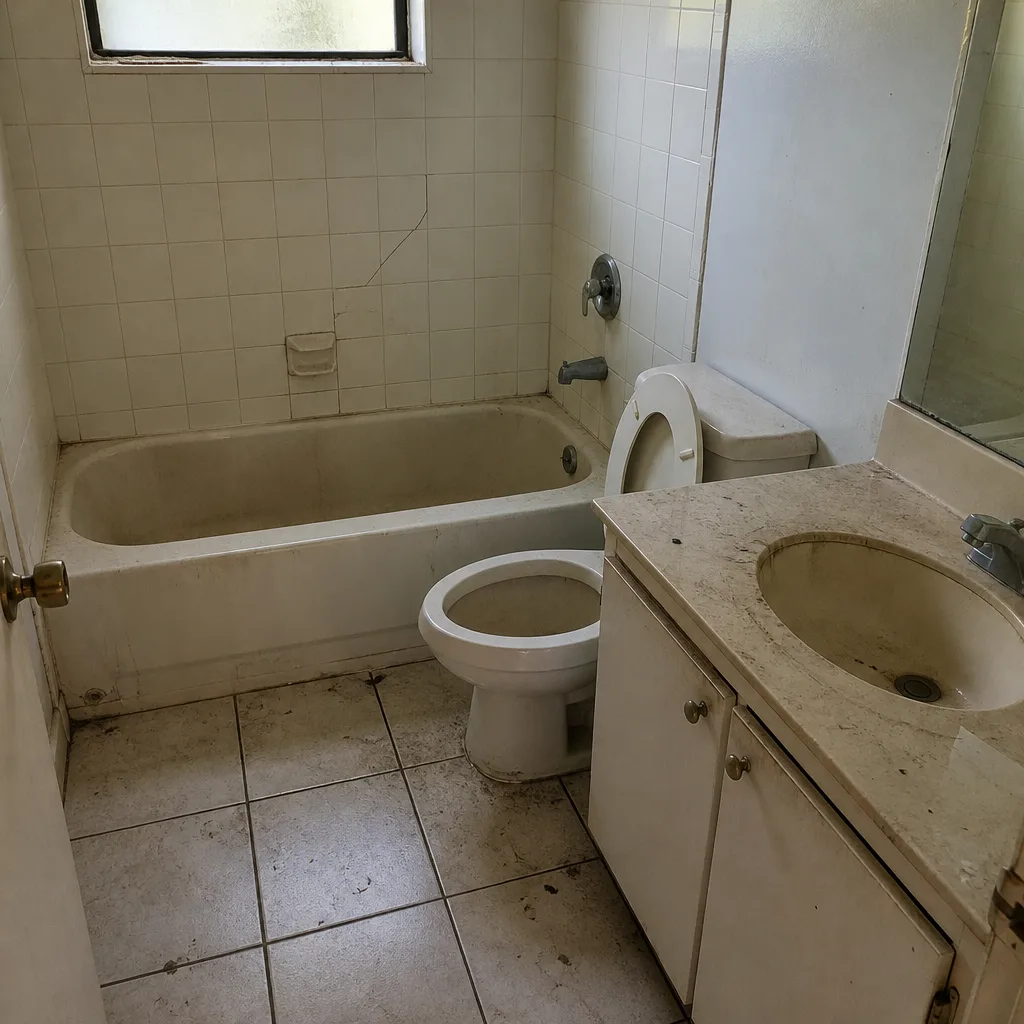 Before
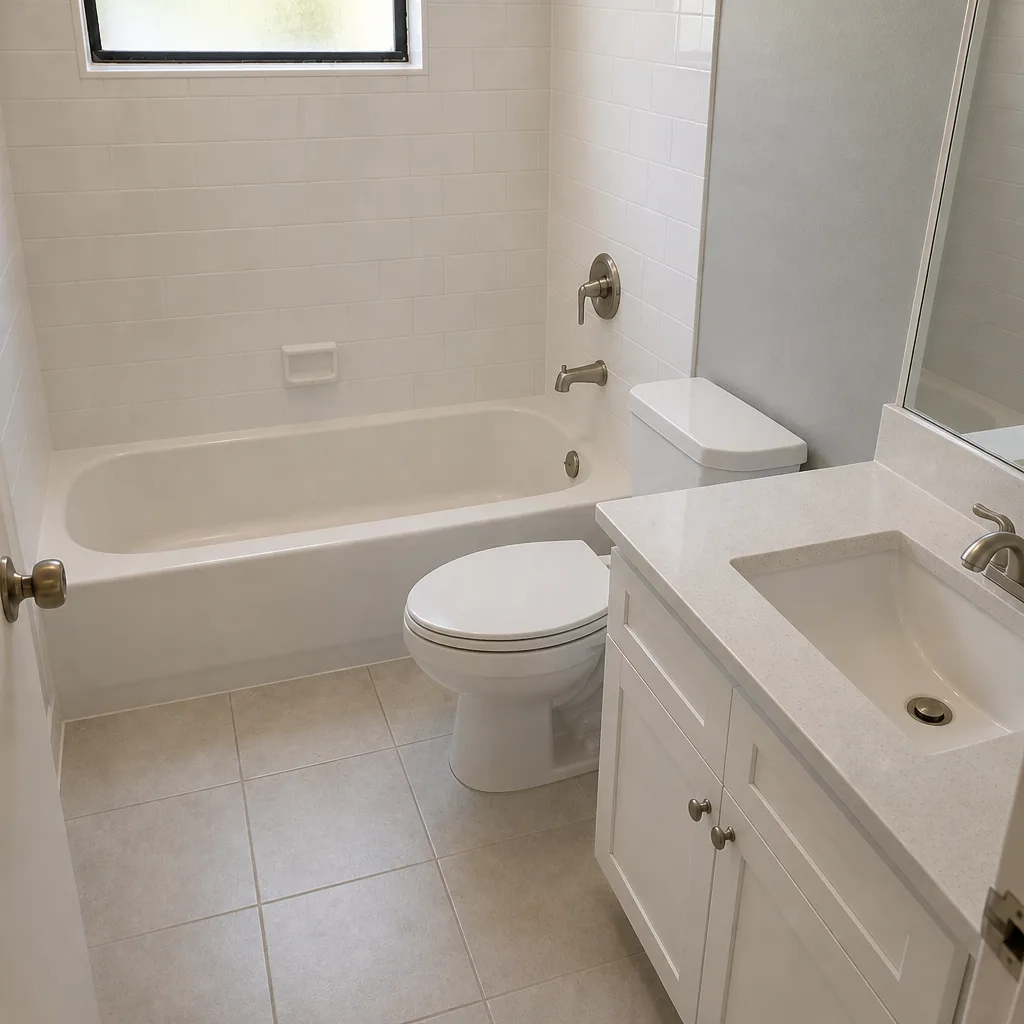 After
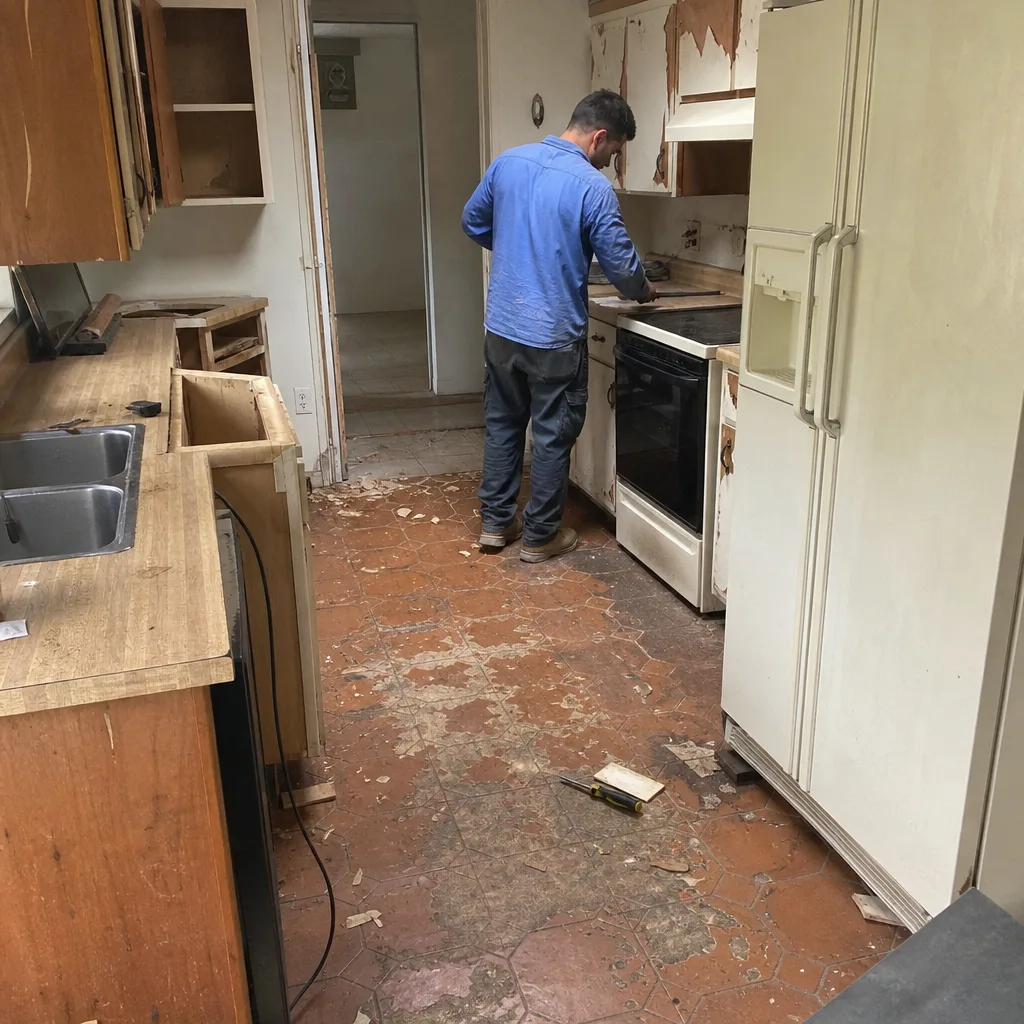 Before
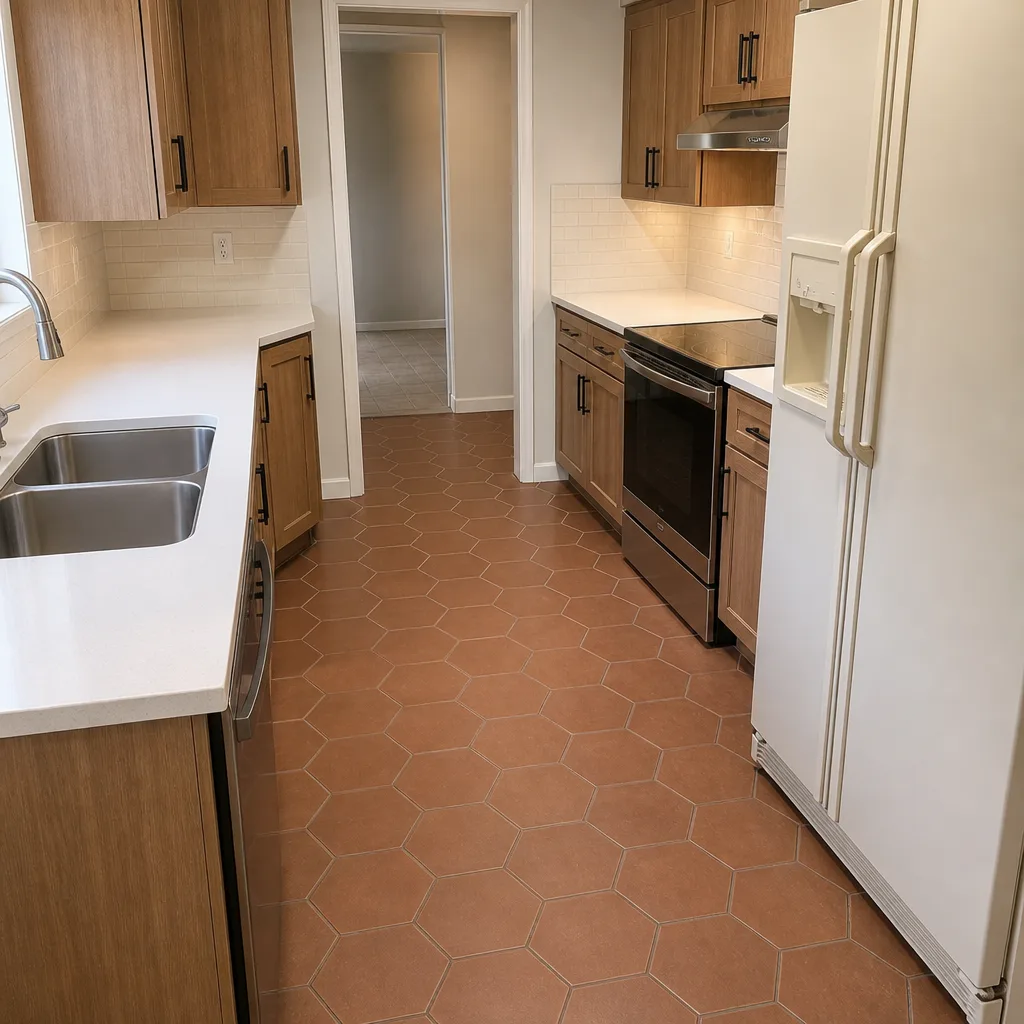 After
When to Call a Professional
Call a professional when your driveway has visible movement, joints that keep washing out, or standing water after rain. Those are signs the base or drainage is failing, and no amount of re-sanding will fix a structural problem. Call before a smaller issue becomes a full rebuild. If you’re planning a new driveway or replacing an old one, the planning stage is the right time to involve a contractor, because base depth and drainage are decided in design, not after materials arrive. And if your project stretches to other exterior work, the breadth of a single contractor relationship is worth a lot. The Hammocks Construction offers free estimates in The Hammocks – call (844) 797-9354. We answer 24/7. Fast dispatch from 7am to 7pm, Sunday through Friday.
Frequently Asked Questions
The cost depends on driveway size, material, base conditions, and drainage work, so we price every job with a written line-item estimate after a site visit. Concrete pavers sit at the lower end of the range, travertine in the middle, and porcelain at the top. The written estimate sets the final price. Call (844) 797-9354 for an exact quote – estimates are free.
Deeper than the four-inch figure most national guides cite, because clay soil and a high water table demand more structural support than a drier climate. The exact depth depends on your soil and traffic, and it’s confirmed during a site inspection. Ask any contractor what depth and compaction they plan, and get it in writing.
No. We provide a fixed written estimate with line-item pricing before work begins, and the number you agree to is the number you pay. If the site inspection reveals something that changes scope, you hear about it before anyone starts digging, not after. Call (844) 797-9354 for an exact quote – estimates are free.
Yes. A full driveway replacement generally requires permitting through Miami-Dade County, plus HOA approval in many The Hammocks communities, and we handle the applications and the inspections that follow. A repair or reseal typically doesn’t need a permit. Call (844) 797-9354 to talk through what your project requires.
A typical residential driveway in The Hammocks runs several days to a couple of weeks once work begins, with permitting ahead of the start date. Size, drainage work, and any subgrade conditions found during excavation all affect the timeline. We give you a realistic schedule in the estimate, not an optimistic one.
Polymeric sand, and specifically a grade rated for heavy rain and driveway traffic. Traditional loose sand washes out under Miami-Dade rainfall intensity, opening joints to water and weeds, and that leads to pavers that move. It costs a little more up front and saves a lot later. Call (844) 797-9354 for an exact quote on a joint repair or a new install – estimates are free.
The Bottom Line
Your driveway in The Hammocks needs to be designed for this specific ground: clay-heavy soil, a high water table, intense UV, and heavy rain. Base depth and compaction come first. Drainage slope comes second. Material choice comes third, and the right answer there depends on your traffic, your budget, and how long you plan to stay. Permits and proper polymeric jointing aren’t optional extras; they’re what separates a driveway that lasts from one that starts moving after the first wet season. Choose your material, we’ll handle the rest, from the first site inspection to the final inspection pass.
Ready to talk through your driveway project? Call (844) 797-9354. We answer 24/7. Fast dispatch from 7am to 7pm, Sunday through Friday. Estimates are free, and every quote is written line by line so you know exactly what you’re getting.
Written by the team at The Hammocks Construction.