Last updated November 17, 2026

Free written scope consultation - allowances, timeline, and change-order rules on paper before a single trade is scheduled
Construction Permits, Codes & Inspections in The Hammocks, FL: What You Need to Know
You can hold a stamped Miami-Dade permit and still be legally stopped from breaking ground in The Hammocks. The reason trips up more homeowners than any code question: the HOA’s architectural approval is a separate contract obligation, and it runs on its own calendar no matter what the county has already signed off on. Treat that review like a formality and you can end up with approved drawings the community won’t let you build. This guide walks through the three approval layers that touch almost every project here – Miami-Dade permitting, Florida Building Code requirements for the High Velocity Hurricane Zone, and HOA architectural review – and shows you the order that keeps a project moving instead of sending it back to the drawing board.
Quick Answer
Construction in The Hammocks generally needs a Miami-Dade County building permit for any structural, electrical, plumbing, or mechanical work, and those permits are reviewed against Florida Building Code requirements for the High Velocity Hurricane Zone (HVHZ), which applies across Miami-Dade with no small-job exception. Most communities in The Hammocks also require separate HOA architectural approval before work begins, so the safe sequence is HOA submission alongside county permitting, not after it.
Styles & brands we work with
- Kitchen remodeling
- Bathroom remodeling
- Home additions & ADU
- Roofing
- Windows & doors
- Driveway & pavers
- Fence
Table of Contents
- The Three-Layer Approval Stack in The Hammocks
- The Correct Order: HOA Review and County Permits
- HVHZ Requirements That Apply to Every Permitted Project
- How to Read a Notice of Commencement
- Common Inspection Failure Points and How to Prepare
- What Unpermitted Work Does to Resale in Miami-Dade
- What Permitting Typically Costs in The Hammocks
- Common Mistakes to Avoid
The Three-Layer Approval Stack in The Hammocks
Almost every stalled project we see in The Hammocks has the same root cause: the homeowner treated three separate approvals as one. They aren’t. Each layer answers to a different authority, reviews different drawings, and can say no for reasons the other two don’t care about.
Layer one is the Miami-Dade County building department. This is where the permit is issued and where inspections happen. Reviewers care about structural calculations, product approvals, and whether the work meets the Florida Building Code as adopted locally.
Layer two is the HVHZ portion of that code. Miami-Dade sits in the High Velocity Hurricane Zone, which is the strictest wind standard in the state. A permit in The Hammocks isn’t reviewed against a general Florida standard and then adjusted – the HVHZ requirements are baked into the review from the start.
Layer three is the HOA. Communities across The Hammocks maintain architectural review committees with their own submission packets, color palettes, material lists, and meeting schedules. The county has no authority over these rules, and the HOA has no authority over the building code. They overlap only in that both must approve before work starts.
- County: structural safety, product approval, inspection sequence
- HVHZ: wind-load compliance for every permitted envelope and attachment
- HOA: aesthetics, materials, setbacks from lot lines, and community standards
The mistake is assuming a county approval satisfies the HOA, or that an HOA approval means the county won’t have questions. Neither is true. When one layer is skipped, the other doesn’t backfill it. That’s the part that catches homeowners off guard in The Hammocks.
The Correct Order: HOA Review and County Permits
The order that saves time and money is HOA architectural submission first, or at minimum in parallel with the county permitting process. Here’s why: the HOA controls appearance and materials, and its review can require changes to what you’re installing. If you file county permits with plans for a specific roof color, fence style, or window configuration and the HOA later objects, you’re paying for revised drawings and a resubmittal.
Walk through the sequence this way:
- Read the community’s architectural guidelines. Every HOA in The Hammocks publishes or provides a packet covering approved materials, colors, fence heights, and submission forms. Get it before you sketch anything.
- Prepare the HOA submission package. This typically includes a site plan, elevation drawings, product specifications, and color samples. Some communities ask for contractor information and a signed acknowledgment of the rules.
- File the county permit application in parallel. There’s no reason to wait for the HOA to finish before starting county review, as long as you understand the drawings may need to reflect HOA feedback.
- Track both clocks. HOA review often runs on a monthly meeting schedule, which means missing one submission date can cost a month. County review runs on its own queue. Neither is fast, and neither cares about the other’s timeline.
- Get both approvals in writing before mobilization. No material deliveries, no demolition, no staging until the HOA approval letter and the county permit are both in hand.
Reversing that order is where the costly redesigns come from. A county permit issued for a fence at a height the HOA won’t approve is still a permit – it just doesn’t help you. And an HOA approval for a roof color the county product approval doesn’t cover under HVHZ is equally useless. The two approvals have to line up before the first day of work.
HVHZ Requirements That Apply to Every Permitted Project
Miami-Dade County is inside the High Velocity Hurricane Zone, and that designation applies to the entire county, including The Hammocks. There is no small-job carve-out under HVHZ. A permitted project is a permitted project, whether it’s a full roof replacement or a single door swap, and it’s reviewed against the same wind-load and product-approval standard.
What that means in practice for common The Hammocks projects:
- Roofing: Every roofing material, underlayment, and fastening pattern must hold a Miami-Dade product approval covering the specific assembly. Material relationships with manufacturers like GAF, CertainTeed, and Owens Corning matter here, because the approval runs to the exact system, not a generic shingle.
- Windows and doors: Replacement units must carry HVHZ product approval, and the installation method – anchoring, flashing, sealant – is part of what gets inspected. A window that meets the standard but is installed off-spec fails.
- Attachments: Fences, screen enclosures, carports, and anything else anchored to the ground or the structure is reviewed for wind resistance. A fence post isn’t exempt because it’s a fence post.
- Additions and ADUs: Structural plans go through wind-load calculation, and the connection between new and existing structure is scrutinized. If you’re weighing site-built versus a home additions & ADU using a prefab or modular system, note that prefab units still need local permitting and HVHZ-appropriate anchoring for this county.
One practical detail: product approvals are listed by manufacturer and specification number. Substituting a material mid-project for something cheaper but unapproved forces a resubmittal and stops the job. We work with what’s specified on the approved drawings, which is why the written line-item estimate names the actual products – Moen fixtures, Blanco sinks, GAF roofing – rather than a generic category.
How to Read a Notice of Commencement
The Notice of Commencement is a document recorded with the county that formally starts the clock on a permitted job, and it’s one of the few pieces of paperwork that protects the homeowner more than anyone else. Florida law requires it for permitted improvements above a certain value, and it gets recorded before the first inspection.
Here’s what matters on the form:
- Property description and legal owner. The name and address must match the deed, not a nickname or a mailing alias.
- General contractor and surety information. The contractor’s name and license details are listed, along with bonding information where it applies.
- Lender information. If you’re financing the project, the lender is named. That’s how the county and any future title search know who has an interest.
- The expiration date. The Notice carries an expiration, typically one year unless extended. If the project runs longer, the notice must be extended or amended.
Why this protects you: recording the Notice of Commencement sets the rules for mechanics’ liens. It starts the window in which subcontractors and suppliers must notify you of their involvement, which limits your exposure if someone down the payment chain goes unpaid. Without it, a lien claim can surface later that you had no notice of. It protects you from claims by parties you never directly hired, not just the contractor you did.
When the job is done, request a Notice of Termination and have it recorded. That closes the lien window and clears the record before a sale or refinance. In The Hammocks, where homes change hands and refinance regularly, that final step is worth scheduling before the last inspection, not after.
Common Inspection Failure Points and How to Prepare
Most failed inspections in The Hammocks aren’t structural failures. They’re preparation failures – the site wasn’t ready, the paperwork wasn’t on hand, or one small detail got skipped because it looked minor. Here’s what tends to go wrong, and how to avoid it.
- Approved plans not on site. Inspectors need the stamped set available. If the drawings are in a truck or a folder somewhere else, the inspection can’t proceed. Post a set on site before the inspection is called.
- Missing product approval documentation. For roofing and window work, the inspector needs to see that the installed product and the screws or clips used carry the correct approval numbers. Keep the documentation with the permit packet.
- Site access blocked. Debris piles, parked vehicles, and locked gates stop inspections. Clear a path to the work area and confirm the gate code is on file with the county if the community requires it.
- Incomplete work at a staged inspection. Inspections happen at stages – framing, rough-in, final. Calling for one before the stage is complete wastes a trip and adds days to the schedule. Verify the stage is done, not nearly done.
- Notice of Commencement not recorded. Inspectors check for it. If it wasn’t recorded before the work began, the inspection can be held up.
- Flashing and sealant shortcuts. These are the details most often corrected on roofing and window inspections. They aren’t cosmetic; under HVHZ, they’re part of the wind-resistance system. The Hammocks Construction builds these to the manufacturer’s spec, because a manufacturer’s warranty depends on the installation matching their published method.
Preparing the site is a coordination job, not a technical one. Every stage should have the drawings, the product docs, the access, and the completed work before the call goes in.
What Unpermitted Work Does to Resale in Miami-Dade
Unpermitted work in Miami-Dade County doesn’t just hang over a sale. It can stop one. When buyers and their agents run title and permit searches, unpermitted additions, remodels, and even fence installations show up as a problem to resolve – either by retroactive permitting with inspections, or by removal.
Specifically, here’s what it costs when it surfaces:
- Title and closing. Lenders often won’t fund a mortgage on a property with unpermitted structural work or an unpermitted addition. That means the sale fails unless the work is permitted or corrected first.
- Retroactive permitting. Catching up an unpermitted project can mean opening walls to verify structure, pulling new plans, and paying permit fees plus inspection costs. Sometimes the existing work can’t be brought into compliance and has to be removed.
- Insurance. Insurers look at permitted roof and envelope work when writing and renewing policies. Unpermitted roofing or window work can affect coverage or a claim later. Florida insurance carriers are careful about what they cover, and the county record is what they check.
- Disclosure. Florida’s disclosure rules mean unpermitted work has to be disclosed in a sale. Buyers negotiate hard against it – it’s leverage, and it’s fair leverage.
- HOA violations. Unpermitted work that also skipped HOA review sits on top of a second problem. The community can require corrections independently of the county.
Getting the permit up front is cheaper than any of those outcomes, and it means a roof or addition is documented when the home is appraised, insured, or sold. In The Hammocks, where additions and outdoor improvements are a common part of the housing stock, that record matters.
What Permitting Typically Costs in The Hammocks
Permit fees in Miami-Dade are charged by the county and typically scale with the project’s declared value, so a full roof replacement, an addition, or a kitchen remodel each carries a different fee. The numbers below are typical ranges for The Hammocks, not quotes. The written estimate and the county’s actual fee schedule set the final figure.
| Project Type | Typical Permit Fee Range | Notes |
|---|---|---|
| Residential fence | $150 – $400 | Plus HOA review; height and material rules vary by community |
| Driveway pavers / hardscape | $200 – $600 | Includes grading and drainage review |
| Roof replacement | $400 – $900 | HVHZ product approval required on every assembly |
| Window / door replacement | $300 – $800 | Number and size of units affects the fee |
| Bathroom or kitchen remodel | $400 – $1,200 | Trade permits (electrical, plumbing) may add to total |
| Addition or ADU | $1,500 – $5,000+ | Scales with square footage and structural scope |
Two costs often sit outside the permit fee and surprise homeowners: HOA submission fees, which some communities charge for architectural review, and any plan revisions required by a reviewer. Those are why we build the estimate as a line-item document with the permit and review costs named separately. There’s no change order language – the written estimate sets the price, and the county fee schedule fills in the rest.
Common Mistakes to Avoid
- Treating HOA review as a formality. It’s a contract obligation that runs separately from the county, and it can force a redesign the county won’t require. File early and read the community packet before you choose materials.
- Filing county permits with materials the HOA won’t allow. Roof colors, fence styles, and window configurations are all subject to architectural review. Confirm the allowed list first, then draw the plans.
- Assuming a small job skips HVHZ. It doesn’t. Every permitted project in The Hammocks goes through HVHZ review, including a single door.
- Recording the Notice of Commencement after work starts. It needs to be recorded before the first inspection, and it protects you from lien claims you didn’t know about.
- Calling inspections before the stage is done. A failed inspection costs a day or more on the schedule. Confirm the stage, the docs, and the site access before the call goes in.
- Letting a contractor work without pulling permits to save time. Unpermitted work becomes a title, insurance, and disclosure problem later. The savings don’t survive a sale.
- Skipping the Notice of Termination at the end. It closes the lien window and clears the record before a refinance or sale.
When to Call a Professional
Some questions belong to the county, and some belong to a contractor who has managed projects in The Hammocks. If your project touches structure, roofing, windows, electrical, plumbing, or anything anchored to the ground, it needs a permit, and the drawings need to meet HVHZ requirements. If your community has an architectural review process – and most in The Hammocks do – the submission needs to line up with those guidelines. And if you’ve got unpermitted work on the property, or a sale in the near future, the time to sort it out is before someone else starts asking for the documents.
We handle permitting, inspections, and HOA coordination as part of the project, not as an add-on, and we work across the full scope from exterior projects to interior remodels. If you’re planning driveway & pavers work, a fence installation, an addition, a roof, or a kitchen, we can walk through what you need. The Hammocks Construction offers free estimates in The Hammocks – call (844) 797-9354 to schedule yours.
See the difference
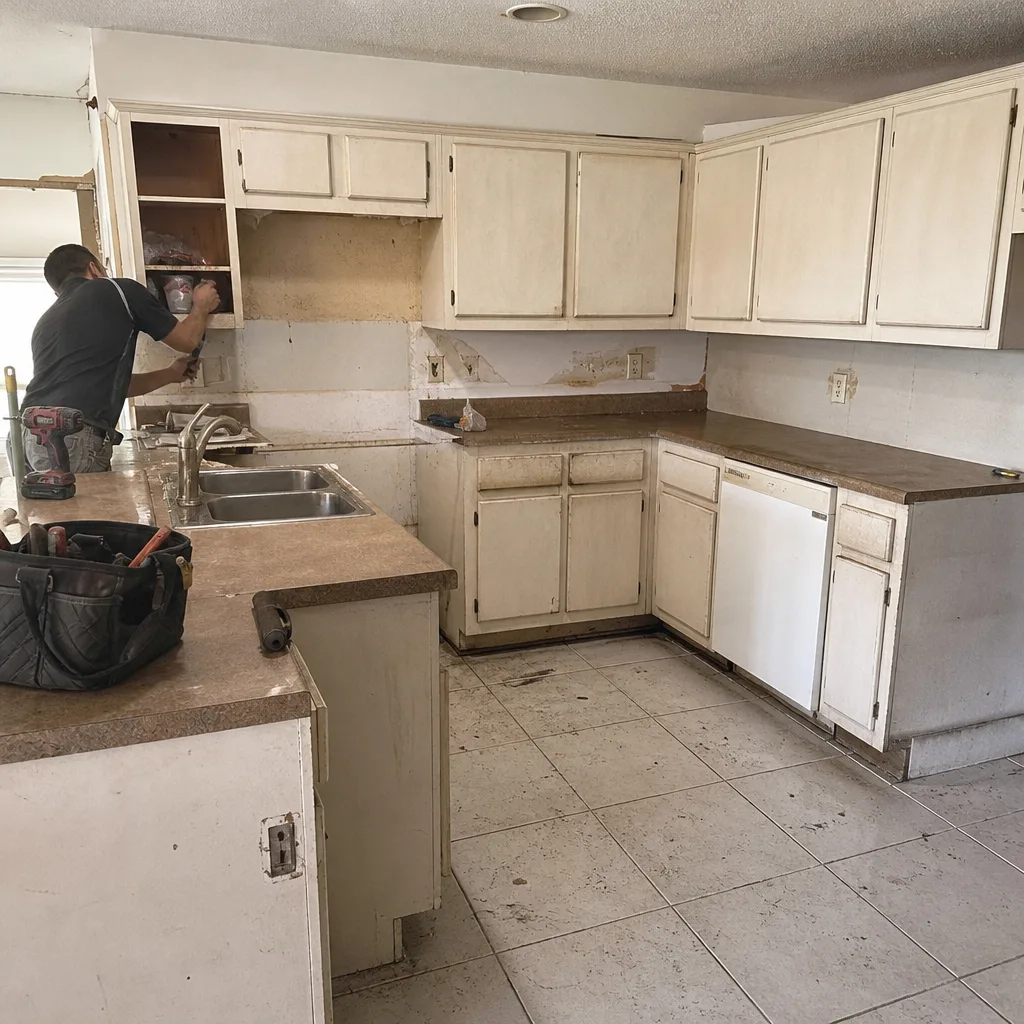 Before
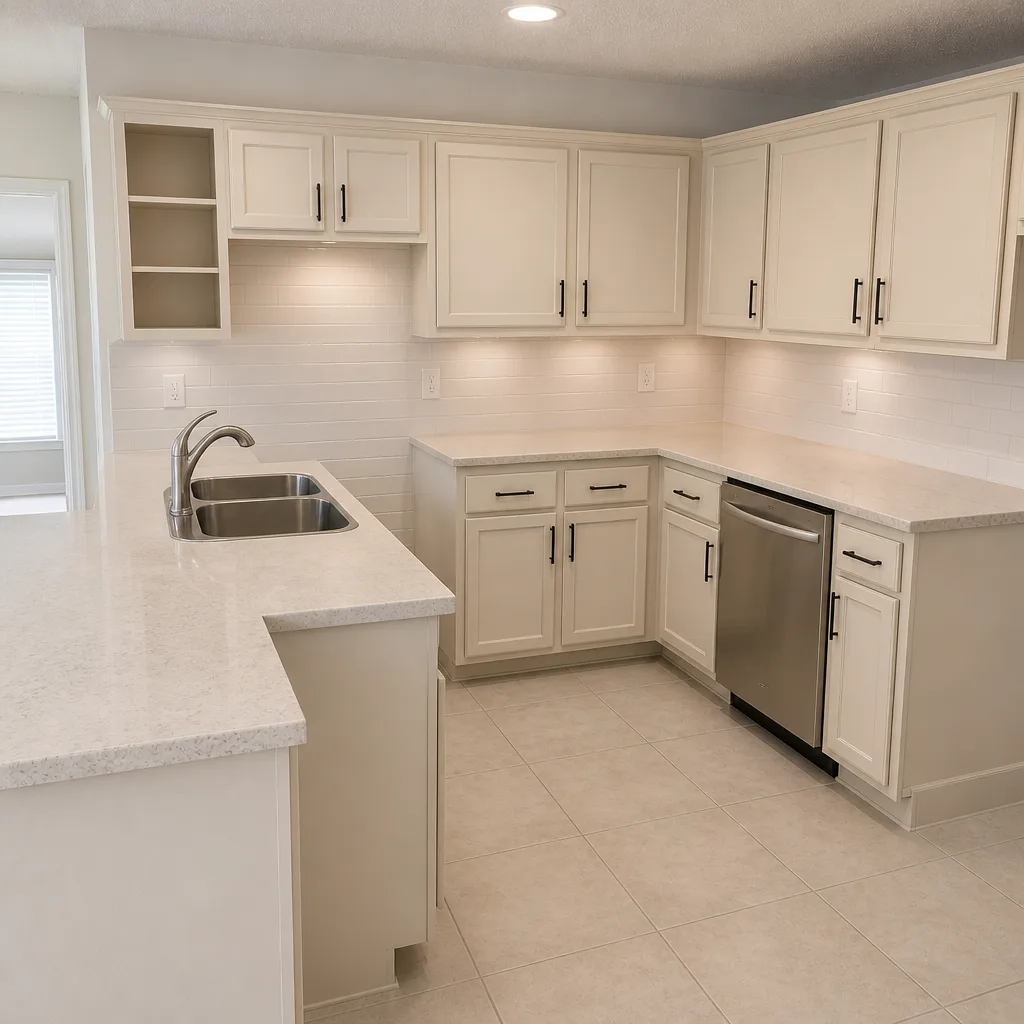 After
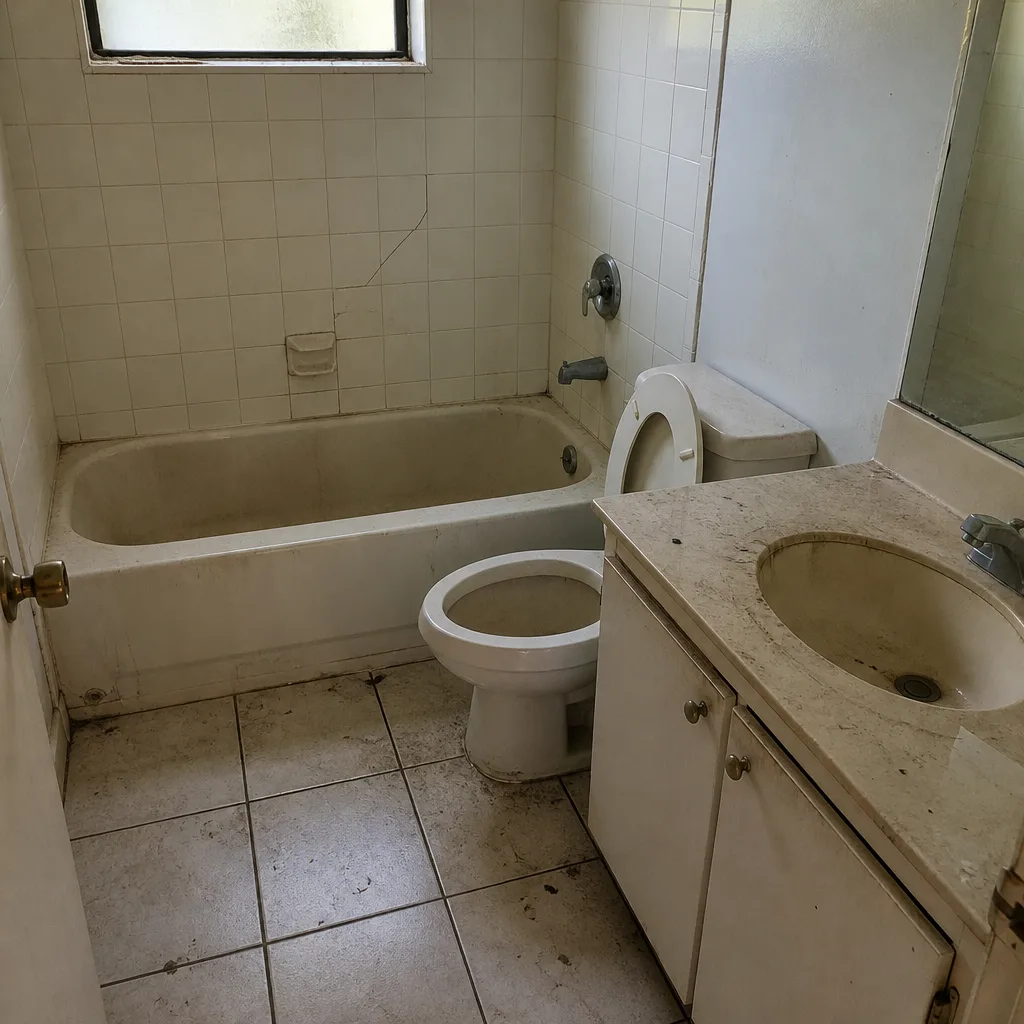 Before
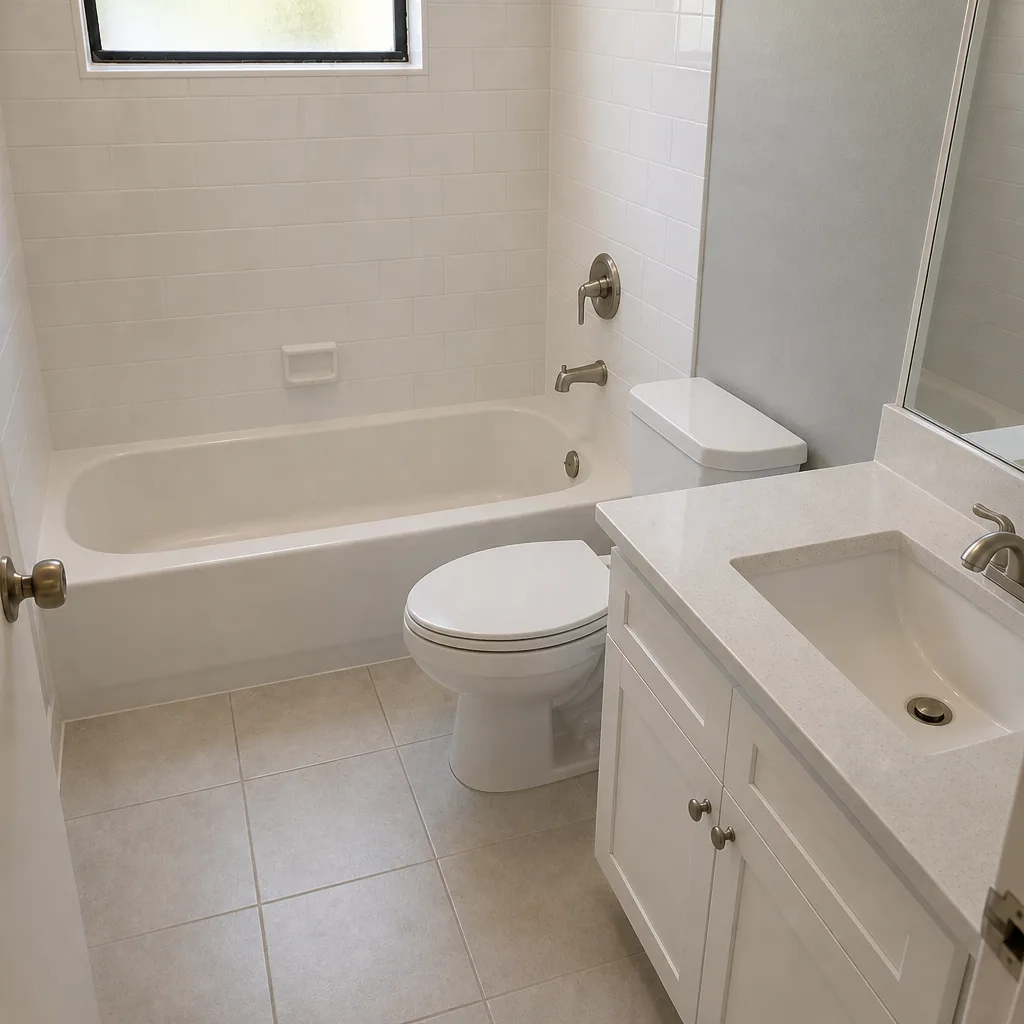 After
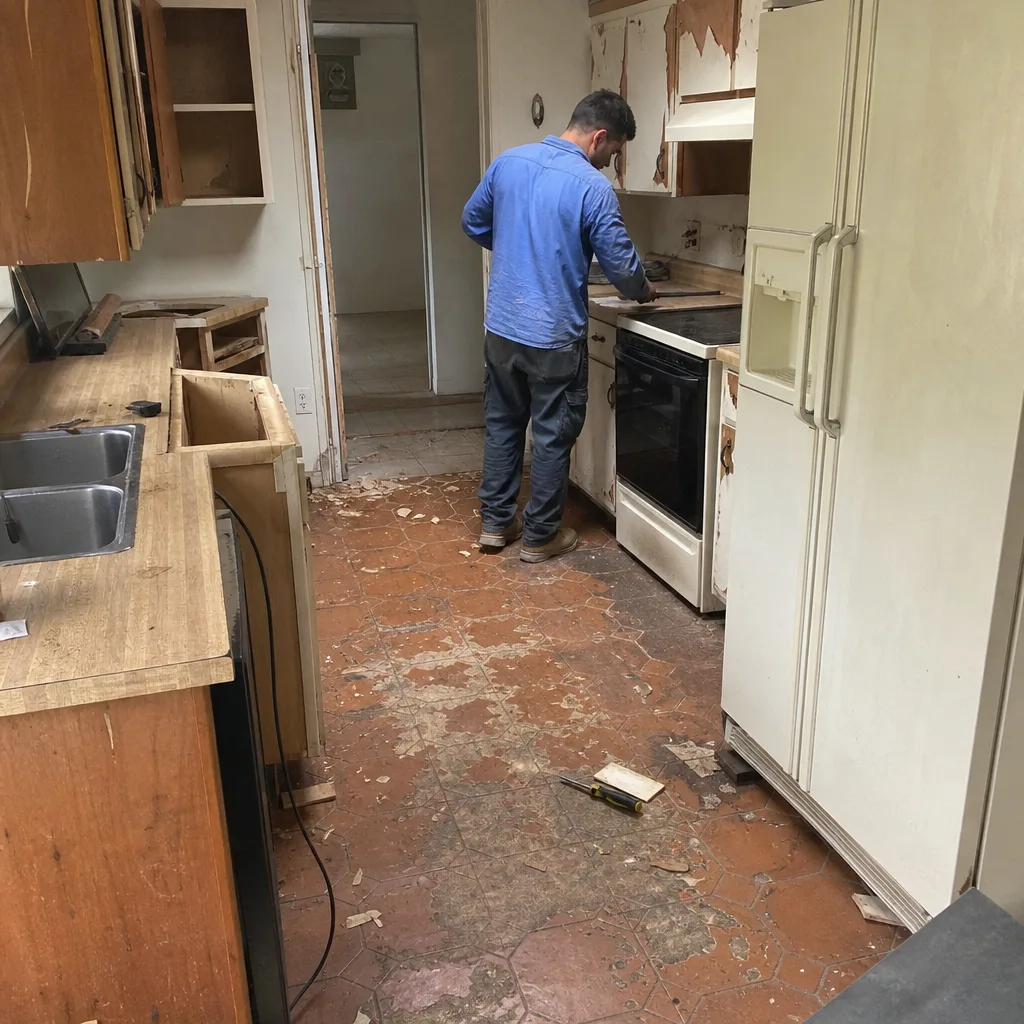 Before
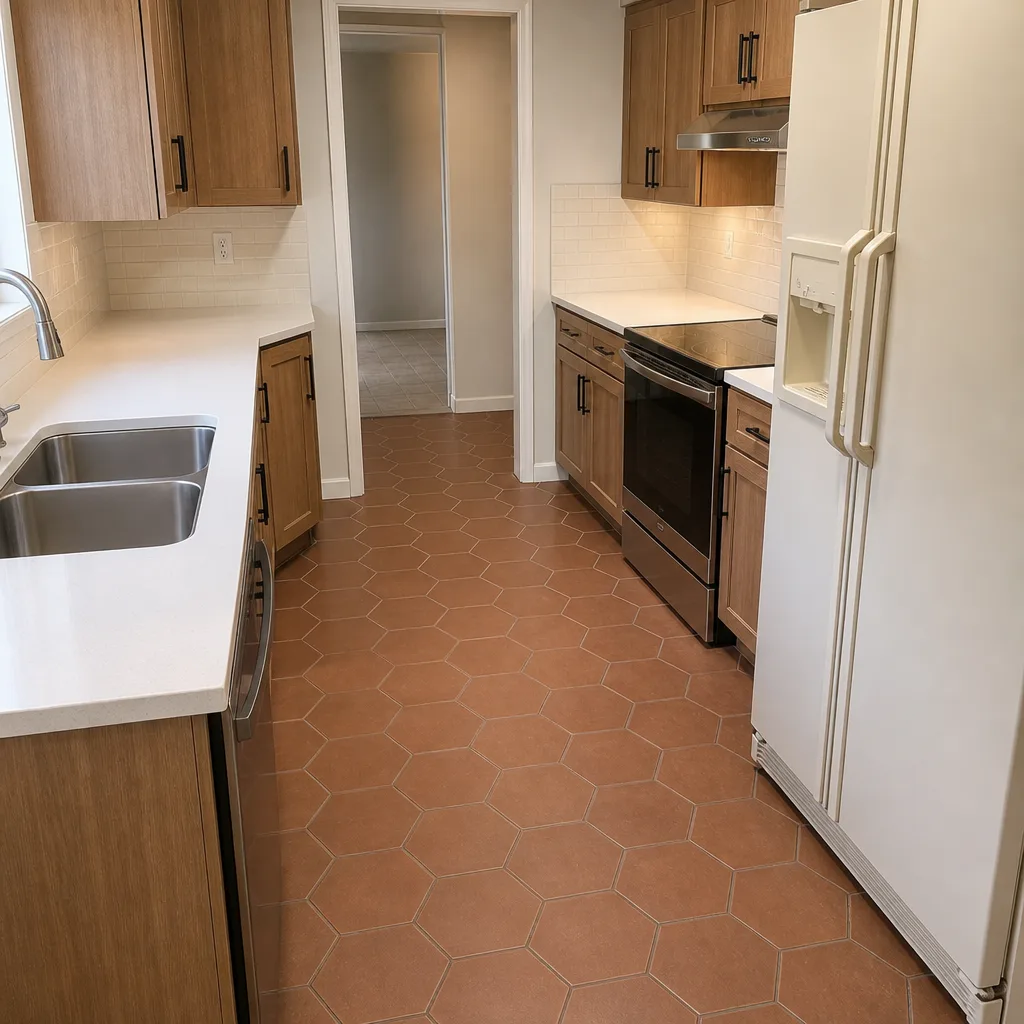 After
Frequently Asked Questions
Yes. Fences are permitted improvements in Miami-Dade County, reviewed for wind resistance under HVHZ requirements, and most communities in The Hammocks also require HOA architectural approval for height, material, and placement. The HOA rules often go further than the county on appearance, so check both before ordering materials. Call (844) 797-9354 for a free estimate and we’ll walk through the requirements for your property.
Start the HOA architectural submission first or run it in parallel with the county permit application – never after. The HOA can require material and appearance changes that alter the drawings, and filing county plans without knowing those rules means paying for revisions. Get both approvals in writing before any work starts. Call (844) 797-9354 to schedule a free estimate and mapping of your project sequence.
Yes. Miami-Dade County is entirely within the High Velocity Hurricane Zone, and there’s no small-job exception – any permitted project is reviewed against HVHZ wind-load and product-approval requirements. That includes a single window replacement, a new roof, or a screen enclosure. Call (844) 797-9354 for a free estimate that names the products and confirms the approvals.
Unpermitted work can stop a sale, because lenders often won’t fund a mortgage on a property with unpermitted structural work, and Florida’s disclosure rules require you to disclose it. The buyer can negotiate against it or require it be corrected, and retroactive permitting can mean opening walls and paying new fees. Call (844) 797-9354 for a free estimate on getting the work permitted and inspected.
Miami-Dade permit review timelines depend on the project scope and completeness of the submittal, and HOA review often follows a scheduled meeting calendar – which means a missed submission date can add a month. Filing complete, HVHZ-compliant drawings and getting HOA submission in early are the two biggest levers on the timeline. Call (844) 797-9354 for a free estimate and we’ll help you plan around both.
Either the contractor or the homeowner can be the permit holder, but the contractor who is doing the work should be the one pulling it – it keeps responsibility and inspections in one place. If you’re managing multiple trades, confirm in writing who pulls each permit before work starts. The Hammocks Construction handles permitting and inspections as part of the project; call (844) 797-9354 for a free estimate.
The Bottom Line
Permitting in The Hammocks isn’t one approval – it’s three, and they don’t talk to each other. County permitting, HVHZ code compliance, and HOA architectural review each have their own requirements and their own clock, and the order you handle them in decides whether the project moves or stalls. Start HOA submission early, file complete county plans, record the Notice of Commencement before the first inspection, and close it out with a Notice of Termination at the end. Do that and your project stays on schedule and your property stays clean for the next appraisal, refinance, or sale.
Get a Free Estimate
If you’d rather have someone who knows this approval stack walk through it with you, that’s what we do. From driveway & pavers and fence installation to home additions & ADU projects, we manage permitting, inspections, and HOA review as part of the job. Our technicians have up to 13 years of experience, and we work with names like Moen, Blanco, and GAF, so the products on the approved drawings are the products installed. Call The Hammocks Construction at (844) 797-9354 for a free estimate. We answer 24/7. Fast dispatch from 7am to 7pm, Sunday through Friday.
Written by the team at The Hammocks Construction.